

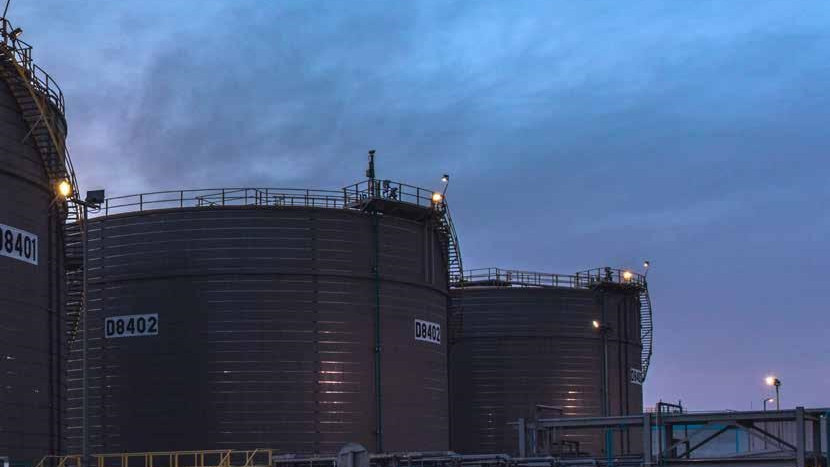
China, the world’s largest crude oil importer, has maintained substantial strategic and commercial oil reserves estimated at approximately 1.2 to 1.4 billion barrels. Following the eruption of the Iran conflict and subsequent disruptions to Middle Eastern oil flows, China deployed these reserves as a key market stabilization tool by significantly reducing its import demand during the spring and early summer months.
China’s crude oil imports fell to decade-low levels in June, declining by approximately 4.4 million barrels per day compared to 2025 average levels. This reduction coincided with high international oil prices and constrained global supply. By drawing from its reserves during this period, China effectively offset lost supply from the Middle East, helping to moderate crude oil prices that had spiked above $100 per barrel. Over the course of several months, China withdrew significant quantities from its inventory to supplement its domestic refining needs while maintaining a reduced import posture.
Recent market dynamics have shifted this calculus. Oil prices moderated to approximately $80 per barrel in August, prompting Chinese buyers to increase procurement for October delivery. Current projections indicate Chinese crude imports in October could rebound to above 10 million barrels per day, the highest level since March. This increased purchasing activity reduces the urgency to tap strategic reserves, allowing China to preserve its remaining inventory cushion for potential future supply disruptions.
Looking forward, analysts anticipate Chinese imports will remain constrained during the fourth quarter, projecting levels of 9.2 to 9.3 million barrels per day—below the previous year’s 11.6 million barrel per day average. If oil prices sustain levels above $100 per barrel and Middle Eastern supply disruptions persist, China may resume drawing from its reserves and further reduce imports. Such action would provide relief to global markets experiencing inventory depletion and elevated fuel prices, though independent Chinese refiners continue facing challenges in sourcing cheaper crude alternatives given the near-disappearance of Iranian barrels from the market.
Article Attribution | Read More at Article Source
Article summary produced by Claude AI