

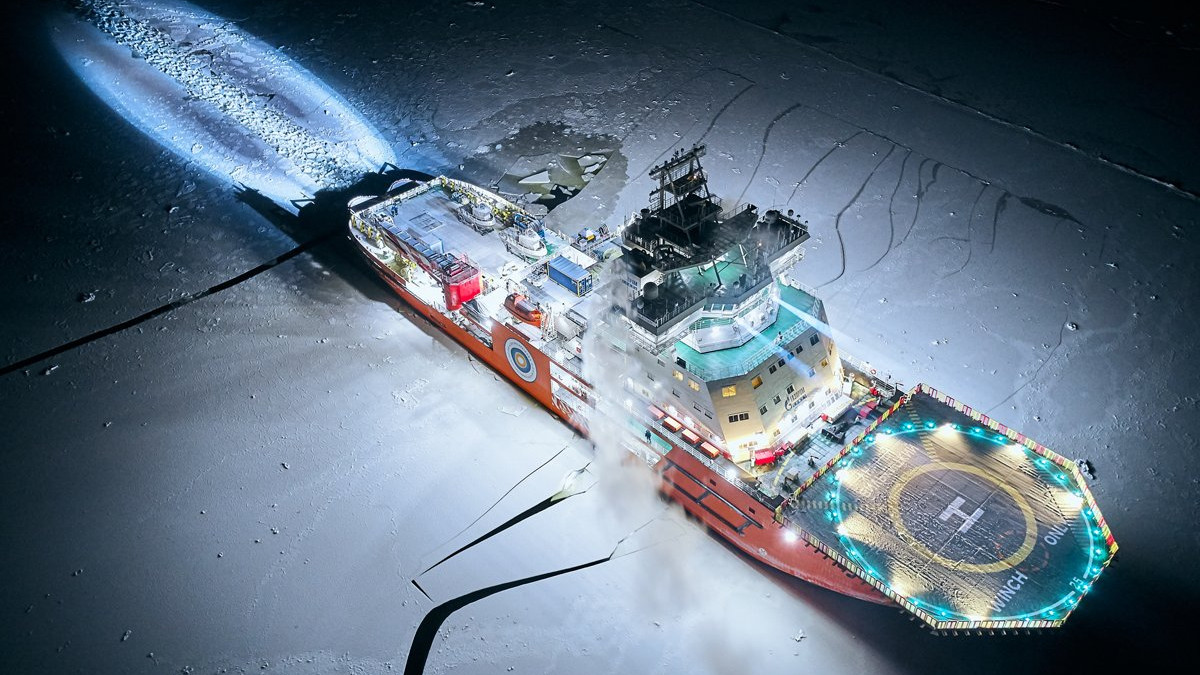
Russian energy exports to Asia are experiencing a significant shift as geopolitical tensions and maritime disruptions reshape global oil supply chains. The Northern Sea Route through the Arctic has become an increasingly viable alternative to traditional shipping corridors, with Russia expanding its use of this northern passage to reach key Asian markets. According to recent data, Russian oil exports via the Northern Sea Route during the current navigation season have climbed approximately 50% above the previous year’s levels. Between July and mid-October, when Arctic sea ice reaches its seasonal minimum, Russia shipped 20 million barrels to Asia. Industry analysts project an additional 5 to 10 million barrels will transit the route before the navigation window closes, compared with 13 million barrels during the previous season. The Arctic waterway presents both advantages and challenges for Russian exporters. While the route is roughly 3,000 kilometers shorter than passage through the Suez Canal and can reduce transit times to Asian markets by up to two weeks, it remains more expensive and hazardous to navigate. However, the route offers Russian operators a pathway that largely avoids Western inspections, port restrictions, and detention risks. This advantage has gained significance as traditional maritime chokepoints experience disruptions, including ongoing complications in the Strait of Hormuz and the Suez Canal region. Disruptions to conventional shipping routes have prompted Asian refiners to reassess their sourcing strategies. Elevated tanker freight rates—reaching record levels due to bottlenecks and delays—are influencing purchasing decisions, with some Asian buyers shifting toward smaller vessels and longer-term charter agreements. These cost pressures are also driving some refiners to explore alternative suppliers in the Middle East and Latin America. China and India represent Russia’s primary customers for Arctic-routed oil. Russia has announced plans to substantially expand its Northern Sea Route infrastructure, with officials indicating expectations that cargo volumes will double to 70 million tons annually by 2030. Long-term development initiatives include construction of additional icebreakers, ice-class vessels, and port facilities, backed by substantial government investment commitments.
Article Attribution | Read More at Article Source
Article summary produced by Claude AI