

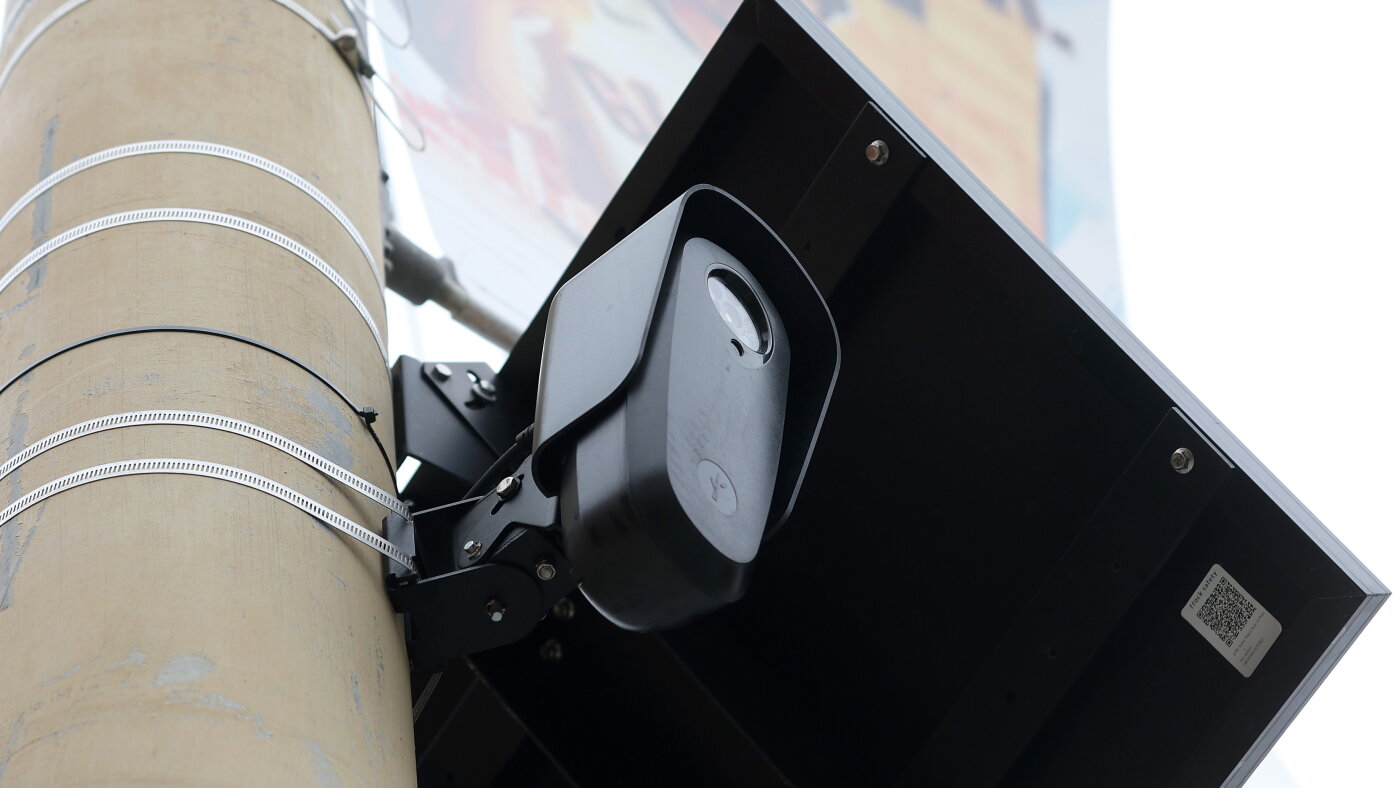
San Francisco has experienced a significant reduction in vehicle crime over the past four years, with car thefts declining by almost 59% and break-ins dropping more than 82% when comparing January through August 2026 to the same period in 2022, according to an analysis of police department crime data. Law enforcement officials have pointed to increased deployment of surveillance technology as a key factor in this improvement, particularly an automated license plate reader system developed by Flock Safety that uses artificial intelligence to identify vehicles and catalog them in searchable databases.
The city’s approach to crime reduction has involved multiple strategies working in concert. In 2023, the San Francisco Police Department increased patrols in areas known for vehicle break-ins and deployed undercover “bait cars” to apprehend organized car burglars. The turning point came in March 2024, when San Francisco voters approved Proposition E, which expanded the police department’s authority to deploy drones and high-tech surveillance cameras. That same month, the SFPD began installing Flock cameras at strategic locations throughout the city.
The Flock system operates by photographing passing vehicles and using AI software to scan license plates and identify vehicle characteristics such as make, color, body style, roof racks, and bumper stickers. This information is stored in a searchable database that allows investigators to track vehicle movements and locations. San Francisco District Attorney Brooke Jenkins highlighted a specific case in which Flock cameras identified a vehicle linked to a previous auto burglary, prompting officers to deploy a drone that recorded suspects in real time as they committed another theft, leading to arrests without necessitating a dangerous police pursuit.
However, Flock Safety has become increasingly controversial, with numerous cities and counties terminating or suspending contracts with the company due to reports of officer misuse of the technology. Despite this backlash, San Francisco officials have chosen to maintain their commitment to the system while pursuing stricter regulations on its use and proposing to make misuse of data a criminal offense. This approach could serve as a model for other municipalities attempting to balance crime reduction with constitutional protections, though empirical research on the broader effects of AI-powered license plate reader networks on crime rates remains limited.
Article Attribution | Read More at Article Source
Article summary produced by Claude AI