

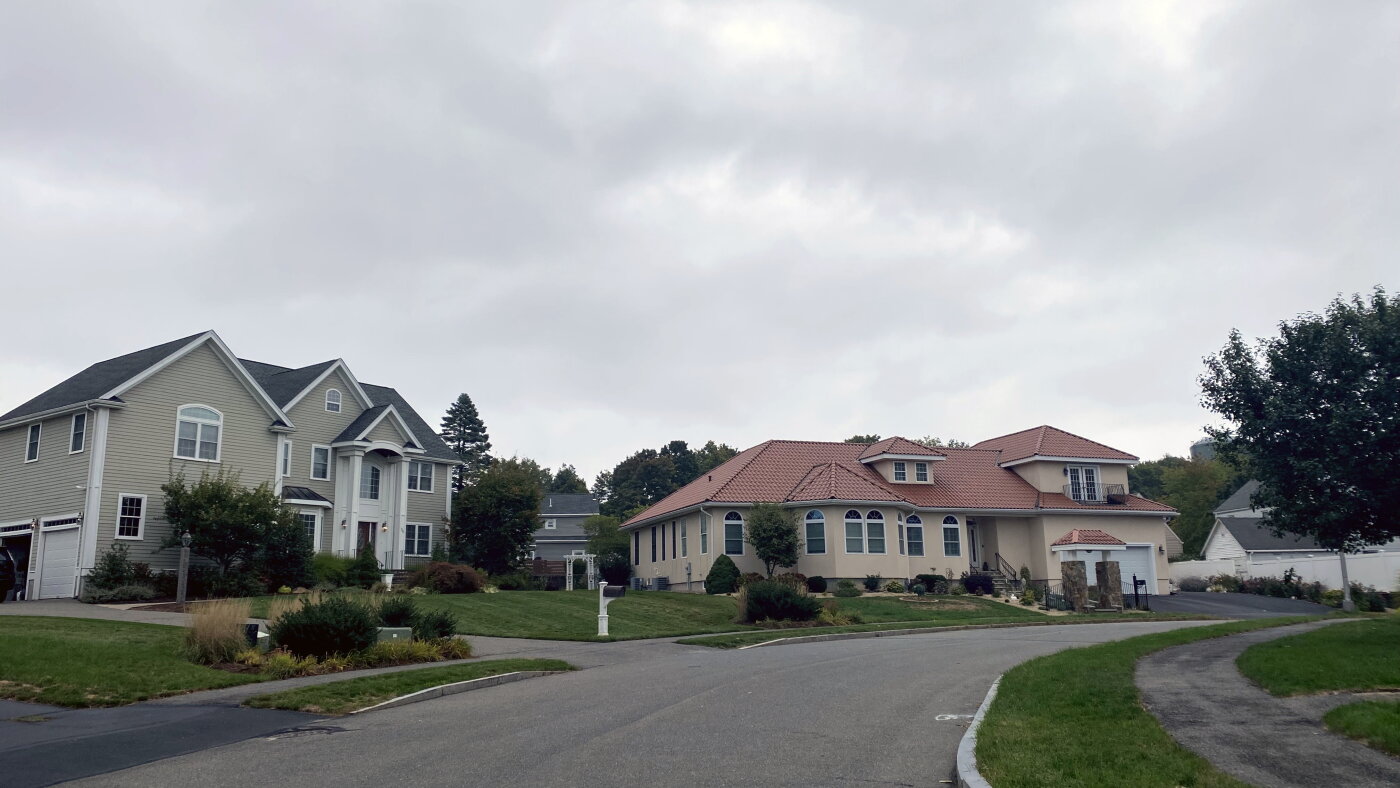
Massachusetts faces a significant housing affordability challenge, with residents struggling to purchase homes in one of the nation’s most expensive states. A ballot measure set for voter consideration would mandate that municipalities allow single-family homes on lots as small as 5,000 square feet, substantially smaller than many current zoning requirements that specify minimum lot sizes of one acre or more.
Proponents argue that the current zoning framework, largely established after World War II, artificially restricts housing supply and drives up prices. Housing economist Andrew Mikula noted that homes built a century ago with smaller footprints on modest lots would be illegal to construct under modern zoning rules. State data indicates that expensive housing is contributing to an exodus of working-age residents, including retail, service, and healthcare workers who cannot afford to live in the communities where they are employed. An estimated 400,000 young adults remain in their parents’ homes, according to advocates pushing the measure.
If approved, Massachusetts would join a growing number of states implementing statewide zoning mandates to address housing shortages. Supporters view the measure as one strategy among several recent state initiatives, including requirements for multifamily housing near transit stations and allowances for accessory dwelling units. They contend that increasing the supply of smaller, more affordable starter homes addresses an existential housing crisis affecting multiple generations.
Opponents express concerns about the loss of local control over zoning decisions and question whether the measure will genuinely produce affordable housing for first-time buyers. Select board members pointed to examples of newly renovated homes on smaller lots that still command premium prices well above typical starter home affordability, suggesting that lot size reduction alone may not solve the affordability problem. The measure does not apply to Boston, which maintains separate zoning authority.
Polling indicates broad public support for the proposal among Massachusetts voters, though debate continues over whether state-mandated zoning changes represent the most effective approach to the state’s housing shortage.
Article Attribution | Read More at Article Source
Article summary produced by Claude AI