

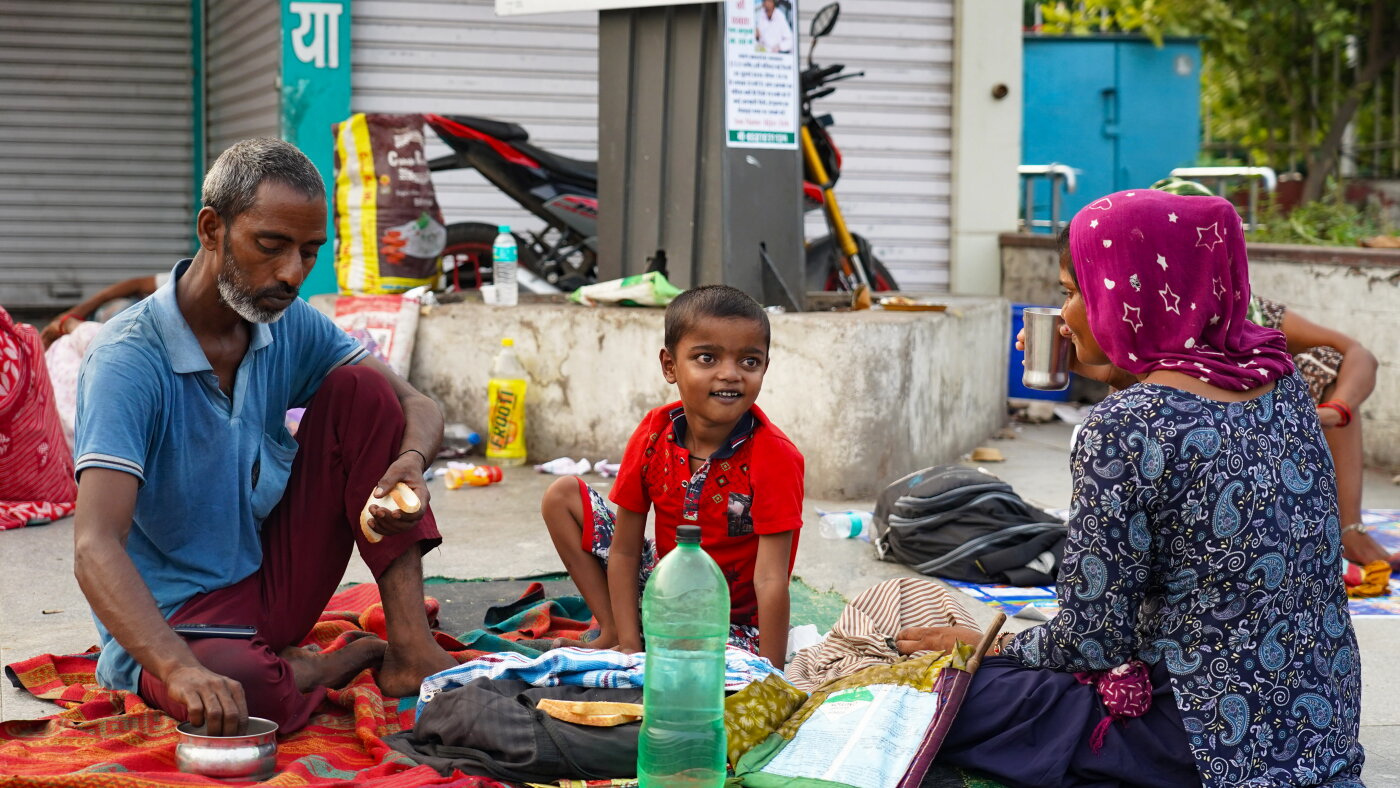
At prominent public hospitals in New Delhi, including the All India Institute of Medical Sciences and Safdarjung Hospital, dozens of families are sleeping on sidewalks and in public spaces while accompanying patients undergoing medical treatment. These families have traveled from across India, often hundreds of miles from their homes, to access specialized care that they could not afford in their home states.
The hospitals, while offering subsidized treatment for poor patients, do not provide housing solutions for the relatives and caregivers who must remain in Delhi during extended treatment periods. Families unable to afford local accommodation establish temporary dwellings on the pavement, using blankets and sheets, with some erecting mosquito nets tied to railings for protection. During daytime hours, family members rotate between their sleeping spots and the hospital for appointments, tests, and consultations, with one person typically staying behind to watch their belongings.
Among those documented were the Kumar family from Bihar, whose 6-year-old son is receiving leukemia treatment in the oncology ward. They have been managing sleep in shifts to ensure someone remains alert in case urgent medical updates arrive. Another case involved a 20-year-old woman seeking treatment for an intestinal illness that had persisted for five to six years. Some families had been living on the pavement for a week, while others had endured conditions for a month or longer.
Around the hospitals, an informal support system has emerged among the sidewalk dwellers. Women prepare meals using makeshift stoves, volunteers distribute food, and nearby shops sell medicines and supplies. Tea stalls operate around the clock, providing beverages and charging stations for mobile phones. Formerly unacquainted individuals now exchange information about medical providers, testing procedures, and sources for free or affordable meals.
AIMS’ website indicates that its Medical Social Service Unit provides financial assistance for medical treatment and travel costs for some out-of-town patients, and states that the unit helps arrange accommodations at dharamshalas and other low-cost facilities. However, the hospital did not respond to inquiries about whether it provides financial assistance specifically for lodging costs or addresses the population of sidewalk dwellers surrounding the facility.
Article Attribution | Read More at Article Source
Article summary produced by Claude AI