

According to an October report from the International Monetary Fund, escalating oil prices resulting from conflicts in the Middle East and Ukraine are exacerbating economic disparities globally. Developing nations that rely on imported fossil fuels have experienced the most severe consequences, while wealthier countries with diversified energy systems and artificial intelligence-driven economic growth have proven more resilient to war-related disruptions.
Elevated fuel and energy costs have cascading effects throughout poorer economies. Higher prices for oil, gas, and transportation increase the cost of essential goods including fertilizer and shipped merchandise. These inflationary pressures compress government revenues through slowed economic activity, making it harder for developing nations to secure international loans. When borrowing becomes necessary, these countries face steeper interest rates and riskier loan terms, deepening financial strain. The IMF projects that productivity and growth in the world’s poorest nations will decelerate through the early 2030s, with income gaps relative to advanced economies continuing to widen.
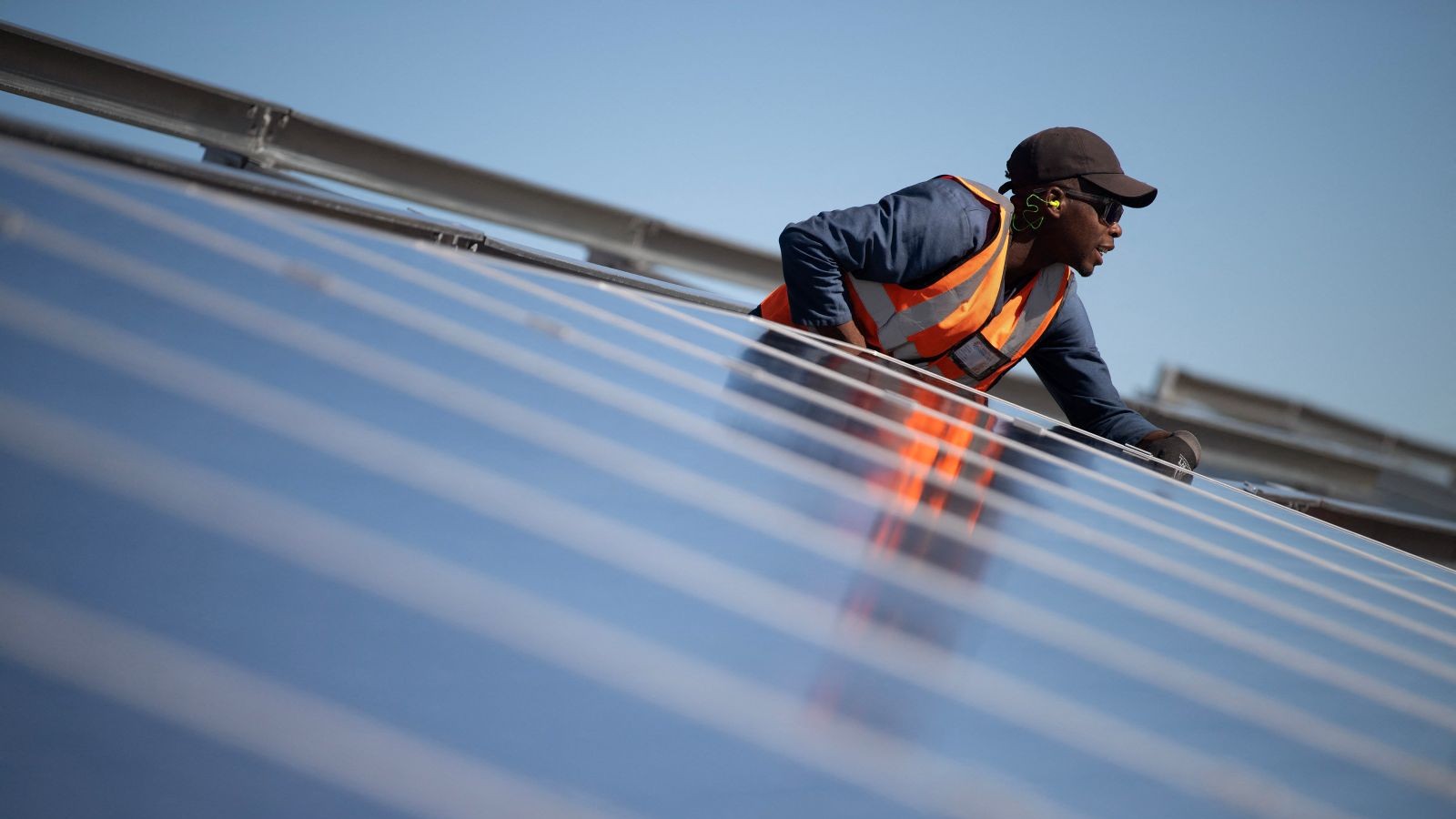
Despite these systemic challenges, residents of low-income countries are independently pursuing renewable energy solutions. Private adoption of electric motorcycles and mopeds has surged in countries like Vietnam, now comprising 28 percent of new two-wheel vehicle sales. Pakistan has seen rooftop solar installations effectively double the nation’s electricity capacity in the period leading up to recent conflicts, stabilizing prices during subsequent economic turbulence. Similarly, Nepal has achieved over 70 percent electric vehicle adoption rates, and Ethiopia has emerged as a global leader in EV deployment.
However, these grassroots transitions lack coordination and equitable distribution. Wealthier households installing private solar panels can bypass public grids, leaving poorer populations to bear grid maintenance costs. Rapid electric vehicle growth without corresponding infrastructure development strains power systems. Ethiopia maintains only 13 public charging stations despite high EV adoption, and both Ethiopia and Nepal face grid reliability challenges that threaten their transition efforts. Experts emphasize that systematic energy transitions require extensive planning and capital investment that developing country governments cannot independently afford.
International development institutions including the IMF and World Bank were established to finance critical infrastructure projects in developing nations. However, these organizations have faced persistent criticism for prioritizing debt repayment over local welfare. Recently, funding commitments have declined further, with the World Bank abandoning ambitious climate lending targets and major funding nations reducing infrastructure support for poor countries.
Article Attribution | Read More at Article Source
Article summary produced by Claude AI