

An October report from the International Monetary Fund indicates that recent geopolitical conflicts have exacerbated economic disparities globally. Poorer nations that depend on imported fossil fuels have experienced severe consequences from the war involving the United States and Israel against Iran, while wealthier countries with diversified energy systems and artificial intelligence-driven growth have weathered the shocks more effectively.
Escalating oil and gas prices resulting from Middle Eastern and Ukrainian conflicts have increased costs across multiple sectors, including fertilizer and shipping-dependent goods. These price increases disproportionately affect developing economies where populations and governments already face resource constraints. Higher fuel costs also complicate government finances by reducing tax revenues and making international borrowing more expensive, potentially pushing nations into cycles of debt with elevated interest rates.
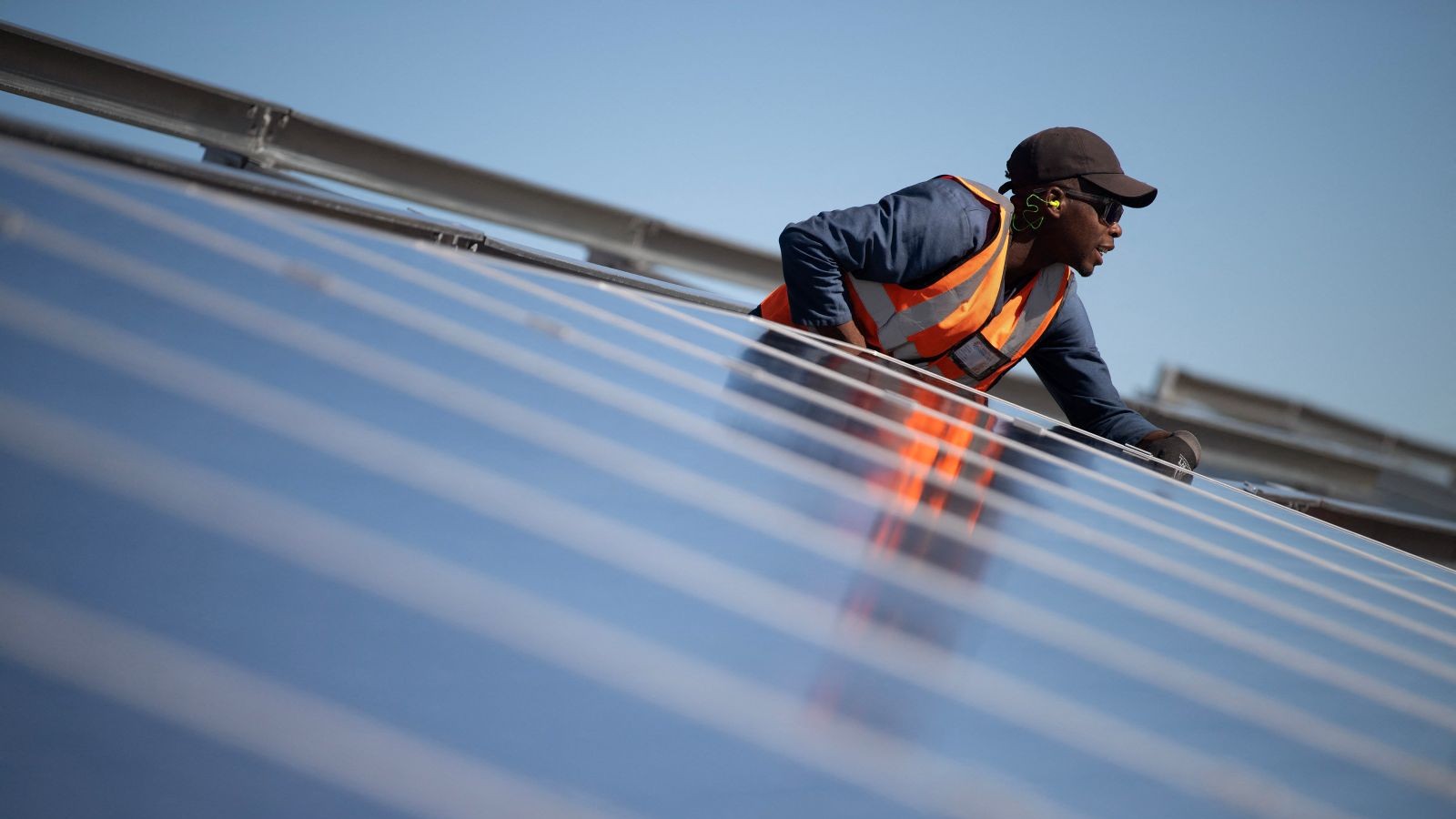
Despite these challenges, residents in low-income countries are independently pursuing energy transitions through grassroots investments. Vietnam has seen electric motorcycle and mopeds sales nearly double, now comprising 28 percent of new two-wheel vehicle purchases. Pakistan’s widespread rooftop solar installations effectively doubled the nation’s electricity capacity before the conflict and subsequently shielded it from the economic volatility experienced after earlier conflicts. Ethiopia and Nepal have similarly embraced electric vehicle adoption leveraging hydropower resources.
However, these organic transitions lack coordinated planning and equitable distribution. Wealthier households installing rooftop solar panels leave lower-income communities responsible for grid maintenance costs. Electric vehicle expansion strains electrical infrastructure without adequate preparation. Major development institutions, including the World Bank and International Monetary Fund, have reduced their focus on infrastructure development in developing nations. The World Bank notably abandoned ambitious climate lending objectives earlier in the year following policy shifts, leaving developing countries without systematic support for comprehensive energy system overhauls.
Article Attribution | Read More at Article Source
Article summary produced by Claude AI