

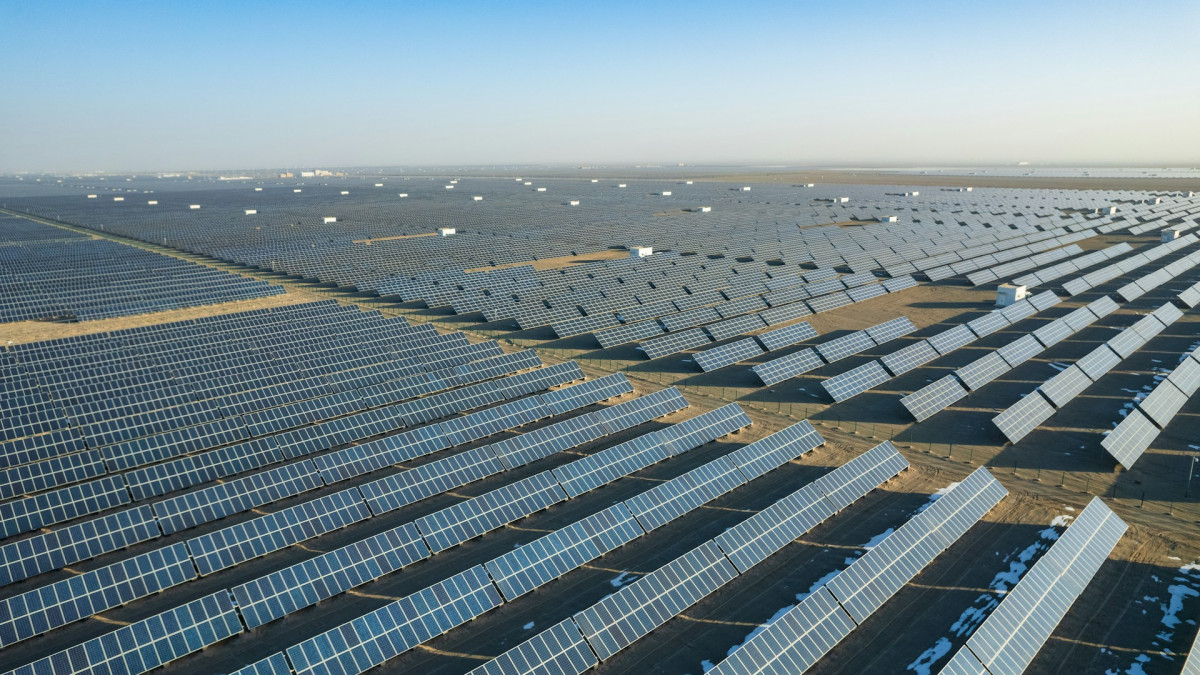
Solar power generation exceeded nuclear power generation globally in 2025, representing a significant milestone in the energy sector’s transition. Last year, solar produced approximately 13 percent more electricity than all nuclear power plants combined worldwide. This achievement comes after remarkable growth over the previous decade, with solar capacity expanding from 256 terawatt-hours in 2015 to 2,778 terawatt-hours in 2025.
The rapid expansion of solar energy has been driven primarily by dramatic cost reductions and manufacturing capacity, particularly from China. Solar photovoltaic panel prices have declined by approximately 90 percent since 2010, making solar the cheapest form of new energy capacity available globally. This price advantage has enabled widespread adoption across both wealthy and developing nations, with solar capacity roughly doubling every three years.
Developing and emerging economies have emerged as major drivers of growth, with approximately 63 percent of emerging markets in Africa, Asia, and Latin America now sourcing more solar energy than the United States. Nations including Brazil, Chile, El Salvador, Morocco, Kenya, Namibia, and Pakistan have achieved significant solar adoption rates. Pakistan has become particularly notable for rapid rooftop solar installations combined with battery storage systems, driven in part by the concurrent decline in battery costs.
Advances in battery technology have addressed solar power’s main limitation—intermittency—by enabling solar-plus-battery systems to become cost-competitive with new fossil fuel plants in sunny regions. The combination of low costs, energy storage capabilities, and the energy independence provided by domestic renewable generation has created compelling advantages for energy security. Solar power’s growth has continued despite shifting political support in some markets, including recent policy changes in the United States, as the economic advantages have made solar deployment increasingly independent of government subsidies and political conditions.
Article Attribution | Read More at Article Source
Article summary produced by Claude AI