

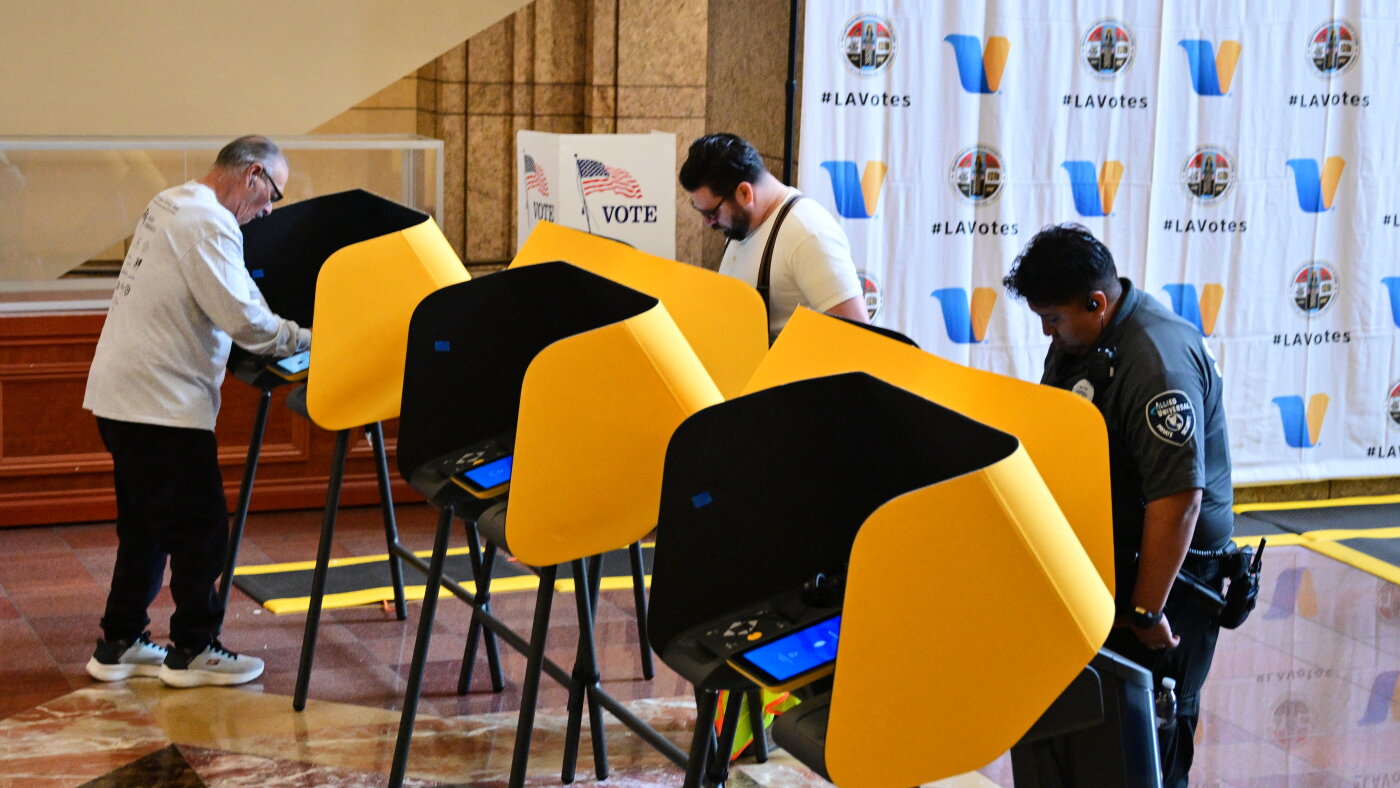
The Department of Justice has demanded that California take the unusual action of segregating ballots associated with approximately 20,000 individuals the department identifies as likely noncitizens. The state has filed court documents opposing the federal request, characterizing the litigation as a political effort that could result in the disenfranchisement of eligible voters in California.
According to filings submitted to the court, Los Angeles County officials conducted a preliminary review of a sample of 200 individuals from the federal list. The analysis indicated that the data provided by federal investigators may not be reliable. Among the records reviewed where birthplace information was meaningfully documented, approximately 38.9% indicated the individuals were born in the United States, which typically establishes citizenship. The county also found that roughly 112 of the 200 sampled records were associated with canceled or inactive voter registrations, and around 70% of the sampled individuals had no voting history.
The Justice Department initially delivered the list via an external storage device to Los Angeles County, which officials initially declined to accept due to security concerns. The department subsequently provided the information in spreadsheet format. Of the 20,000 names on the list, only 7,035 had addresses in Los Angeles County, with some duplicates present. Acting Deputy Attorney General Trent McCotter acknowledged that errors may exist in the federal list, noting that some individuals could ultimately be determined to be citizens.
On the same day as the court filings, the DOJ announced criminal charges against 28 individuals from the provided list. All 28 charged individuals are legal permanent residents, or green-card holders. In some cases, individuals expressed confusion about voting eligibility, with one person indicating he believed his Real ID documentation permitted him to vote. Research has shown that when noncitizens do vote, legal permanent residents often represent a significant portion due to misunderstandings of eligibility requirements rather than deliberate fraud.
Article Attribution | Read More at Article Source
Article summary produced by Claude AI