

Southeast Asia’s energy sector confronts mounting pressures from both global market disruptions and domestic infrastructure limitations. The closure of the Strait of Hormuz in February prompted widespread energy shortages across the region, with several nations implementing emergency measures including rationing and modified work schedules. As the waterway reopens, attention is turning toward longer-term energy security challenges rooted in the region’s reliance on imported oil and gas amid rapidly escalating electricity demand.
Regional governments have initiated efforts to transition toward renewable energy sources and reduce dependence on fossil fuel imports. Solar power deployment is expanding across multiple countries, and policymakers increasingly recognize electrification as essential to sustainable economic development. The International Energy Agency has emphasized that coordinated regional action can strengthen the area’s resilience to future supply disruptions and price volatility.
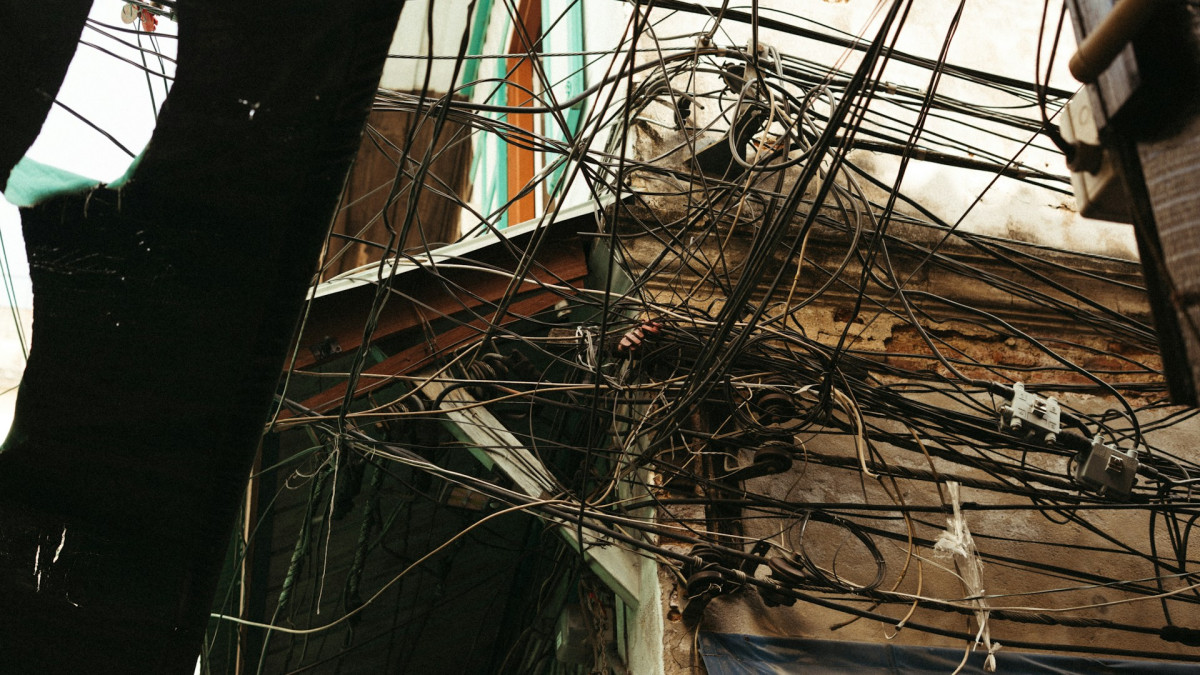
However, significant infrastructure gaps threaten to constrain the renewable energy rollout. Grid capacity, transmission networks, and energy storage systems have not kept pace with renewable project development. Additional obstacles include unclear contractual frameworks for power purchase agreements, regulatory approval delays, and inconsistent policy environments. An analysis found that between 2021 and 2025, between 50 to 60 percent of renewable projects in Vietnam, Thailand, and Indonesia experienced cancellations or delays due to inadequate infrastructure and policy support.
The timing mismatch between electricity demand and infrastructure development presents a critical constraint on investment flows. Projections indicate that over 100 TWh of new electricity demand will emerge by 2030, driven by data centers, electric vehicles, and industrial facilities. Grid construction timelines of five to fifteen years contrast sharply with anticipated demand arrival within one to three years, creating a bottleneck that increasingly determines capital allocation decisions.
Regional authorities are urged to prioritize grid modernization and maintenance while establishing clearer policy frameworks. The International Energy Agency recommends enhanced national preparedness and deeper ASEAN-wide cooperation across multiple energy sectors to build collective resilience against future market disruptions.
Article Attribution | Read More at Article Source
Article summary produced by Claude AI