

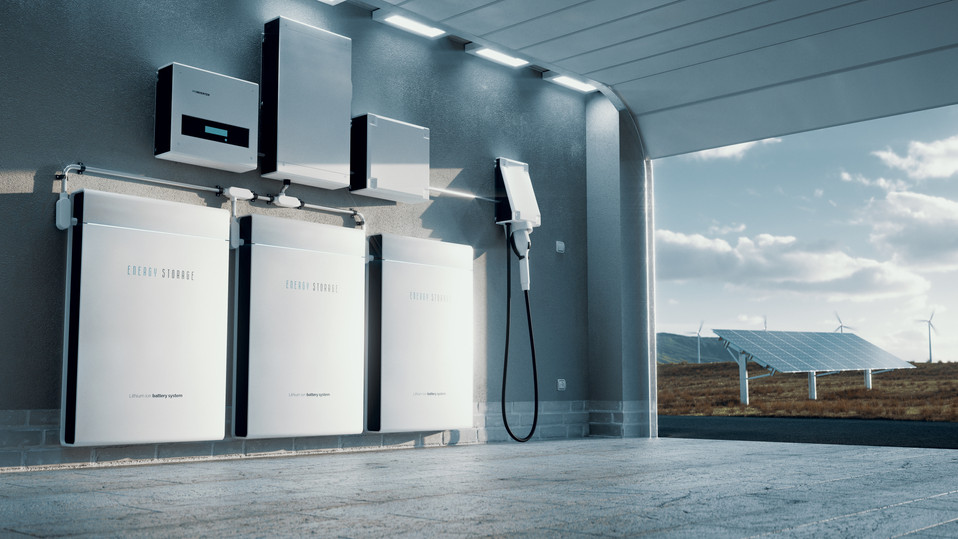
Virtual power plants, which aggregate small-scale electricity generation and storage resources across hundreds or thousands of properties, are gaining prominence across the United States as a solution to grid challenges. These systems coordinate residential and commercial equipment—including thermostats, electric vehicles, heat pumps, batteries, and solar installations—to provide energy services comparable to conventional power plants while enhancing grid flexibility and reliability.
The federal Department of Energy’s Loan Programs Office is actively supporting VPP deployment to address mounting grid pressures, including rising costs, interconnection delays, peak-demand spikes, and distribution congestion. Vermont has emerged as a leader in VPP adoption through Green Mountain Power’s initiative, which offers home battery systems for $55 monthly under a 10-year lease—a cost-effective alternative to backup generators. Over 5,500 Vermont residents have enrolled, and the utility now plans to provide free batteries to certain rural and outage-prone areas. The nation currently has more than 40 GW of VPP capacity, with projections suggesting capacity could reach 160 GW by 2030, representing approximately one-fifth of expected peak demand.
Artificial intelligence has become a significant catalyst for VPP expansion, particularly as technology companies seek substantial power sources for new data centers. AI systems can optimize grid utilization by analyzing demand patterns throughout the year, allowing for greater flexibility without requiring new transmission infrastructure. Industry analysts estimate that increasing grid utilization by just 10 percent could save consumers over $100 billion over the next decade.
Multiple states have recently enacted or proposed VPP legislation. Virginia has launched a 450-MW pilot program while Minnesota committed to 200 MW of capacity. California signed energy-affordability legislation expected to accelerate VPP rollouts, surprising observers given prior utility opposition. These programs can be deployed within six months to a year, substantially faster than constructing traditional energy infrastructure. Policymakers increasingly view VPPs as essential mechanisms to reduce infrastructure investment needs while improving grid efficiency and addressing underutilized capacity.
Article Attribution | Read More at Article Source
Article summary produced by Claude AI