

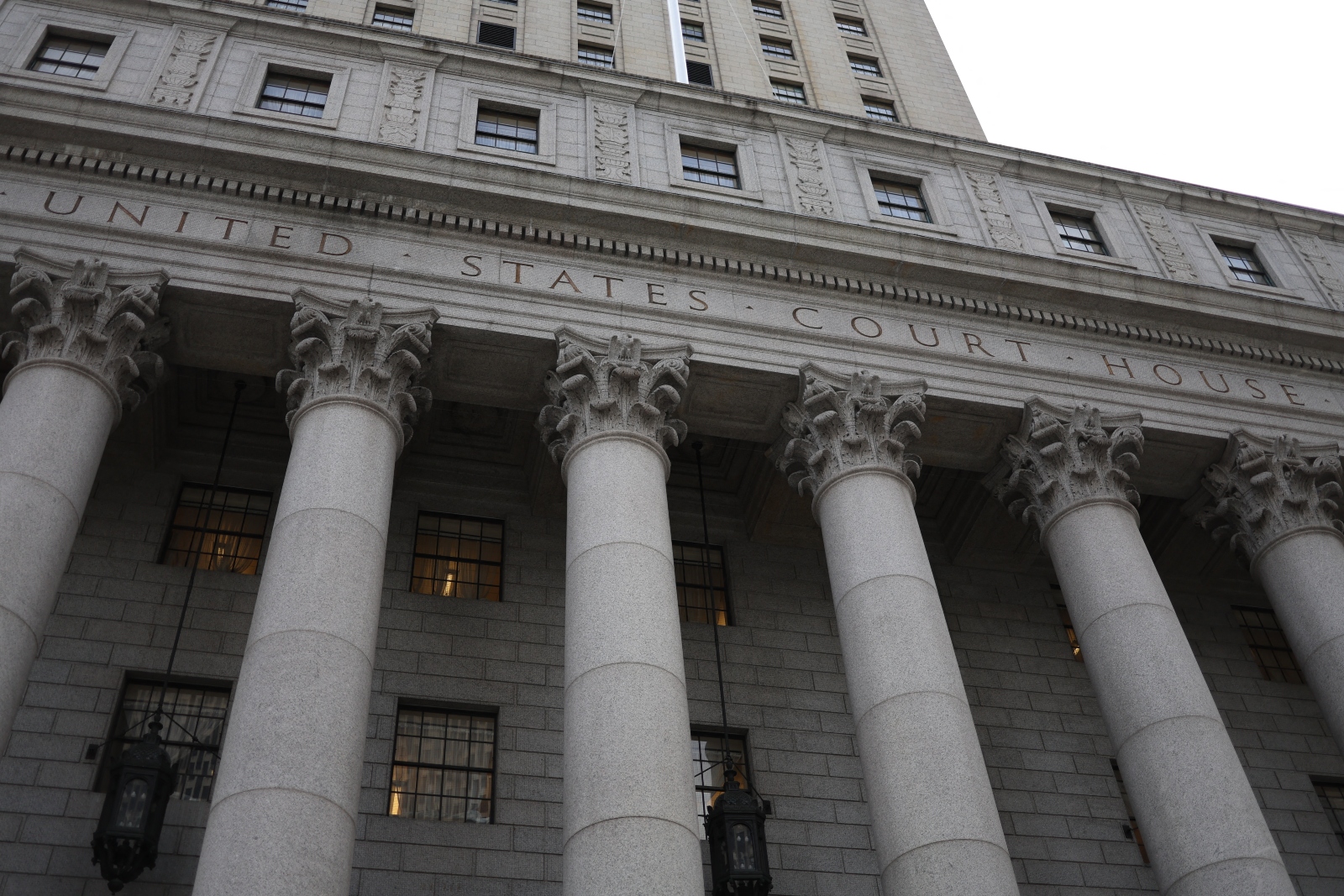
A federal judge recently blocked New York’s climate superfund law, which sought to require fossil fuel companies to compensate the state for climate-related damages. Signed in 2024, the legislation had prompted other states to develop comparable accountability mechanisms. The ruling against New York represents a setback for supporters, though legal experts and lawmakers indicate the decision’s broader impact remains limited.
New York’s law, modeled after the federal Superfund Act of 1980, aimed to collect $75 billion from fossil fuel companies to fund climate adaptation and recovery efforts, including infrastructure upgrades like improved stormwater systems and public cooling facilities. Two court decisions determined the state law conflicted with federal law, particularly the Clean Air Act. The rulings sided with fossil fuel companies and Republican state attorneys general who had challenged the measure. New York plans to appeal both decisions. Vermont currently stands as the only other state to have enacted comparable climate superfund legislation, and it now faces legal challenges from similar plaintiffs.
Despite the New York setbacks, Democratic lawmakers from multiple states have expressed intent to move forward with climate accountability bills. Legislators from Connecticut, Hawaii, Rhode Island, New Jersey, New Hampshire, California, Illinois, and Massachusetts indicated continued interest in proposing superfund measures during upcoming legislative sessions. Some dismissed concerns that the New York rulings would undermine similar efforts in their jurisdictions, citing different legal circumstances and court circuits. Republican officials and fossil fuel interests have conversely used the New York outcome to oppose climate accountability measures in their states.
A more significant legal threat looms with Suncor v. Boulder County, scheduled for Supreme Court argument beginning next week. The case examines whether a 2018 lawsuit brought by Boulder County and the City of Boulder against Suncor and Exxon Mobil can proceed in state court. Legal scholars warn that an unfavorable Supreme Court decision could preempt all state-level climate liability cases, potentially eliminating avenues for consumer rights, racketeering, and antitrust claims related to fossil fuel company conduct. The Supreme Court decision may not arrive until next spring.
Article Attribution | Read More at Article Source
Article summary produced by Claude AI