

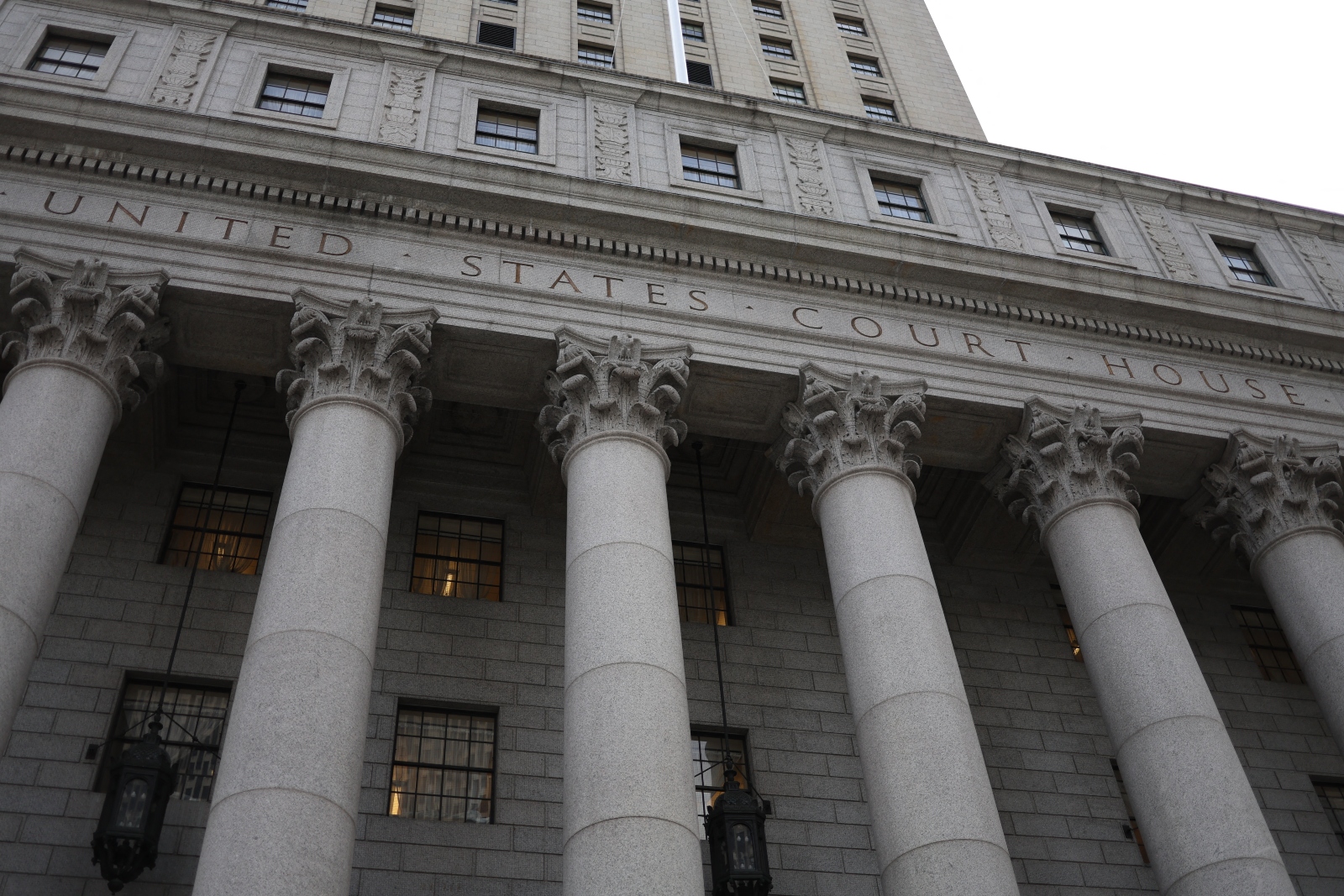
A federal judge last week joined another court in blocking New York’s climate superfund law, which sought to require fossil fuel companies to contribute $75 billion toward climate-related costs including extreme weather recovery and infrastructure improvements. The law, signed in 2024, was modeled after the federal Superfund Act of 1980 and inspired similar efforts in multiple states. Both rulings determined the New York measure was preempted by the federal Clean Air Act, with Judge Brenda Sannes stating it exceeded the scope of state authority. Twenty-two red-state attorneys general and industry groups supported the legal challenges.
The legal setbacks have emboldened opponents of climate accountability measures. Republican state officials have seized on the New York decisions to oppose similar legislation in their jurisdictions, with some threatening immediate lawsuits against any state that enacts comparable policies. A more significant challenge looms, however: the Supreme Court will begin hearing arguments in Suncor v. Boulder County next week, a case that legal experts warn could nullify all state-level climate liability initiatives if decided against the states. A ruling could eliminate not only superfund proposals but also related claims involving consumer rights, racketeering, and antitrust matters.
Despite the judicial obstacles, Democratic lawmakers in multiple states remain committed to pursuing climate accountability legislation. Legislators from Hawaii, Rhode Island, Connecticut, New Jersey, California, Illinois, and Massachusetts have indicated they plan to introduce or reintroduce superfund bills during upcoming legislative sessions. Vermont has already enacted climate superfund legislation and faces its own legal challenge. Proponents argue the New York court decisions have limited bearing on other states’ legal strategies and that continued efforts are justified regardless of the appellate process unfolding in New York.
Article Attribution | Read More at Article Source
Article summary produced by Claude AI