

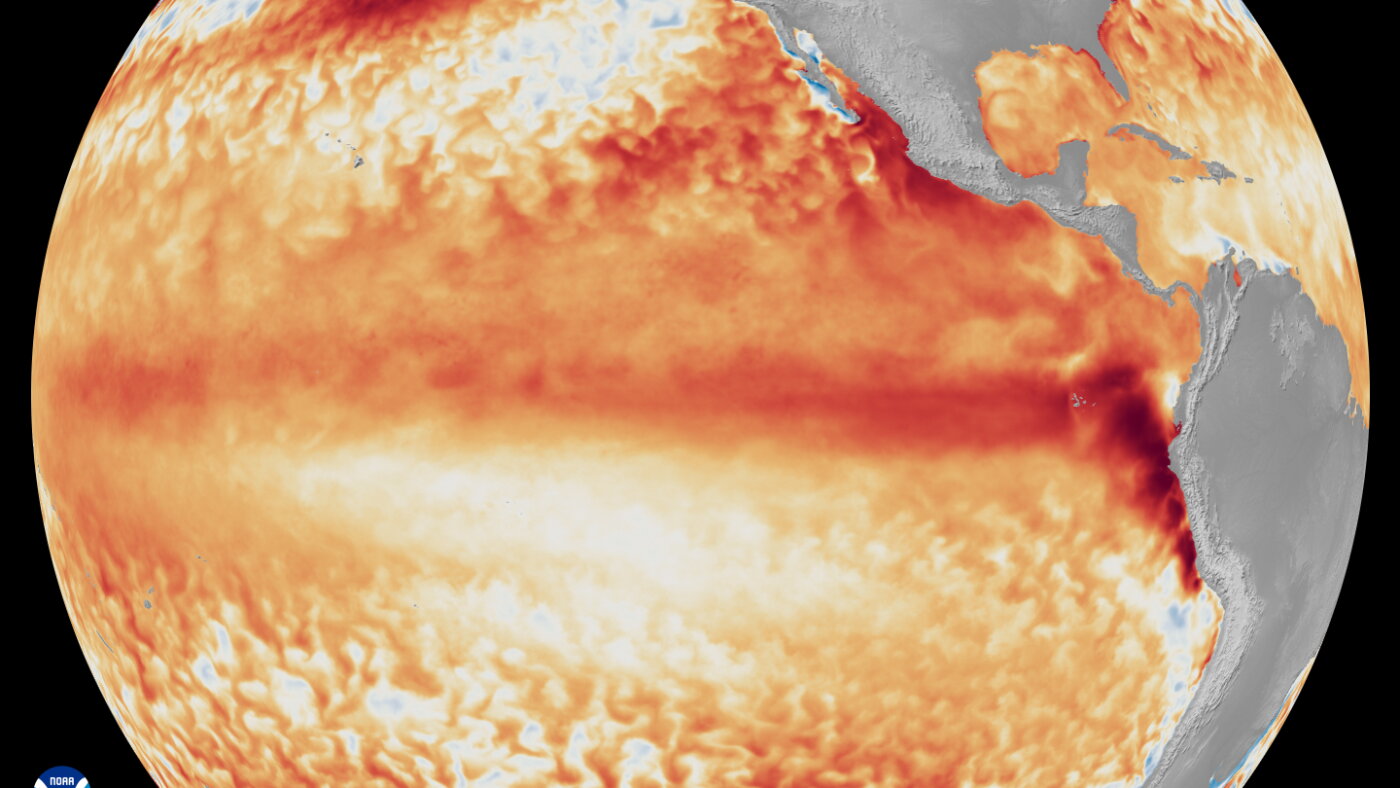
Federal weather forecasters have indicated that the current year may experience the strongest El Niño event ever recorded, with the phenomenon already being characterized as exceptionally powerful by scientists and meteorologists. The event is expected to persist through early 2027, with impacts potentially affecting hundreds of millions of people across the globe through alterations to weather patterns and agricultural productivity.
El Niño occurs when substantial warming develops in the eastern Pacific Ocean around the equatorial region, causing the release of significant heat into the atmosphere and subsequently shifting global weather patterns. NOAA forecasters classify this particular event as falling within the “very strong” category, based on ocean temperature measurements in a region off South America. The phenomenon is measured when water temperatures exceed average conditions by more than 2 degrees Celsius. Current conditions represent the strongest El Niño recorded at this point in the annual cycle, with previous comparable events occurring in 2015-16, 1997-98, and 1982-83.
The temperature implications of this event are substantial. El Niño years historically rank among the hottest on record globally, as the additional atmospheric heat raises overall planetary temperatures. While current conditions may approach temperature records, forecasters anticipate that 2027 is more likely to see record-breaking temperatures. The United Nations World Food Programme estimates the event could push at least 49 million additional people into acute food insecurity by the end of 2027 due to disruptions in rainfall patterns and agricultural productivity.
Regional weather impacts vary significantly across North America. The southern United States typically experiences intensified rainfall during El Niño years as the jet stream shifts southward, increasing flood risks. The Southwest may benefit from additional precipitation that could alleviate drought conditions and replenish aquifers. Conversely, the northern portion of the country generally becomes warmer and drier, potentially worsening existing drought conditions in the Intermountain West. The Atlantic Ocean typically experiences fewer hurricanes during El Niño years, while Pacific hurricane activity and intensity often increase due to warmer ocean waters.
Expert commentary emphasizes the unpredictability of specific regional outcomes. Scientists note that while El Niño establishes probabilistic tendencies for weather patterns, natural variability and concurrent climate change effects introduce complexity into forecasts for any given location. The combined influence of El Niño and anthropogenic climate change is expected to shape weather conditions through the winter months, though the temporary El Niño influence will eventually diminish while climate change effects persist long-term.
Article Attribution | Read More at Article Source
Article summary produced by Claude AI