

The rapid expansion of artificial intelligence data centers is creating significant pressure on global water and energy resources, according to recent research and industry analysis. Large individual facilities can consume up to 5 million gallons of water daily for direct operations, though comprehensive data on total consumption remains limited due to industry opacity.
Water usage calculations become substantially larger when accounting for indirect consumption. Research from the University of Michigan determined that when including water needed to generate electricity powering three planned AI data centers in that state, the total water footprint increases by approximately 14 billion gallons. Experts note that this indirect water usage often exceeds direct consumption and carries significant impacts on regional water resources and watersheds.
Scientists at the University of Texas at Austin have published research examining desalination methods for treating industrial wastewater to supply data center cooling systems. Their study, published in Water Research, evaluates the energy efficiency of various approaches, identifying reverse osmosis as the most efficient option, though it has limitations with highly saline water. Alternative methods such as vapor distillation are available but require more energy, though researchers note these are established technologies rather than experimental solutions.
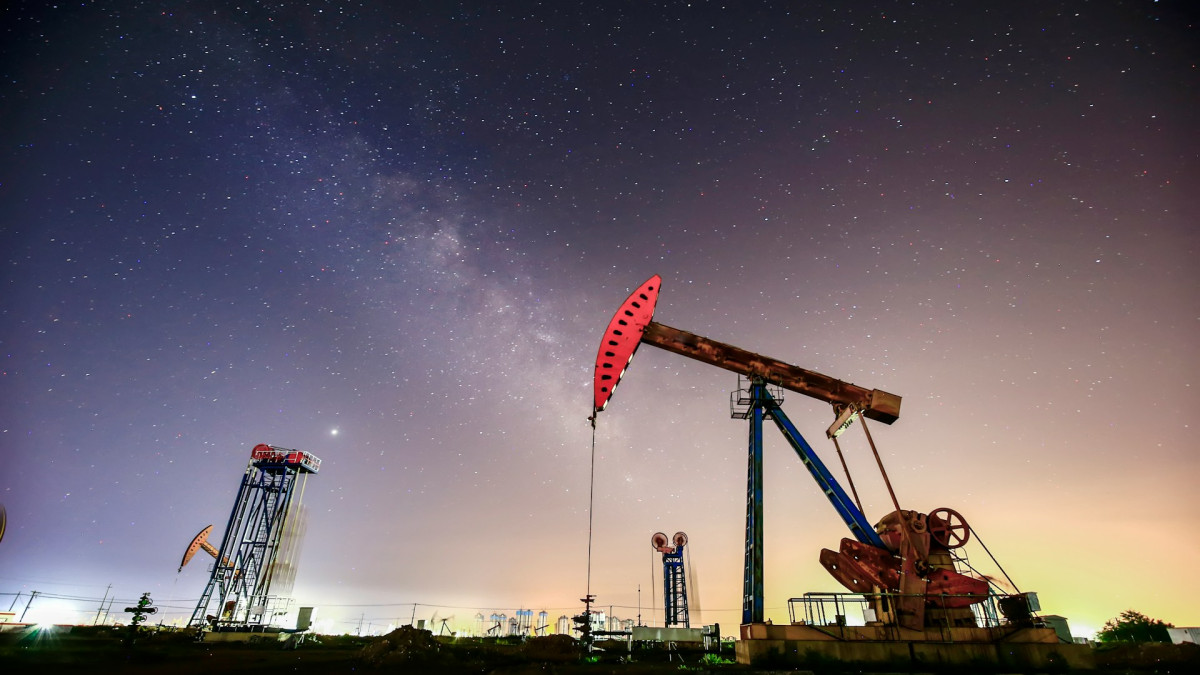
The researchers propose utilizing wastewater from oil and gas operations in the Permian Basin as a sustainable source for data center water needs. The region generates approximately 790 million gallons of wastewater daily, far exceeding individual data center requirements. Current practices involve transporting this water over long distances for underground injection, which presents environmental concerns including seismic risks. Industry experts indicate that disposal capacity may become exhausted as early as 2030, creating urgency for alternative uses. Treatment costs would represent only a small fraction of a data center’s overall energy expenses, according to the researchers.
Article Attribution | Read More at Article Source
Article summary produced by Claude AI