

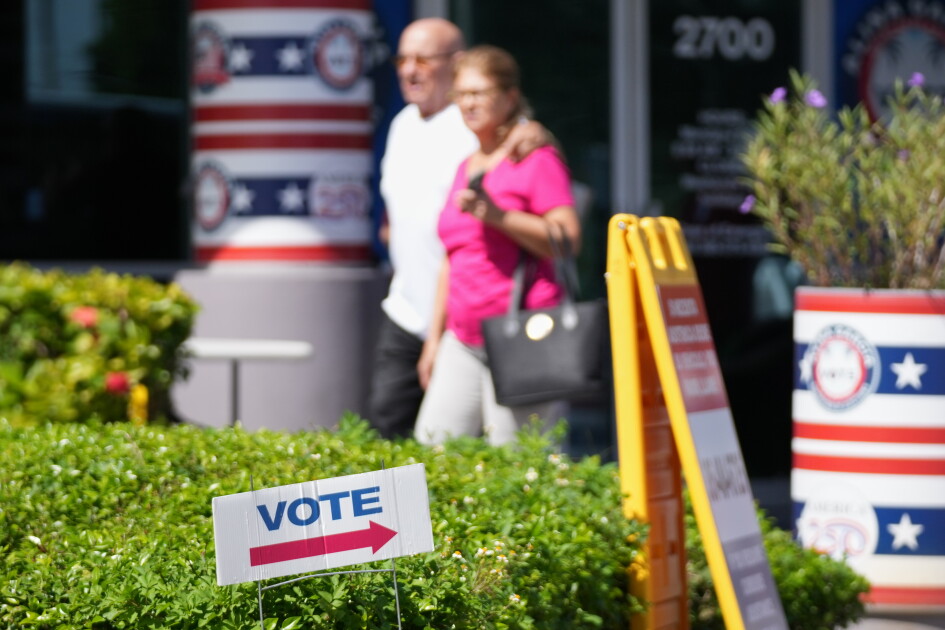
Education Week identified four major K-12 themes voters are addressing as polling places close on election day. The results carry significant implications for the nation’s schools across multiple policy areas.
Control of Congress stands as the primary question. Pollsters have projected Democrats may gain House seats and make Senate races competitive, potentially ending two years of unified Republican control. Such a shift would likely trigger oversight of Trump administration efforts to dismantle the Education Department. However, Democratic leverage remains limited due to Trump’s veto power. One potential avenue for action involves federal budget negotiations, where language could address Education Department functions. Some observers point to precedent for bipartisan work, citing the Every Student Succeeds Act passed in 2015 during divided government, though others anticipate gridlock.
Trans-inclusive athletic policies face ballot tests in four states. Arizona, Colorado, Nebraska, and Washington voters are deciding on measures to restrict transgender student participation in school sports—the first such ballot measures to reach voters. Arizona and Nebraska already have existing bans; the new measures would expand or codify them. Colorado and Washington currently allow transgender athletes to compete on teams matching their gender identity. The Trump administration has challenged Washington state’s policies as violating Title IX. Additionally, Arizona and Wisconsin voters consider measures restricting what those measures term “preferential treatment” based on race in schools and state entities.
Funding and taxation represent the most frequent subject of education-related ballot measures. At least 18 questions across 12 states address tax and funding matters. Twelve measures would limit taxation or school funding sources through repealing taxes, capping rates, or expanding exemptions. Six measures aim to expand revenue for schools. California presents a complex scenario with multiple revenue proposals and counterproposals that could conflict if passed.
Education savings accounts—programs allowing public funds for private and home-school expenses—face potential restrictions in several states. Iowa Democratic gubernatorial candidate Rob Sand has campaigned against the program’s current universal eligibility, advocating instead for income caps and private school audit requirements. In Arizona, Democratic Gov. Katie Hobbs and the Democratic state superintendent candidate have both called for ESA restrictions.
Article Attribution | Read More at Article Source
Article summary produced by Claude AI