

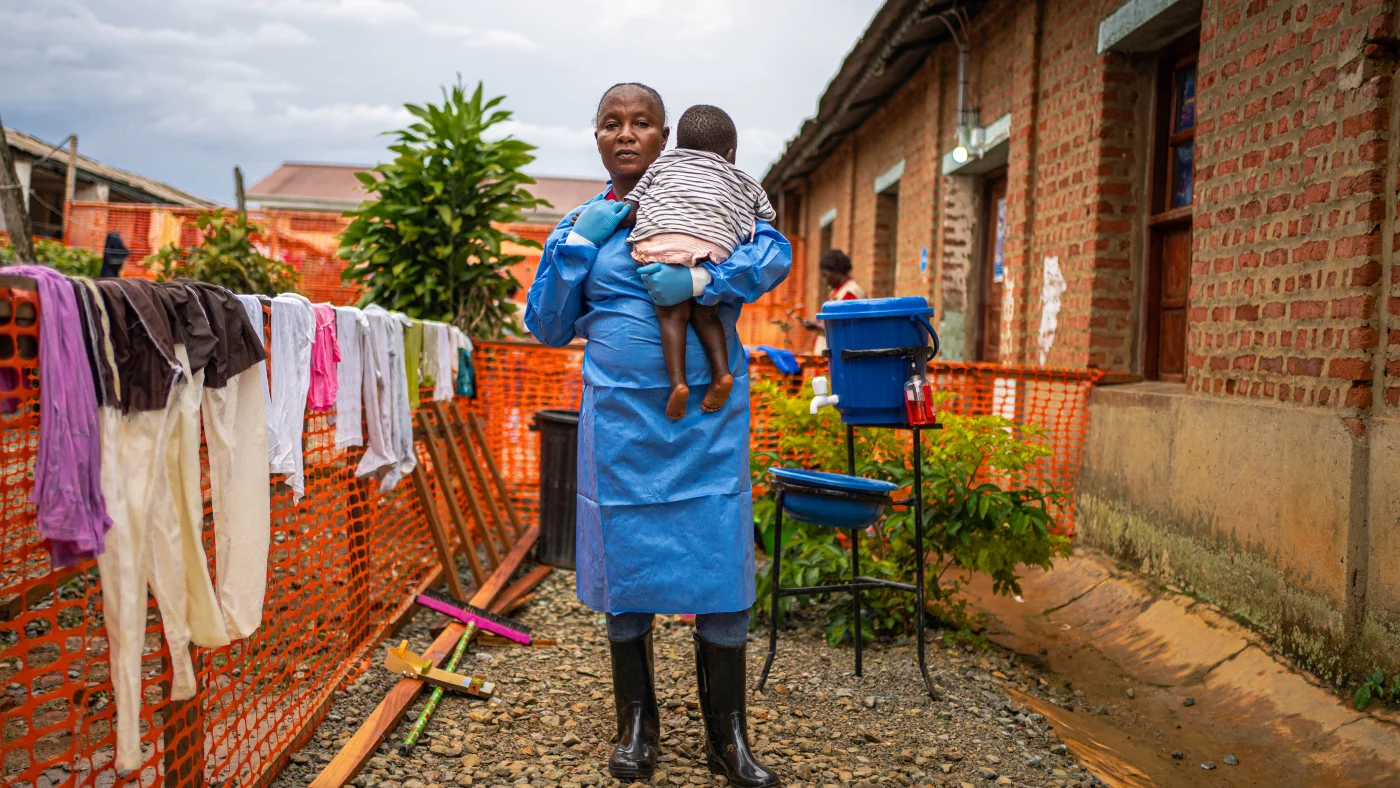
The Ebola outbreak in the Democratic Republic of Congo has reached a significant milestone, surpassing 10,000 infections according to government figures released following the initial declaration in May. This represents the fastest-spreading Ebola outbreak recorded to date. The current outbreak also holds the distinction of being the largest in geographic scope, extending across multiple countries from Nigeria to Kenya. The death toll stands at nearly 5,000, making it the second-deadliest Ebola outbreak on record, though still below the over 11,000 deaths recorded during the 2014-2016 West Africa outbreak, which saw more than 28,000 total cases.
Approximately one-third of deaths in the current outbreak involve children, with particularly severe impacts on those under 5 years old. Evidence suggests the virus likely began circulating in February or March, several months before the official outbreak declaration. The delay in detection stems from multiple factors, including the involvement of Bundibugyo, a rarer Ebola species for which existing diagnostic tests were not calibrated. The remote location of the affected region in northeastern DRC, combined with ongoing conflict and reduced disease surveillance capacity, further contributed to the delayed identification.
International response efforts have proceeded more slowly than in previous major outbreaks. Healthcare workers from the United States and other countries have been less involved in the response compared to earlier crises, attributed in part to policy restrictions. Despite over $880 million in pledged funding from the United States and other countries worldwide, funds have materialized slowly on the ground. Response infrastructure has nevertheless expanded, with approximately two dozen diagnostic laboratories and more than 50 treatment centers now operational, along with nearly 2,000 treatment beds.
A critical challenge remains the low rate of community care-seeking, with roughly two-thirds of deaths occurring outside treatment facilities. An October survey indicated that 85% of respondents in the North Kivu region cited distrust of community responders as a barrier to seeking treatment. Early symptoms of Bundibugyo infections, including fever, headache, and body ache, can resemble common regional endemic diseases, delaying patient decisions to seek specialized care. Community health workers continue efforts to rebuild trust and counter misinformation that questions the reality of the outbreak or the intentions of response teams.
Article Attribution | Read More at Article Source
Article summary produced by Claude AI