

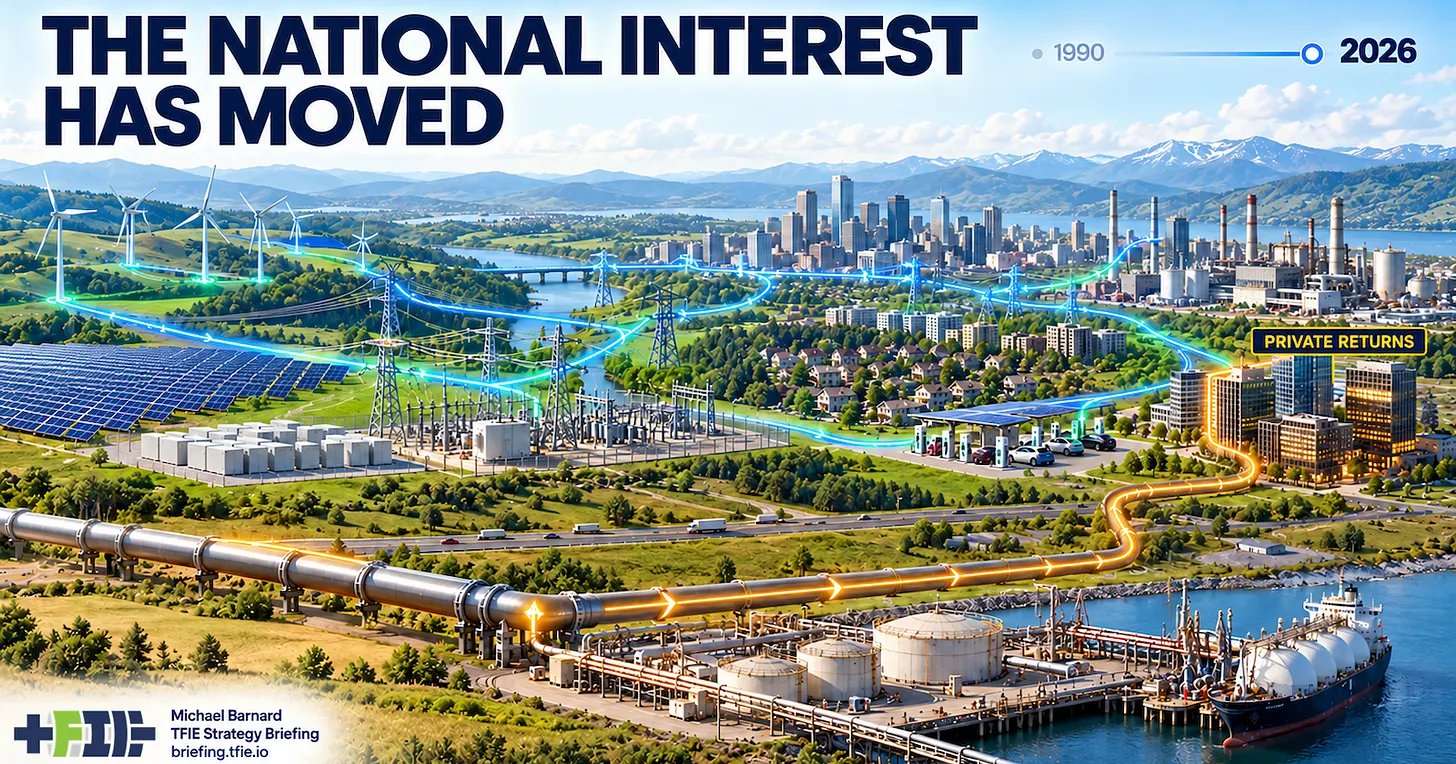
The economic case for climate action has fundamentally changed since the early decades of climate policy, according to recent analysis. While countries once had plausible economic reasons to delay emissions reductions and rely on others’ climate investments, the technological landscape of 2026 presents a different set of choices. Solar, wind, battery storage, electric vehicles and heat pumps have all experienced significant cost declines and achieved market maturity in many nations, shifting the incentive structure for energy investment decisions.
Fuel-importing nations face particularly altered economics. Because fossil fuels require repeated purchases, continued dependence creates ongoing exposure to commodity price volatility, foreign suppliers and exchange rate fluctuations. Transitioning to domestic electricity generation reduces these recurring costs and redirects spending toward power infrastructure and equipment with lasting utility after initial capital investment. However, this transition involves complexities beyond simply selecting cheaper generation technology, including requirements for grid infrastructure, energy storage, financing mechanisms and demand flexibility.
The national calculus differs significantly across countries based on their specific circumstances. Fossil fuel exporters may still depend on oil and gas revenues for government budgets and employment, meaning domestic renewable electricity does not offset lost export income. Nations experiencing high interest rates face additional challenges, as otherwise inexpensive equipment becomes costly when financing expenses are included. Time horizons also create complications, as grid construction may stimulate economic activity before energy savings materialize, while electricity rate increases become visible to voters immediately.
Private sector interests can diverge from broader national economic benefits. Energy suppliers, utilities and generators maintain financial incentives to extend existing revenue-generating assets rather than transition to new systems. Similarly, renewable energy developers, manufacturers and transmission companies may pursue commercial interests that increase consumer costs rather than optimize system outcomes. Policymakers increasingly need to compare these incentive structures against actual delivered results.
Governments now face more complex questions than simply identifying clean versus incumbent technologies. Effective policy requires evaluating what services investments deliver, who bears costs before benefits arrive, which parties profit from delayed action, and what evidence demonstrates whether decisions succeeded. Sequencing, financing access and targeted protections remain essential for maintaining political sustainability while pursuing economically sensible transitions, particularly for lower-income households and renters who cannot individually control energy choices.
Article Attribution | Read More at Article Source
Article summary produced by Claude AI