

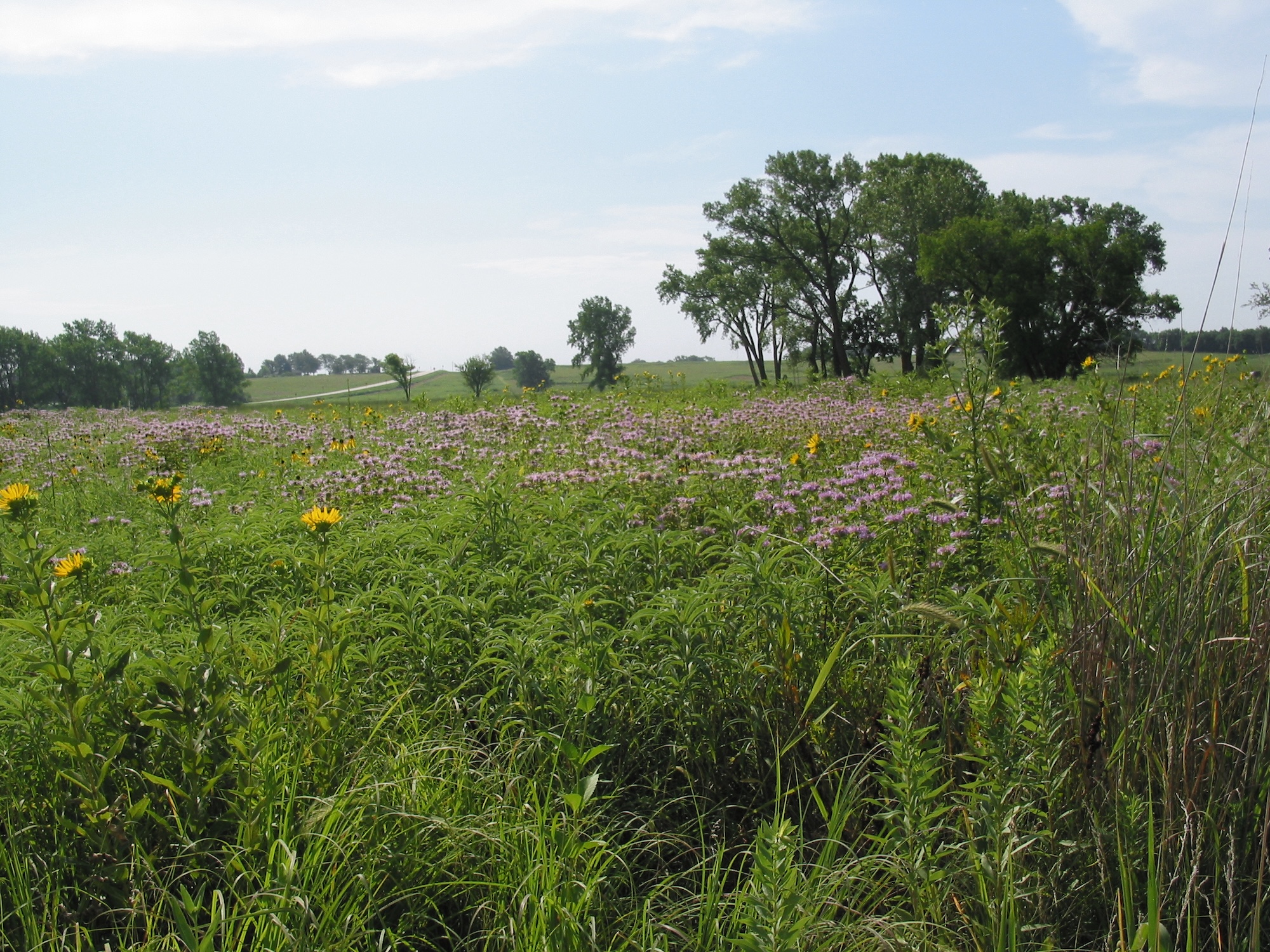
Ranchers and ecologists across the Great Plains are confronting an unusual environmental crisis: the rapid expansion of trees into prairie grasslands, a phenomenon known as woody encroachment or the “green glacier.” What was once deliberately planted windbreaks of eastern red cedar have begun spreading uncontrollably across rangelands, creating significant economic and ecological consequences.
The economic impact is substantial, with the Texas A&M Agrilife extension estimating that woody encroachment across ten Great Plains states represents $4 billion in lost range production. For ranchers, the expansion reduces available grazing land for cattle. Ecologists warn of broader biodiversity losses affecting insects, birds, and small mammals that depend on prairie ecosystems. Additionally, concerns persist about the water demands of expanding tree populations in regions already facing water stress, particularly as the phenomenon moves westward into more arid areas.
The root causes of woody encroachment are interconnected with historical land management practices. Fire suppression has allowed trees to establish and develop thick bark, making them more resistant to future fires. Overgrazing reduces grassy competition for woody plants, enabling faster growth. Unlike natural prairie grazers, cattle and bison do not eat trees or shrubs, allowing them to proliferate. Meanwhile, cultural practices specific to the region have contributed to the problem. Nebraska’s history as the “Tree Planter State” stems from the Homestead Act of 1862 and the state’s Kinkaid Act of 1904, which incentivized tree cultivation. Modern horticultural advances have produced hardier cedar saplings, accelerating the spread.
Addressing woody encroachment requires both ecological and cultural interventions. The Flint Hills of Kansas and Osage Hills of Oklahoma have maintained two-thirds of the nation’s remaining tallgrass prairie largely through prescribed burning traditions dating back over a century. However, regions like Nebraska’s Sandhills lack similar fire management cultures. Efforts to implement prescribed burns face resistance requiring time and community engagement. Some experimental approaches involve using browsing animals like goats, sheep, and elk as part of broader management strategies.
Another perspective shift may be necessary for the broader conservation movement. While tree-planting has long been promoted as beneficial for carbon sequestration and environmental health, research suggests that well-managed grasslands can function as more secure carbon sinks than forests, particularly when fire cycles are maintained properly. This understanding could reshape conservation priorities and practices across the Great Plains.
Article Attribution | Read More at Article Source
Article summary produced by Claude AI