

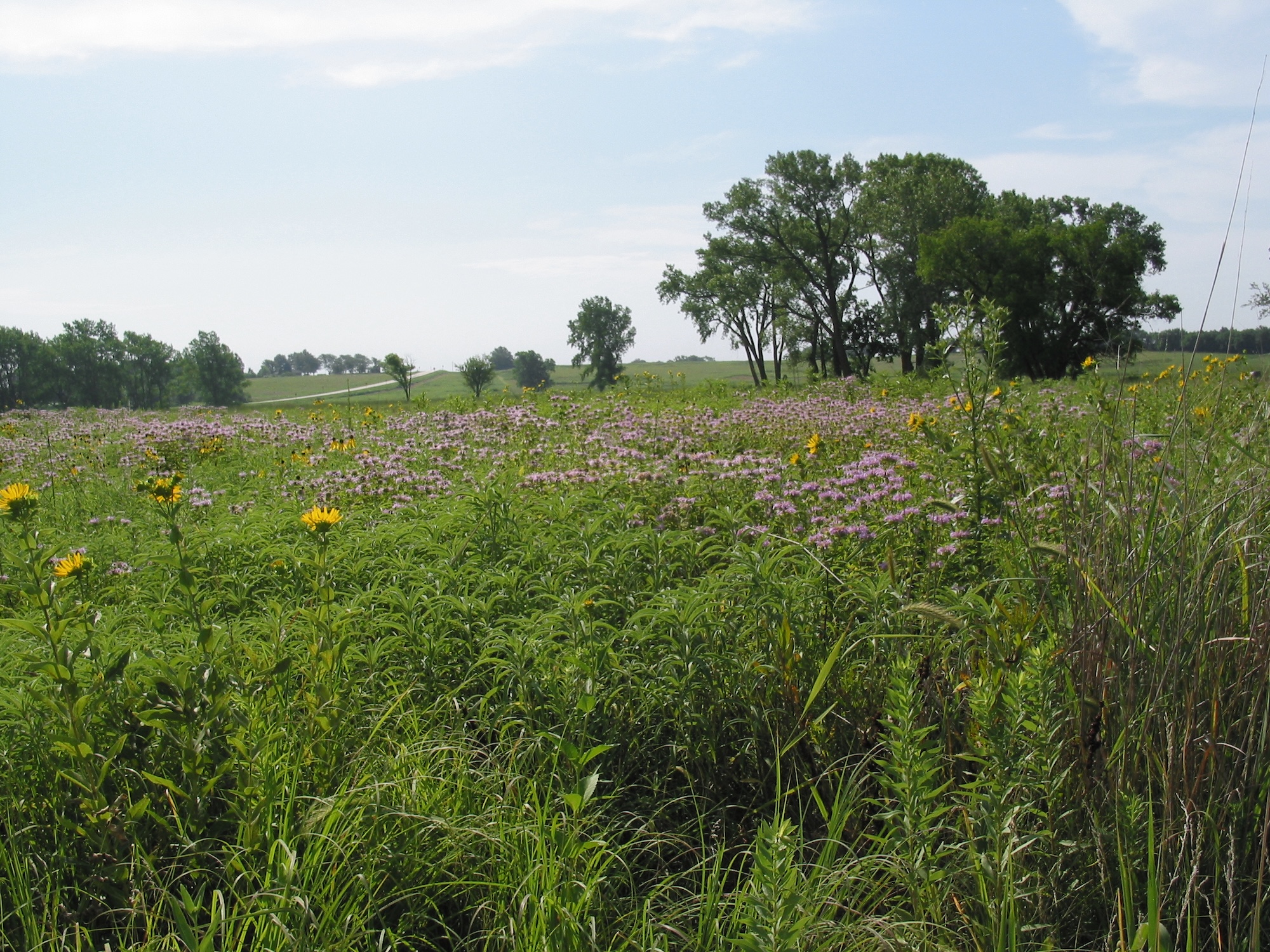
The Great Plains, particularly the Nebraska Sandhills, face an unexpected environmental challenge as trees spread across grasslands at increasing rates. This phenomenon, known as woody encroachment or the “green glacier,” occurs when tree species gradually expand into prairie ecosystems, creating ecological and economic consequences for the region.
Ranchers report significant losses from this expansion. According to Texas A&M Agrilife extension estimates, woody encroachment across the ten Great Plains states represents approximately $4 billion in lost range production. Beyond economic impacts, ecologists warn that the loss of open prairie threatens the biodiversity of insects, birds, and small mammals adapted to grassland habitats. Water availability also presents a concern, as the expanding tree population may strain already stressed water supplies in arid western regions.
Several factors contribute to the woody encroachment problem. Fire suppression has allowed woody plants to establish themselves and develop thicker bark, making them more fire-resistant over time. Overgrazing reduces competition from grasses, enabling trees to grow faster. Additionally, the historical tradition of tree-planting in Nebraska, dating back to settlement incentives like the Homestead Act of 1862 and the Kinkaid Act of 1904, has created a cultural preference for trees. Modern horticultural advances have produced hardier cedar saplings that spread more aggressively across the landscape.
Efforts to address the issue focus on prescribed burning, a practice particularly successful in Kansas and Oklahoma where two-thirds of the nation’s remaining tallgrass prairie persists. However, regions like the Sandhills lack established fire management cultures, requiring significant shifts in regional practices and attitudes. Conservation leaders also note that the prevailing environmental wisdom favoring tree-planting must evolve. Research suggests that healthy grasslands managed through regular fire cycles may serve as more secure carbon sinks than forests, particularly given the increasing threat of uncontrolled wildfires resulting from fire suppression policies.
Article Attribution | Read More at Article Source
Article summary produced by Claude AI