

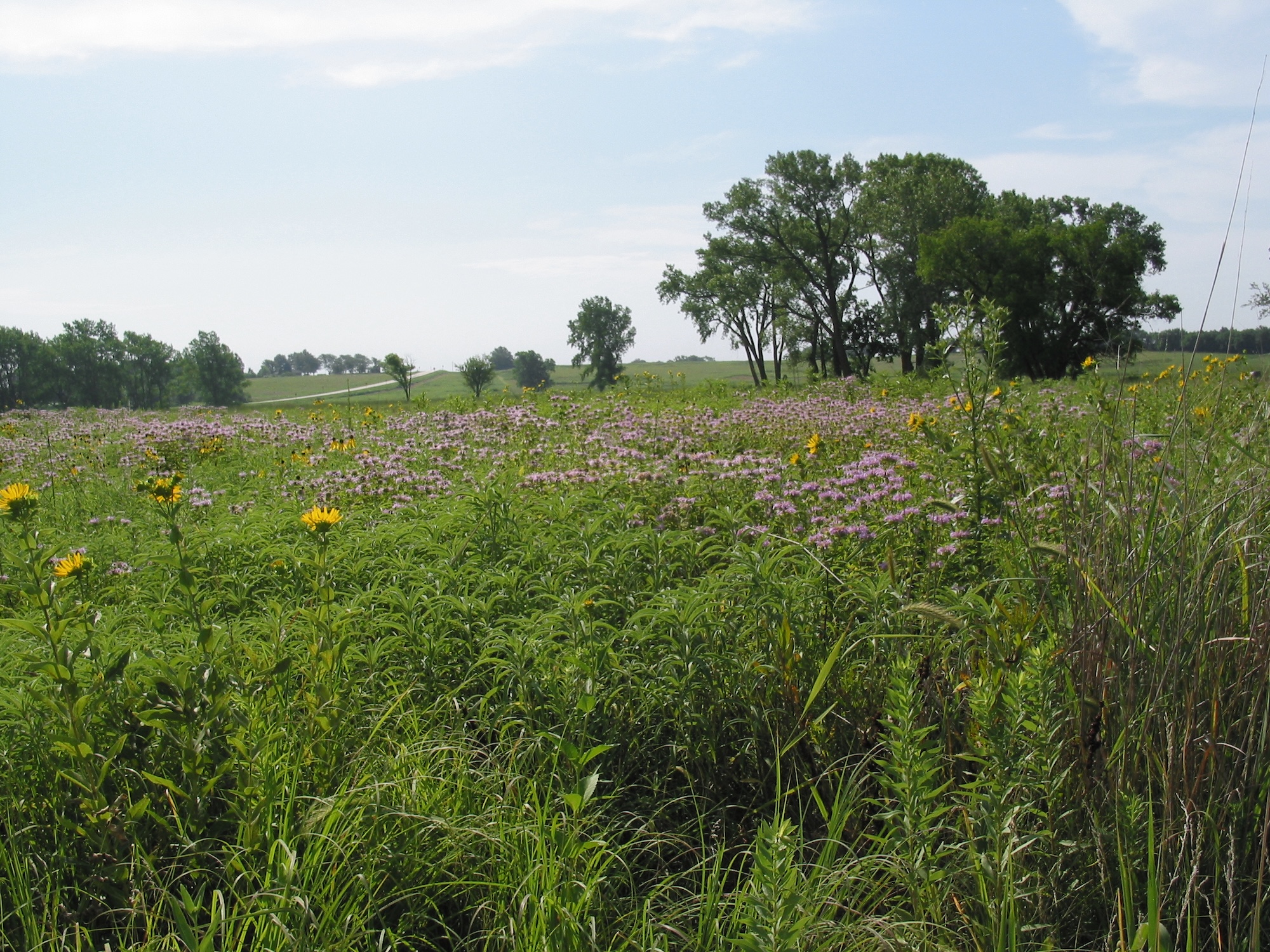
Ranchers and ecologists across the Great Plains are contending with an expanding tree population that is gradually converting grassland to woodland in a phenomenon referred to as woody encroachment or the “green glacier.” The spread of woody species, particularly eastern red cedar, is occurring across the High Plains region including Nebraska’s Sandhills, an area traditionally dominated by grasses and used for cattle ranching.
The economic and ecological consequences of this shift are significant. Texas A&M Agrilife extension estimates that woody encroachment across the ten Great Plains states represents approximately 4 billion dollars in lost range production. Beyond the direct impact on grazing capacity, ecologists warn that the conversion threatens the region’s remaining prairie ecosystem, which supports specialized insects, birds, and small mammals adapted to grassland environments. Water availability also presents a concern, as expanding tree populations may further stress the already-limited water supply across the arid western prairie regions.
The causes of woody encroachment are multifaceted and tied to land management practices. Fire suppression has allowed woody plants to establish and develop thick bark that enables them to survive subsequent fires. Overgrazing reduces grass competition, allowing trees and shrubs to proliferate more rapidly. Additionally, grazing animals such as cattle and bison do not consume woody plants, meaning natural herbivory cannot control their spread. Browsing species like goats and sheep could help manage woody plants, though their use remains experimental.
Historical and cultural factors have also contributed to the problem. Nebraska’s settlement history, dating to the Homestead Act of 1862 and the Kinkaid Act of 1904, established a strong cultural tradition of tree planting that persists today. This tradition contrasts with regions like the Flint Hills of Kansas and Osage Hills of Oklahoma, where prescribed burning practices have maintained grasslands and prevented woody encroachment.
Addressing the issue requires both management changes and cultural shifts. Prescribed fire has proven effective in controlling woody plants and maintaining healthy prairie ecosystems, but adopting this practice requires changing community attitudes toward fire on the landscape. Additionally, conservation efforts must reconsider assumptions that trees universally benefit the environment, as grasslands may actually function as more effective carbon sinks than forests, particularly when fire cycles are maintained naturally.
Article Attribution | Read More at Article Source
Article summary produced by Claude AI