

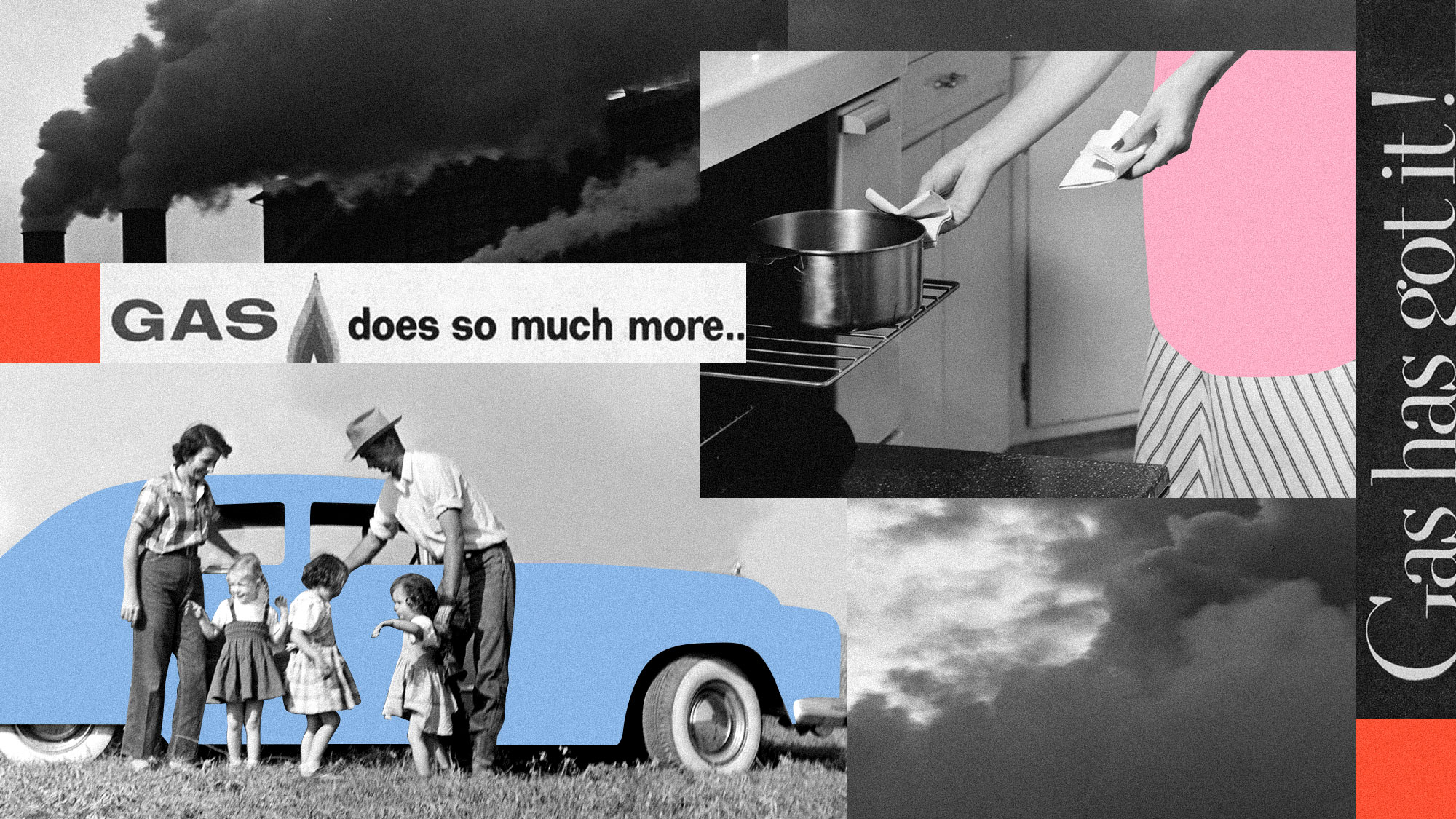
According to a Grist investigation, the pervasive role of fossil fuels in American life was not inevitable but rather the result of deliberate marketing campaigns spanning nearly a century. The petroleum industry invested millions of dollars in advertising starting in the 1940s and 1950s to promote the idea that the American way of life depended on oil and gas products. These campaigns featured billboards depicting families on road trips, magazine advertisements showing women cooking with gas stoves, and depictions of men using gas-powered lawn equipment. Environmental sociologist Robert Brulle of Brown University noted that dependence on oil did not arise organically but was strategically cultivated through coordinated industry efforts.
The natural gas industry specifically promoted all-gas “dream kitchens” and showcased them to editors of major publications including Better Homes and Gardens, Good Housekeeping, and The Ladies’ Home Journal. These campaigns created a cultural association between fossil fuel consumption and prosperity, success, and personal freedom. The messaging, often implicit rather than explicit, linked the American Dream itself to petroleum products and the lifestyle they enabled.
This historical context provides insight into contemporary political debates surrounding energy policy. Resistance to proposals such as gas range restrictions or mandates for electric vehicle adoption may reflect deeper cultural associations rather than purely technological concerns. Political messaging continues to frame fossil fuel use as essential to national prosperity and the American way of life. The Trump administration, for instance, has characterized efforts to roll back climate regulations as “restoring the American Dream,” echoing language employed by the oil industry throughout the twentieth century.
Historically, the dominance of gasoline-powered vehicles was not predetermined. At the turn of the twentieth century, electric vehicles were quieter and easier to operate than gasoline cars and comprised approximately one-third of vehicles on roads. The eventual triumph of gasoline infrastructure over alternative transportation methods reflected industry influence and marketing rather than technological inevitability. As the United States faces pressure to transition toward renewable energy sources, the cultural narratives established through decades of petroleum industry messaging continue to shape public perception and policy responses.
Article Attribution | Read More at Article Source
Article summary produced by Claude AI