

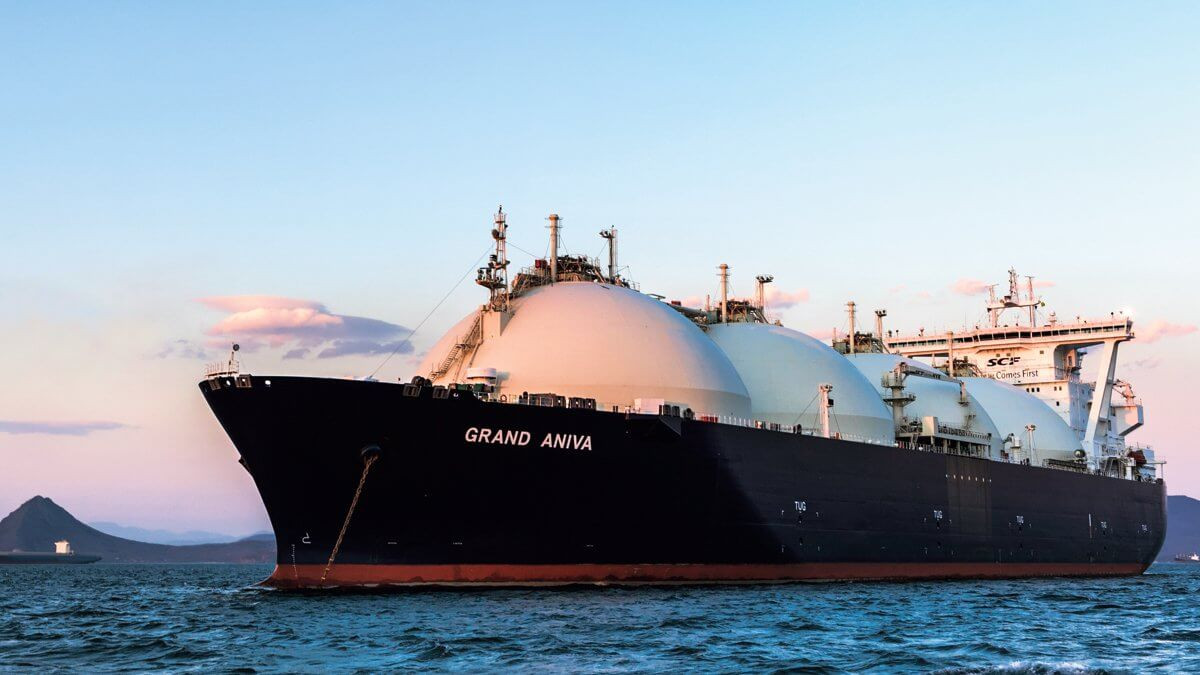
A Middle East conflict has disrupted liquefied natural gas flows from Qatar and the United Arab Emirates, prompting global energy markets to adjust supply chains and procurement strategies. According to analysis by Rystad Energy, international LNG importers are projected to incur at least $39 billion in additional expenses during 2026 while simultaneously reducing their total purchases by 60.7 million tonnes. The disruptions stem from blocked export routes through the Strait of Hormuz, forcing buyers to acquire replacement supplies at elevated prices in spot markets.
The financial impact varies significantly by region based on existing contract structures and diversification levels. Europe faces the most severe consequences, with its LNG expenses rising by a minimum of $12 billion despite demand falling by 24 million tonnes. The region’s heavy reliance on spot market purchases before the conflict began leaves limited flexibility for sourcing alternatives. European importers are scheduled to lose 20.6 million tonnes of contracted Qatari deliveries out of 24.7 million tonnes initially expected during the year.
East Asia demonstrates greater resilience due to a more diversified portfolio of long-term contracts and supply sources outside the Middle East. The region faces a relative cost increase of 9.7 percent, substantially lower than Europe’s burden. A critical factor in this disparity involves pricing mechanisms: approximately 82 percent of East Asia’s long-term contracts are indexed to oil prices, which have risen less dramatically than spot LNG prices. European contracts, by contrast, often rely on gas price indexes or spot pricing, leaving them more exposed to market volatility.
Analysts emphasize that the disruption reveals vulnerabilities in current energy security frameworks. Importers relying primarily on spot market liquidity face acute exposure to sudden replacement-cost shocks when supply routes become unavailable. Recommendations include diversifying supply origins to include routes bypassing maritime chokepoints, restructuring contract portfolios to match residual demand patterns, and evaluating whether pricing advantages in current contracts will persist throughout their full terms. Expanding liquefaction capacity from alternative suppliers such as the United States offers additional diversification opportunities, though increasing feedgas demand may support higher benchmark prices over time.
Article Attribution | Read More at Article Source
Article summary produced by Claude AI