

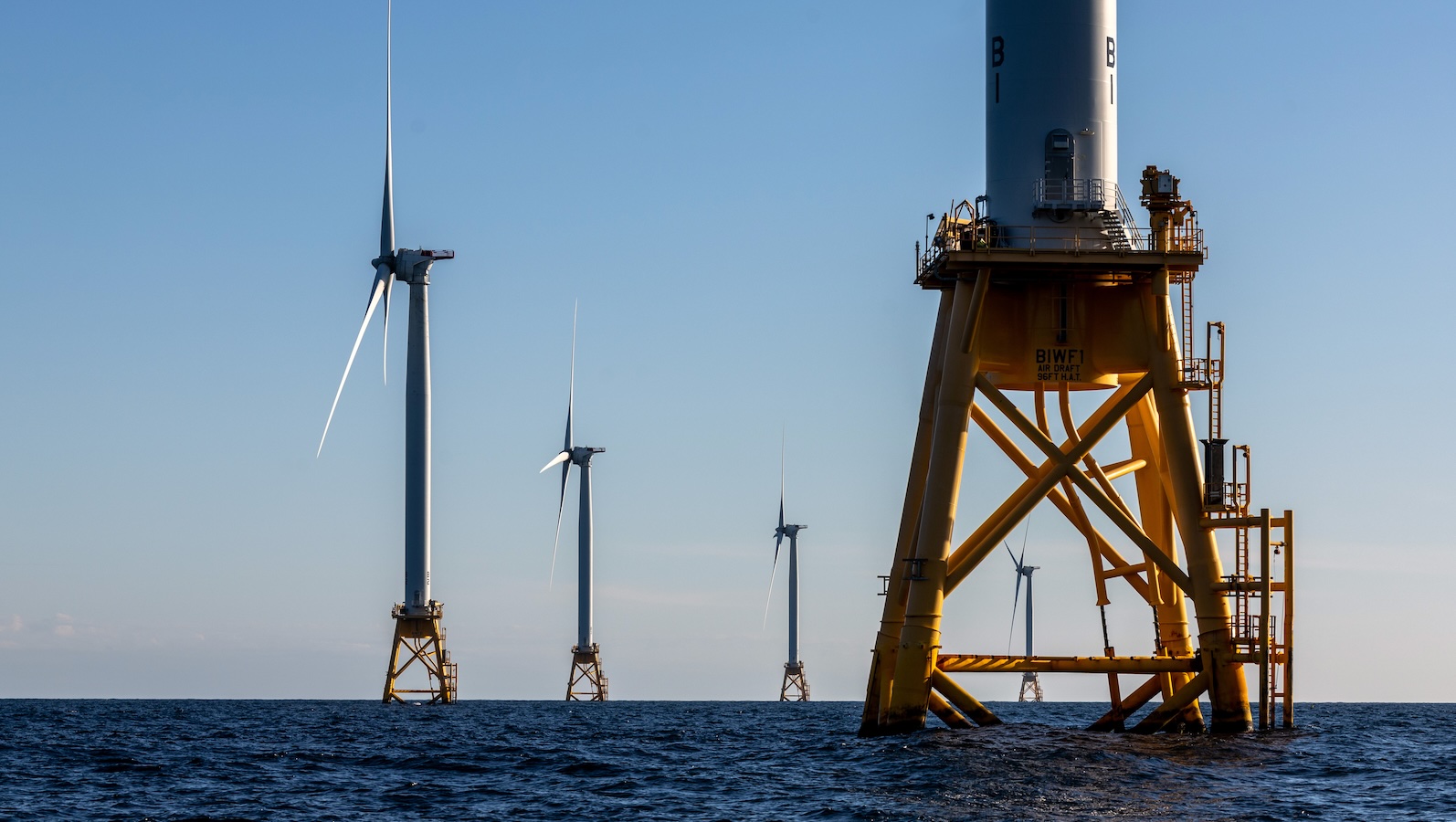
Louisiana’s offshore wind sector faces significant headwinds under the current administration, which has implemented sweeping policies to restrict the industry’s growth. Federal efforts include executive orders withdrawing federal waters from new offshore wind leases, halting permits for additional projects, and issuing stop-work orders for construction efforts. When legal challenges emerged, the administration shifted tactics by offering federal payments to wind developers to abandon their projects entirely.
Industry leaders in Louisiana are taking a long-term view of the situation, with state officials and business representatives openly discussing plans to preserve their expertise and infrastructure until January 21, 2029, when the current presidential term concludes. Developers have accepted approximately $4 billion in federal payments to relinquish 12 offshore wind leases, representing roughly 21 gigawatts of potential generating capacity. A planned 2-gigawatt wind farm south of Lake Charles, Louisiana, which was intended to supply electricity to approximately 350,000 homes in Louisiana and Texas, was among the abandoned projects.
Louisiana companies that previously supported offshore oil and gas operations had successfully transitioned to the renewable energy sector, and by 2024, Gulf-based firms were receiving nearly a quarter of all offshore wind work contracts in the United States, with approximately $1 billion in investments flowing to regional shipyards and fabrication facilities. Educational institutions including Nunez Community College and the University of New Orleans developed specialized programs to train workers for offshore wind careers.
The current industry slowdown has prompted some companies to pursue alternative markets in aerospace and defense sectors, while others have implemented budget reductions and workforce cuts. Industry executives describe the situation as a temporary obstacle, with the prevailing sentiment being that current policies represent a pause rather than a permanent halt to what they characterize as an emerging sector with substantial growth potential.
Article Attribution | Read More at Article Source
Article summary produced by Claude AI