

A comprehensive climate assessment released last week in BioScience examined 16 key planetary systems and found concerning trends across multiple indicators. The seventh annual State of the Climate report revealed that greenhouse gas emissions, sea level rise, glacier thickness, and ice mass are all moving in negative directions. Nearly half of the measured climate indicators—seven out of 16—are currently at record extremes, according to the analysis.
Concentrations of carbon dioxide, methane, and nitrous oxide reached record highs this year, primarily from fossil fuel combustion. Simultaneously, glacier thickness and Greenland ice mass declined to record lows. The report also tracks Earth’s energy imbalance, which measures the difference between solar energy absorbed and energy released back into space. This metric has been rising, indicating accelerating planetary warming. The authors emphasized that these shifts represent a current diagnosis of climate change’s impact rather than distant future warnings.
The report identifies concerning feedback mechanisms where existing warming could trigger additional emissions. Phenomena such as wildfires and permafrost thawing release greenhouse gases into the atmosphere while becoming more likely due to climate change itself. The authors also examined controllable human activities including agriculture, transportation, and energy usage that drive climate change.
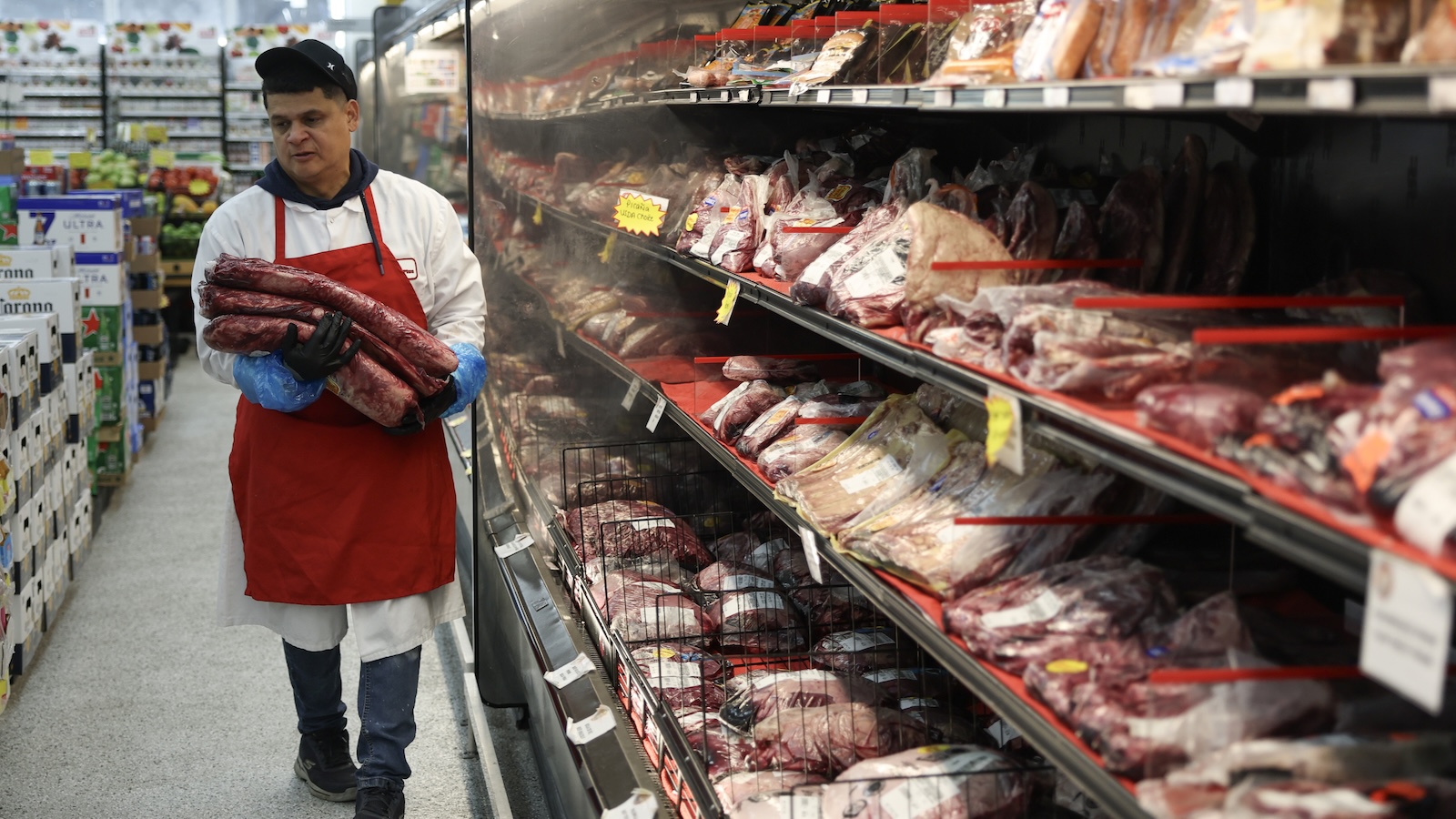
The analysis highlights agricultural practices as presenting significant opportunities for individual action. Ruminant livestock—cattle, sheep, and goats—emit methane during digestion. The number of these animals reached its highest level since the 1960s in 2024, while per capita meat production also hit record levels that same year. Methane proves particularly potent for trapping heat, with effectiveness 28 times greater than carbon dioxide, though it persists in the atmosphere for only approximately 10 years.
Researchers suggest that reducing meat consumption represents an efficient climate mitigation strategy. Producing less livestock would decrease methane emissions while also reducing deforestation driven by cattle ranching, which eliminates carbon-absorbing ecosystems. The current meat production system also operates inefficiently, requiring substantial land for grazing and crop production that primarily feeds livestock rather than people directly. Experts argue that shifting toward plant-based diets, particularly in high meat-consuming nations, could meaningfully address climate change.
Article Attribution | Read More at Article Source
Article summary produced by Claude AI