

A recently published State of the Climate report, released in BioScience, analyzed more than a dozen of Earth’s critical life-sustaining systems and found widespread deterioration across multiple indicators. The findings reveal that key climate metrics—including greenhouse gas concentrations, sea level rise, glacier thickness, and ice mass—are moving in negative directions. According to the report’s authors, these changes should no longer be viewed merely as warnings about future climate impacts but rather as present-day diagnoses of how global warming is already destabilizing the planet.
The analysis identified concerning trends in atmospheric composition, with carbon dioxide, methane, and nitrous oxide concentrations reaching record levels in 2024, primarily from fossil fuel combustion. Simultaneously, glacier thickness and Greenland ice mass have declined to record lows. The planet’s energy imbalance—the difference between solar energy absorbed and energy released back into space—continues to increase, indicating accelerating planetary heating. Among the sixteen climate indicators examined, seven were found to be at record extremes, and the report highlighted worrisome feedback mechanisms wherein existing warming triggers phenomena like wildfires and permafrost thaw that release additional greenhouse gases.
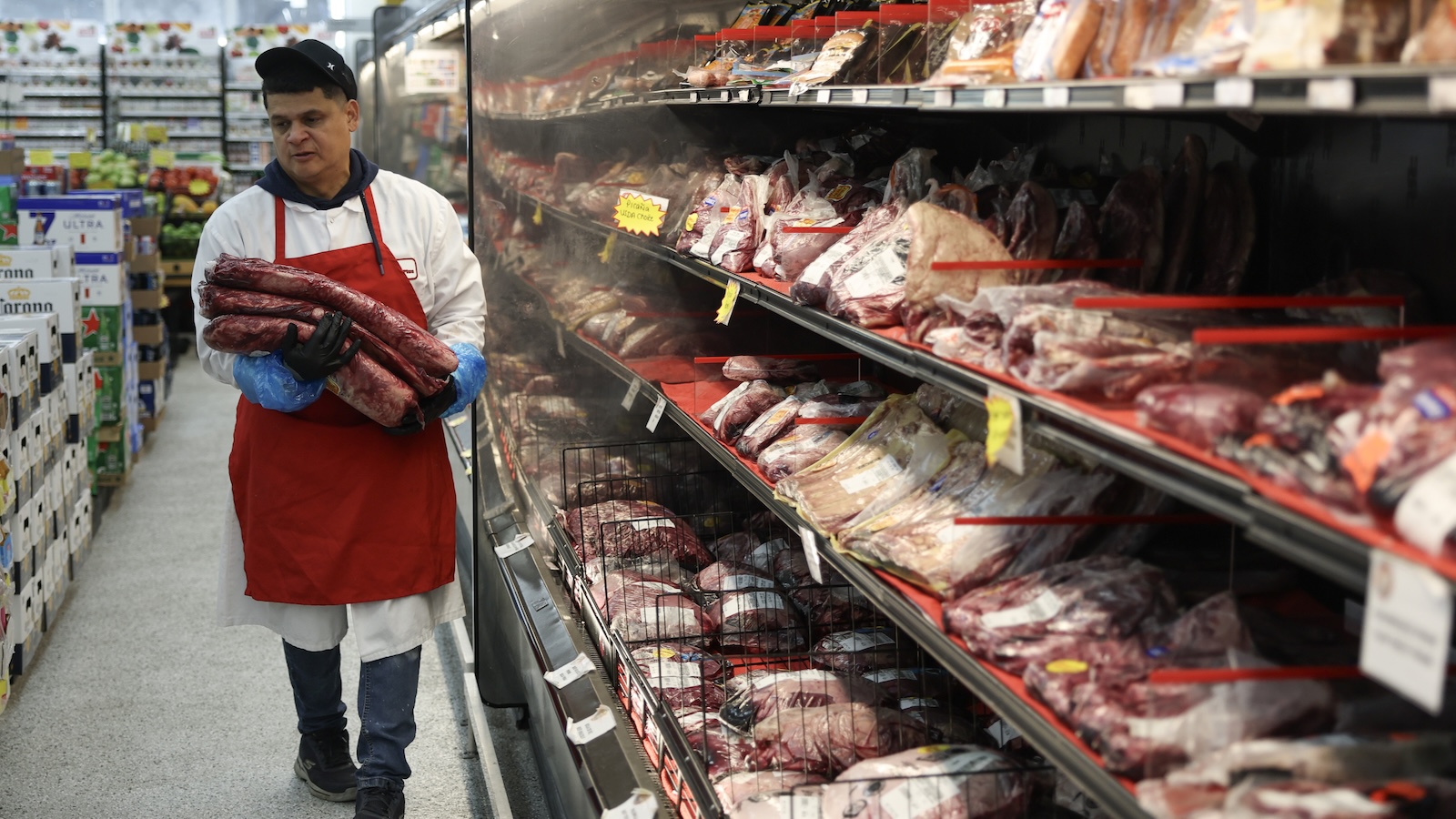
Beyond documenting climate indicators, the report’s authors examined human activities that drive climate change, identifying agriculture, transportation, and energy use as major contributors. The food system emerged as an area where individuals could most easily reduce their greenhouse gas footprint. Ruminant livestock—cattle, sheep, and goats—produce methane through their digestive processes, and populations of these animals reached their highest levels since the 1960s in 2024, while per capita meat production also hit record highs. Methane’s potency as a greenhouse gas, retaining heat approximately 28 times more effectively than carbon dioxide over a ten-year atmospheric lifespan, makes livestock farming a significant concern.
Researchers emphasized that reducing meat consumption represents a practical and impactful climate action strategy. Beyond methane emissions, cattle ranching drives deforestation, which eliminates important carbon-absorbing ecosystems. The inefficiency of current meat production systems was also highlighted, as livestock require substantial land for grazing and feed production, consuming productive agricultural capacity that could otherwise support carbon-sink ecosystems or direct food production for human consumption. Report authors concluded that addressing global warming necessitates fundamental changes to both dietary patterns and food production systems, particularly in wealthy nations with high meat consumption.
Article Attribution | Read More at Article Source
Article summary produced by Claude AI