

Election officials managing competitive congressional races this cycle will confront significant pressure to deliver rapid results, even as the practical reality of modern voting practices suggests that determining winners in close contests requires additional time beyond Election Day, according to election experts and administrators.
The delay in announcing winners stems from a distinction between actual ballot counting and media race calls. News organizations, including those relying on The Associated Press, project winners based on demographic data and early returns rather than waiting for complete ballot counts. When races feature wide margins, these projections occur quickly, creating the impression that results are final on election night. However, competitive races demand substantially more counted ballots before analysts can confidently declare a winner. States that both count votes slowly and host numerous competitive races experience the longest delays in result announcements.
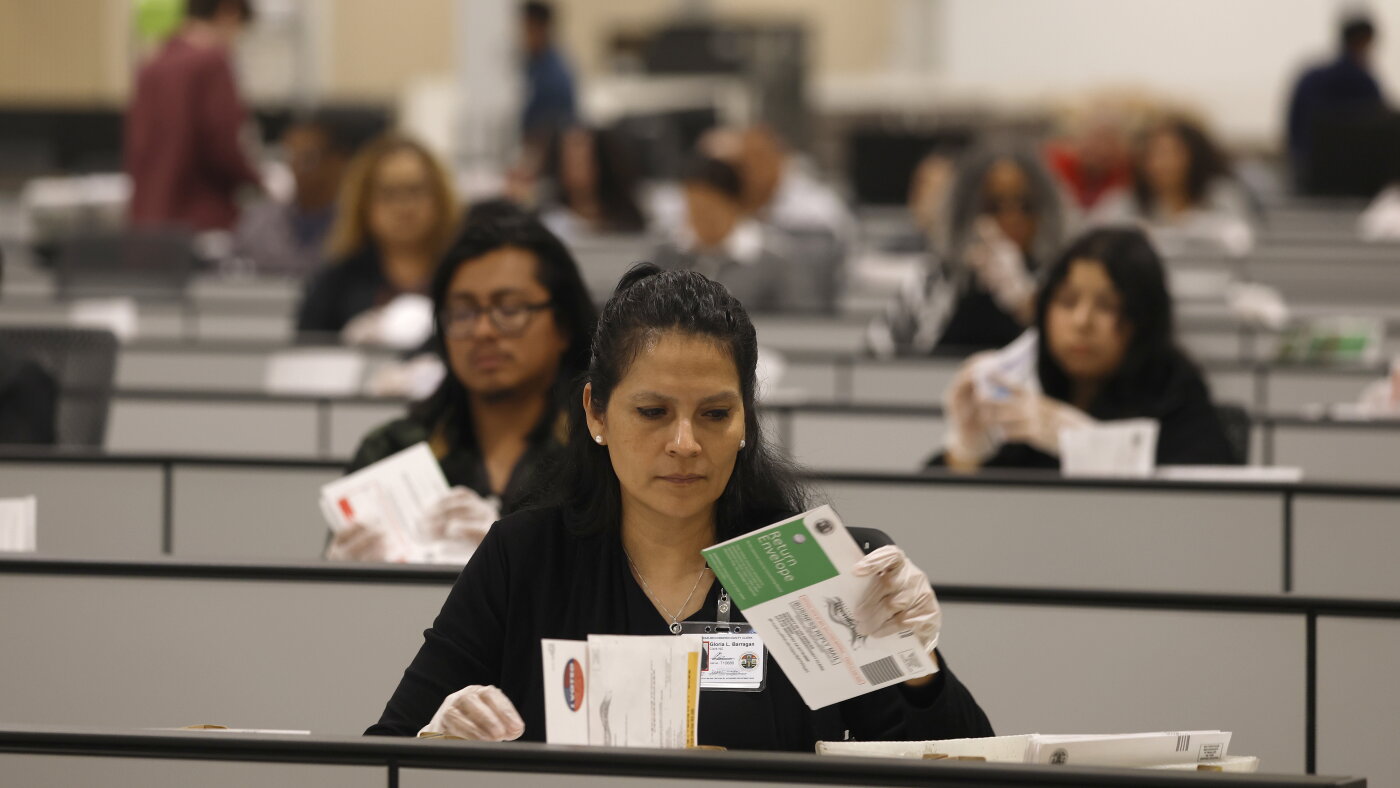
California exemplifies this dynamic. The state has competitive congressional districts that influence the balance of power in the U.S. House, combined with vote-counting procedures among the slowest nationally. Election experts note this combination creates conditions vulnerable to misinformation. The primary bottleneck involves mail ballots returned on Election Day itself. Because mail ballots require signature verification and envelope processing, they take longer to count than in-person votes. Some California counties see as much as 50 percent of mail ballots arriving on Election Day, delaying processing work until later in the week.
State officials have allocated $40 million toward accelerating the counting process, including funding for voter education campaigns. Advocates suggest that encouraging voters to cast ballots earlier or through alternative methods could ease processing logjams. Research from San Joaquin County found that postcards urging earlier voting increased participation in advance deadlines, suggesting public outreach may influence voter behavior and subsequently improve count speed. Officials emphasize that faster counting remains compatible with the state’s expansive voting access policies, which automatically mail ballots to all registered voters.
Article Attribution | Read More at Article Source
Article summary produced by Claude AI