

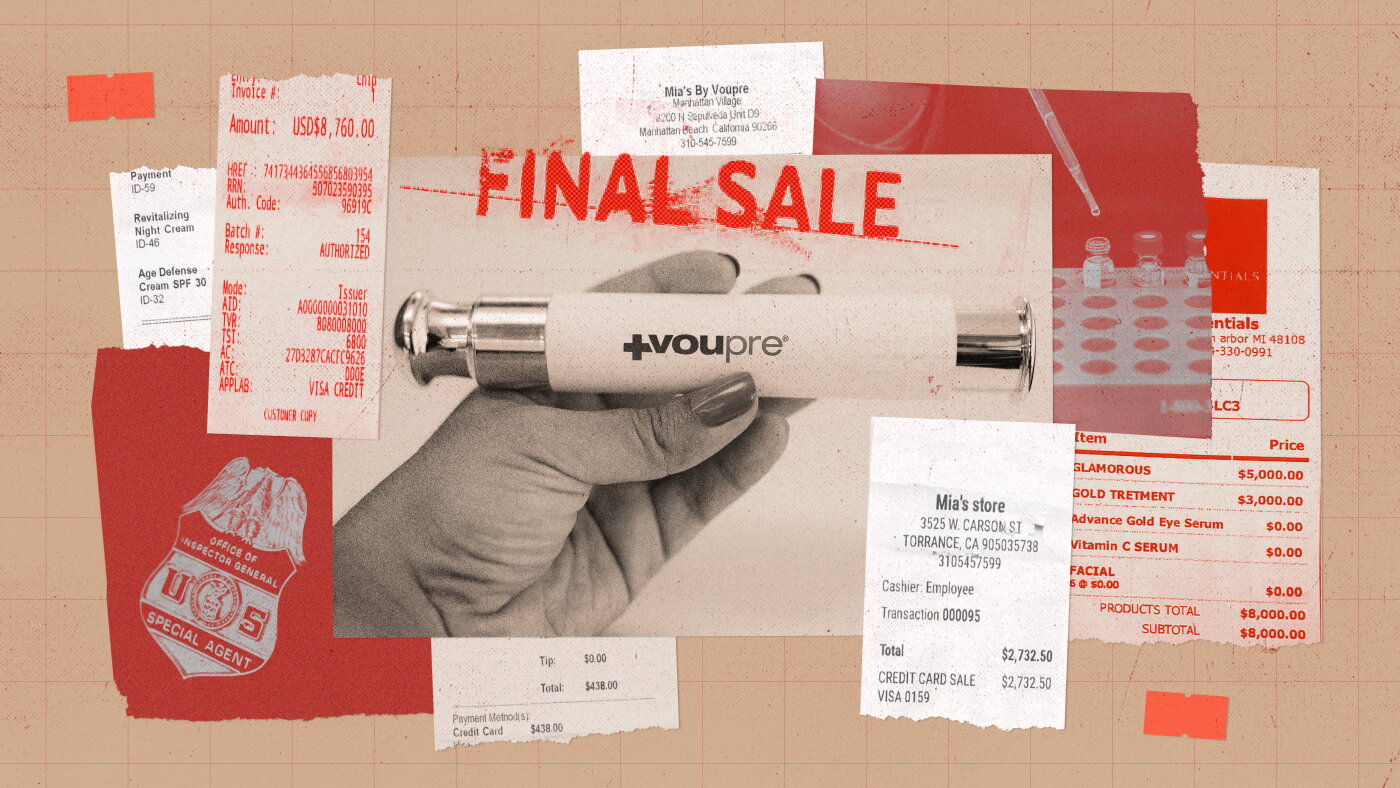
An investigation by NPR has documented a widespread pattern of aggressive skincare sales practices occurring in shopping malls and commercial districts across the United States. The operation involves multiple skincare brands managed by Mazal Group, a California-based company controlled by a single family, which supplies products to thousands of retail locations worldwide. Over the past year, NPR gathered accounts from more than 50 affected individuals, including customers, family members, and former employees, alongside hundreds of complaints filed with government agencies and court records.
Consumers reported experiencing consistent sales tactics that frequently targeted vulnerable populations, including elderly individuals and people with disabilities. According to accounts documented in state and federal lawsuits and consumer complaints, shoppers were approached outside stores with free product samples, then escorted or physically directed into retail locations. Once inside, salespeople allegedly subjected customers to extended sales pitches lasting an hour or more, sometimes in isolated back rooms, while refusing to accept refusals to purchase. The absence of price tags on products allowed salespeople to conduct negotiations and apply what they described as special discounts and complimentary items. Many customers reported that the amounts charged at registers far exceeded agreed-upon prices, with some describing instances where charges were increased tenfold or unauthorized additional card transactions were processed.
Specific documented cases revealed substantial financial harm to individuals. One Michigan resident with dementia was charged $42,000 for skincare products and devices without authorization, a situation discovered only when his credit score declined. A New Mexico woman alleged that a spa employee charged her $78,000 in undisclosed sales tax in addition to a $30,000 device purchase. A disabled woman in Hawaii reported being prevented from leaving a spa location for hours until she spent $2,600 on services.
The investigation identified additional legal concerns beyond consumer fraud complaints. Federal agencies had previously investigated individual operators for employment visa violations, resulting in more than a dozen guilty pleas related to visa fraud and money-laundering schemes. While the government had not brought similar charges in a decade, NPR reviewed social media evidence suggesting that some stores continued employing salespeople on tourist visas. An independent lab test commissioned by NPR also raised questions regarding whether certain products contained the ingredients claimed on their labels.
Although Mazal Group and the controlling family have publicly attributed responsibility to individual store owners, NPR obtained documents indicating that the company’s brands directed stores to apply abnormally high product markups while enforcing strict non-refund policies. The investigation documented that many customers attempted to report their experiences to police and regulatory authorities, though arrests remained rare.
Article Attribution | Read More at Article Source
Article summary produced by Claude AI