

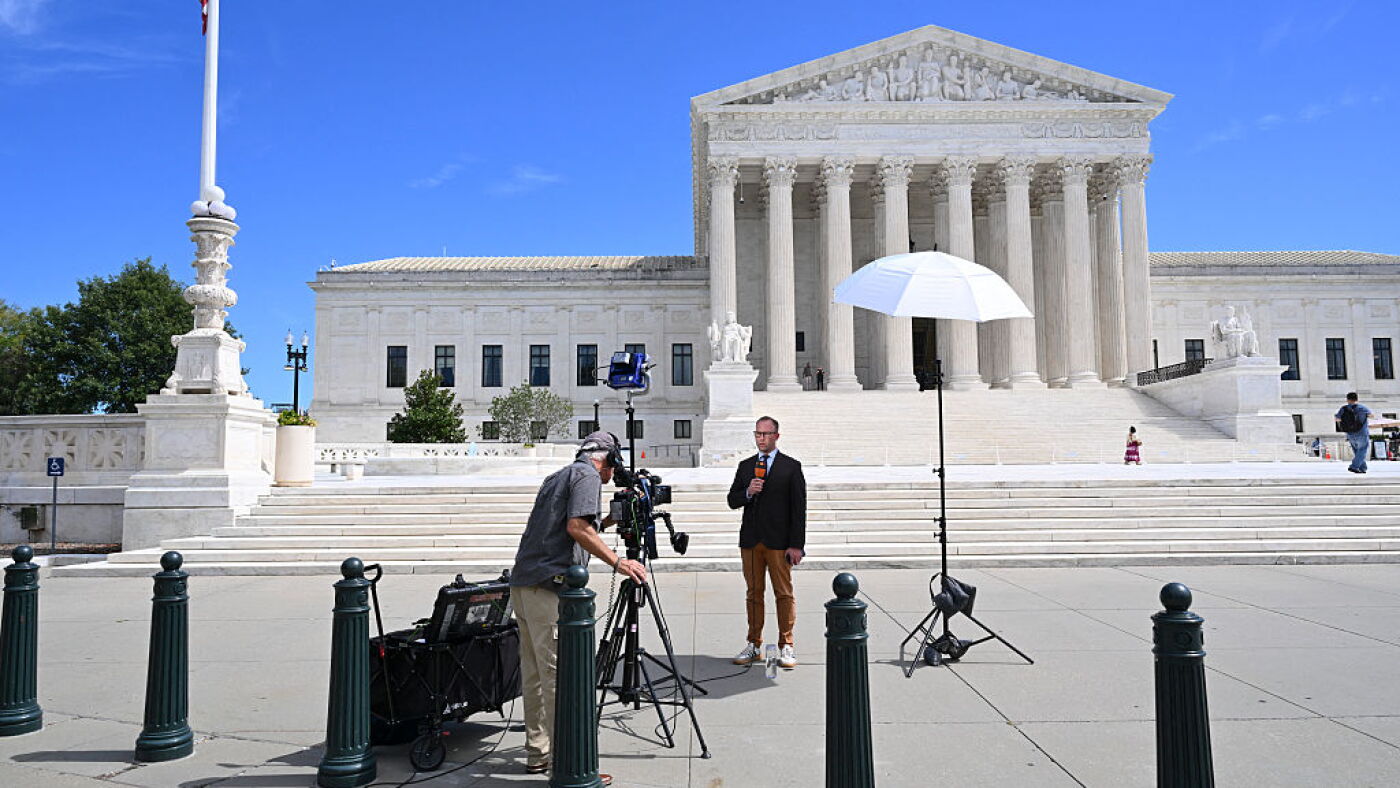
The U.S. Supreme Court opens its new term with a slate of cases addressing contentious constitutional questions. The court will consider whether state and local governments can pursue civil litigation against energy companies for allegedly misleading the public about climate change impacts. Another major case examines a Colorado preschool program that provides universal access to all families regardless of sexual orientation or gender identity, with a religious institution challenging whether it must accept LGBTQ students to receive state funding.
The composition of the current court has shifted its approach to religious liberty matters significantly. Legal observers note that the Supreme Court’s interpretation of the First Amendment has changed substantially from its historical emphasis on church-state separation toward greater protection for religious exercise claims. This reorientation could result in taxpayers funding religious schools that maintain admissions restrictions based on LGBTQ status, a development some constitutional scholars characterize as a reversal of precedent established over decades.
Second Amendment litigation will also feature prominently, with the court scheduled to decide whether states and localities can ban semi-automatic weapons such as the AR-15. The case presents competing considerations: whether such weapons pose regulatory targets due to their firing capacity, or whether restrictions on commonly owned firearms conflict with constitutional gun rights.
The court will also address immigration policy questions, specifically whether the Department of Homeland Security may deport migrants to third countries when their nations of origin refuse readmission. The Trump administration has pursued legal positions in immigration matters that prior administrations declined to advance.
Legal scholars have noted changes in how the court operates, with emergency docket filings increasing while fully briefed cases have declined. Emergency decisions are issued with minimal explanation and without oral arguments, creating challenges for lower courts seeking guidance on legal principles.
Article Attribution | Read More at Article Source
Article summary produced by Claude AI