

A lawsuit filed by the city and county of Boulder, Colorado, against Suncor and Exxon Mobil over climate adaptation costs has attracted unusual supporters, including ranchers and conservative legal scholars, as the case approaches oral arguments before the Supreme Court.
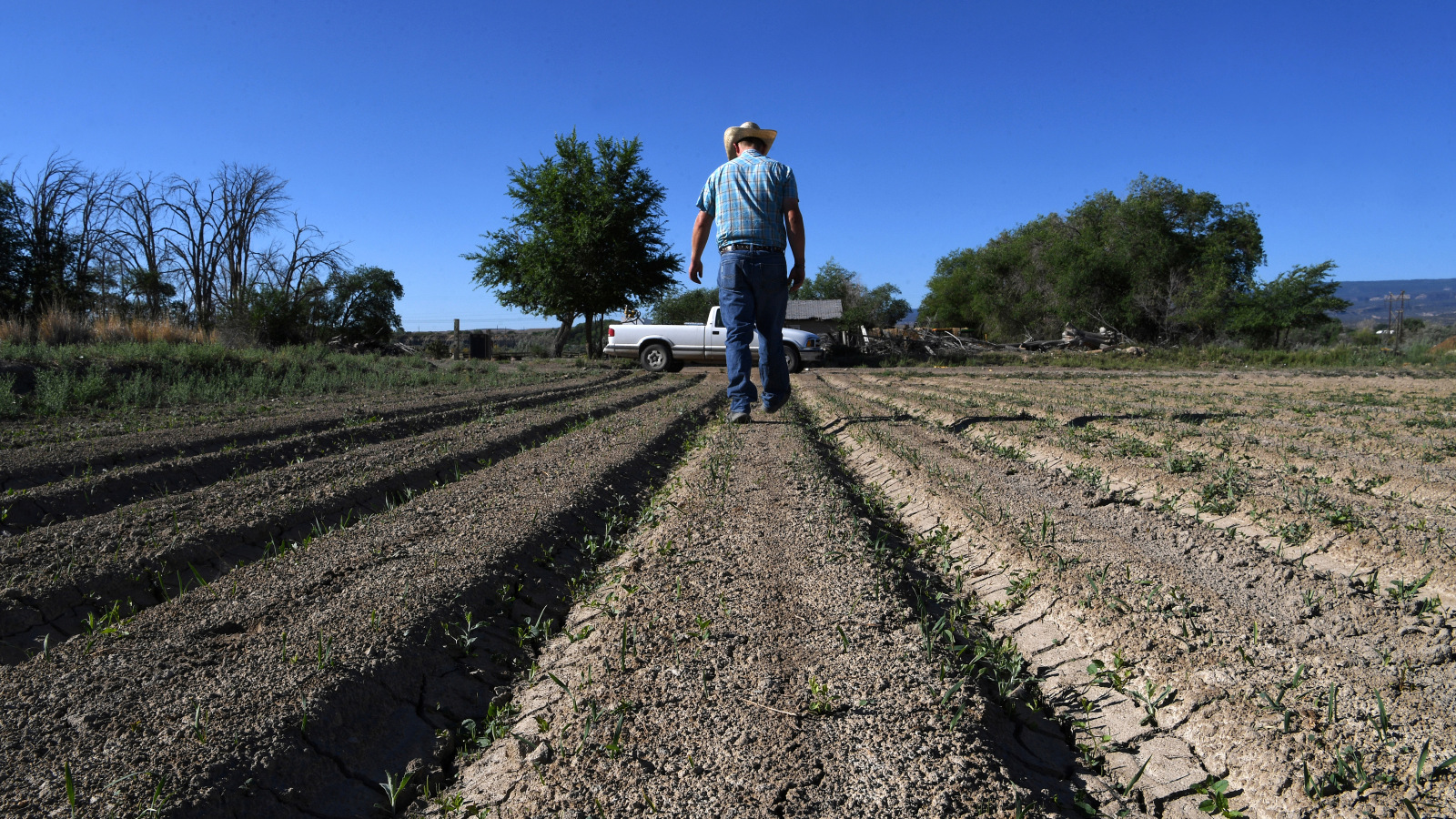
The case centers on whether oil companies should be held financially responsible for mounting expenses related to extreme weather events, including wildfires, droughts, and flooding. Local ranchers, represented by advocates like Deirdre Macnab, have witnessed significant losses from these climate-related disasters. During one particularly severe fire in Colorado, dozens of cattle perished, and recent heat and drought conditions forced ranchers to spend thousands on feed and water, with some facing potential bankruptcy. The ranchers filed briefs urging the Supreme Court to allow the case to proceed, arguing that local governments cannot continue absorbing escalating climate costs while maintaining essential services.
The oil companies contend that federal law, specifically the Clean Air Act, shields them from liability in state courts and that broader constitutional restrictions on state authority prevent the lawsuit from moving forward. However, this legal defense has drawn criticism from unexpected quarters. Conservative legal scholars, including environmental law professor Jonathan Adler from William & Mary Law School, have argued that nothing in federal law or the Constitution prevents the case from proceeding in state court. Former Environmental Protection Agency leaders appointed by Republican presidents, Christine Todd Whitman and William Reilly, have also endorsed this position.
The Supreme Court’s composition may influence the outcome, particularly after Justice Samuel Alito, who has financial ties to oil companies, recused himself from the case. This development makes it more challenging for oil companies to secure the five votes needed for a majority decision in their favor. The litigation carries significant implications for climate accountability efforts, as it will help determine whether companies can be held liable for deception regarding fossil fuel dangers and who ultimately bears the costs of climate adaptation.
While support for the lawsuit largely follows partisan lines, with Democratic states and environmental groups backing Boulder and Republican-affiliated interests supporting the oil companies, the involvement of conservative voices represents a notable exception to this pattern.
Article Attribution | Read More at Article Source
Article summary produced by Claude AI