

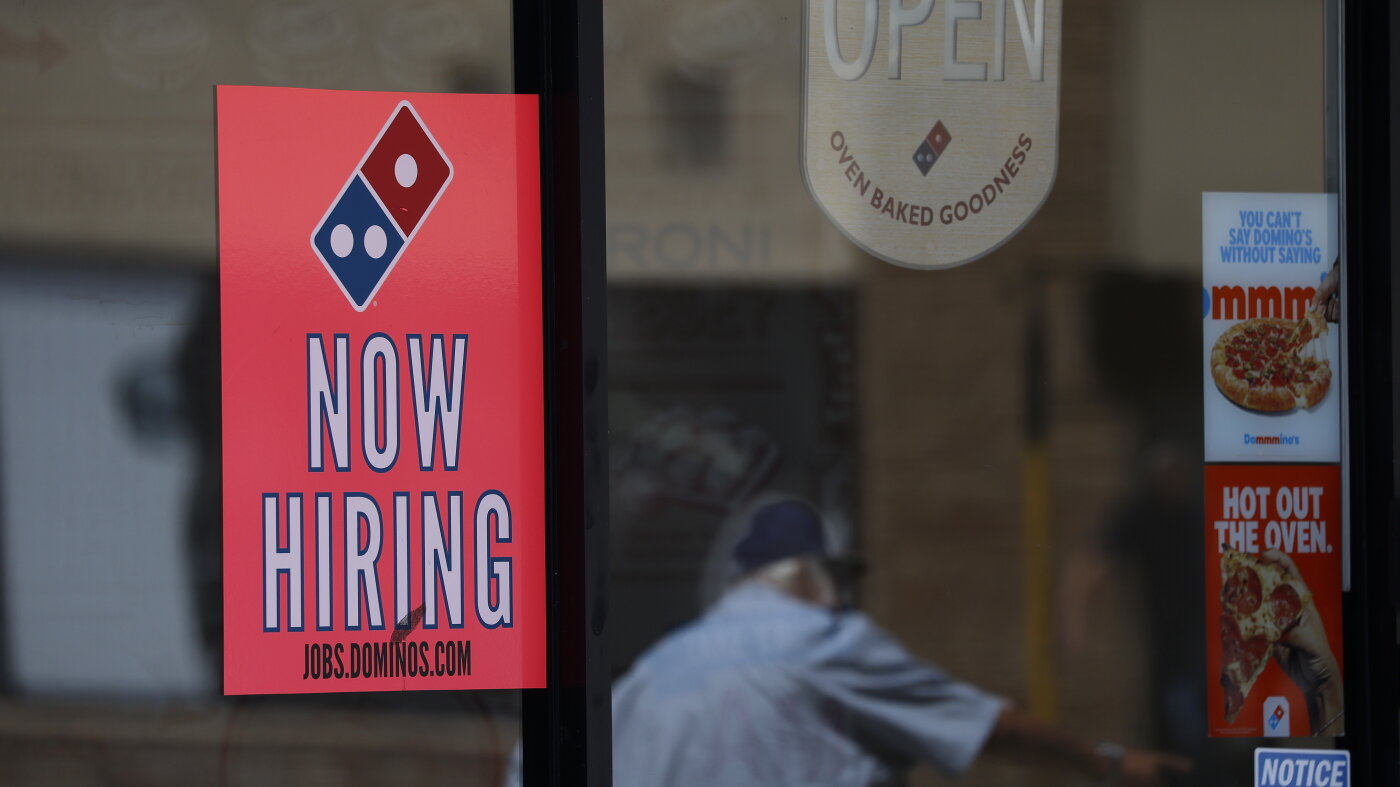
The Labor Department reported Friday that U.S. employers added 29,000 jobs in September, a substantial shortfall from analyst forecasts. The month’s gains were accompanied by downward revisions totaling 60,000 positions for July and August combined, with July’s employment figures turning negative following the adjustment.
Most industry sectors continued adding workers, though at diminished rates. Financial services and government employment declined during the period. The healthcare sector, which has historically served as a reliable source of job growth, added only 17,000 positions. Restaurants and bars accounted for roughly one-third of September’s total job additions with 11,000 new positions.
Wage growth moderated in September, rising 3% compared to the same period a year prior, a slower pace than the previous month. Economists noted this increase appeared insufficient to maintain workers’ purchasing power against recent price increases. Sarah House, senior economist at Wells Fargo, characterized the employment picture as difficult for job seekers and those entering the labor force, citing reduced worker turnover that limits opportunities for new entrants.
The unemployment rate rose to 4.2% in September from 4.1% the previous month, driven in part by 485,000 additional workers entering the labor force. The share of working-age adults participating in the labor force edged upward by two-tenths of a percentage point.
The Federal Reserve had raised its benchmark interest rate by a quarter percentage point two weeks prior in an inflation-fighting measure. Market analysts and investors adjusted expectations regarding future rate decisions following the weak employment report, with analysts viewing additional increases as less probable at the central bank’s later-this-month policy meeting, though many still anticipate at least one more rate increase before the end of the year.
Article Attribution | Read More at Article Source
Article summary produced by Claude AI