

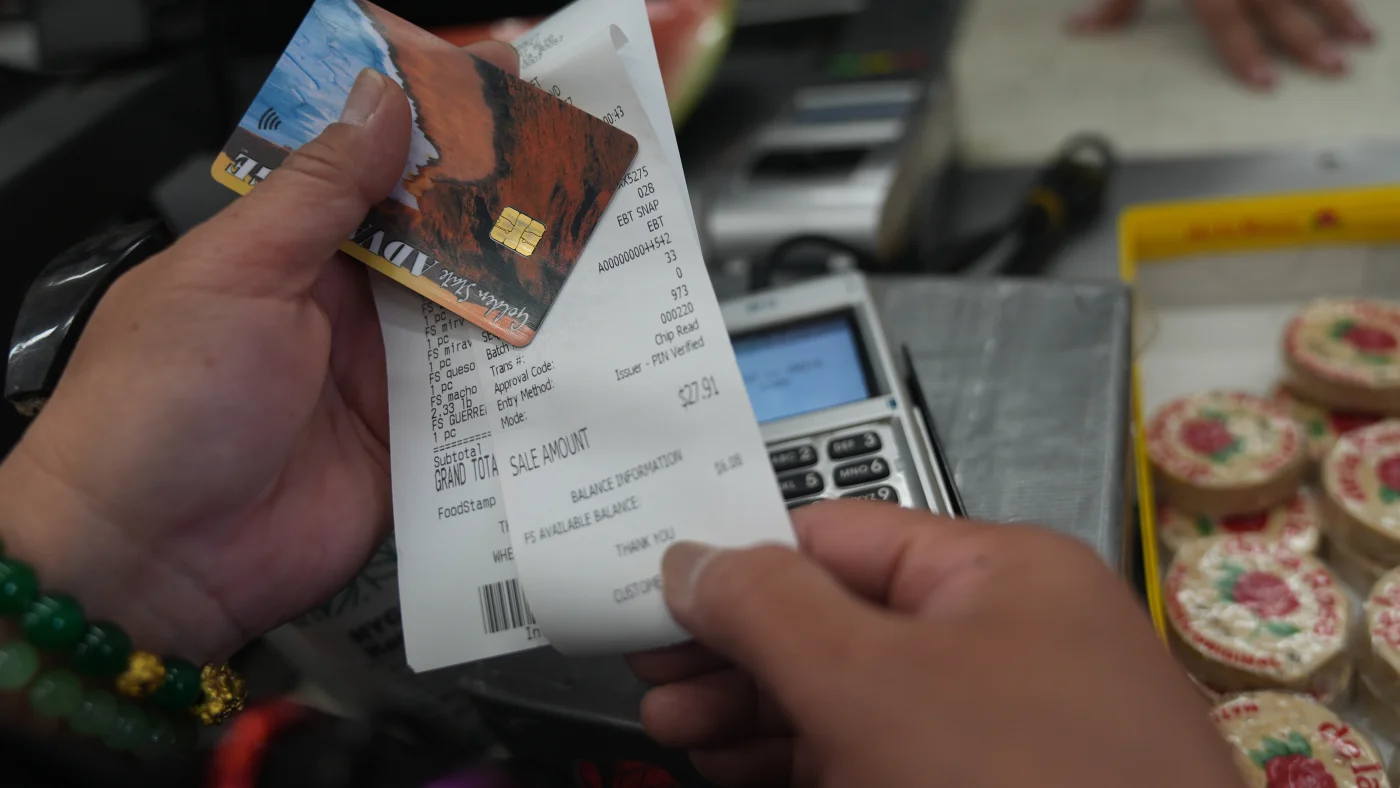
The Trump administration has introduced a proposed rule requiring states to enhance the security features on Electronic Benefits Transfer (EBT) cards used by Supplemental Nutrition Assistance Program (SNAP) recipients. The initiative targets card skimming, a form of fraud where thieves extract personal information from payment terminals to drain funds from accounts. Currently, most SNAP cards rely on magnetic stripe technology, which security experts consider vulnerable to such attacks.
The proposed rule, released by the U.S. Department of Agriculture last week, mandates that all states adopt chip-enabled EBT cards and requires retailers accepting SNAP benefits to install payment terminals supporting tap-to-pay functionality. These technologies have been standard on bank cards for over a decade and offer significantly stronger data protection. According to the USDA, fewer than one-third of states have either completed the transition or begun implementation.
Theft from SNAP accounts represents a substantial problem. The USDA Office of Inspector General projected potential losses of $233 million between 2025 and 2026 due to skimming, while a recent investigation found that $470 million was stolen electronically from SNAP recipients in the prior year. In most states, stolen benefits are not replaced, forcing recipients to make difficult choices regarding food access and household finances.
Cost has historically been the primary barrier to modernization. Chip-enabled cards cost approximately ten times more to produce than magnetic stripe cards, straining state budgets already facing new pressures. The USDA acknowledged this financial challenge in its proposed rule while arguing that the investment is necessary to protect federal funds. The department is considering a two-year implementation deadline following the final rule’s publication and has indicated interest in hearing from states about cost concerns, though it did not commit to providing federal funding assistance.
The public comment period extends 60 days from the rule’s release. The USDA estimates the changes will prevent at least $1.5 billion in theft losses over the next decade. The modernization effort has received bipartisan congressional support and endorsement from state officials and federal watchdogs.
Article Attribution | Read More at Article Source
Article summary produced by Claude AI