

The Endangered Species Act, described by the Supreme Court as the most comprehensive wildlife preservation legislation ever enacted, has been instrumental in preventing the extinction of nearly 300 U.S. species over recent decades. The law’s effectiveness has largely depended on two critical provisions: the prohibition on “taking” endangered species, defined broadly to include harassment and habitat degradation, and the requirement that federal activity or development projects consult with the U.S. Fish and Wildlife Service or obtain permits before proceeding.
Last month, the Trump administration implemented significant reinterpretations of these foundational provisions. The changes narrow the definition of “take” to apply only to intentional killing of endangered species, effectively removing protections against incidental harm. Additionally, the administration determined that destroying habitat where threatened or endangered species breed, feed, and shelter would no longer face federal penalties. Environmental law organizations have characterized these changes as unprecedented in scope, with nearly two dozen state attorneys general filing legal challenges in response.
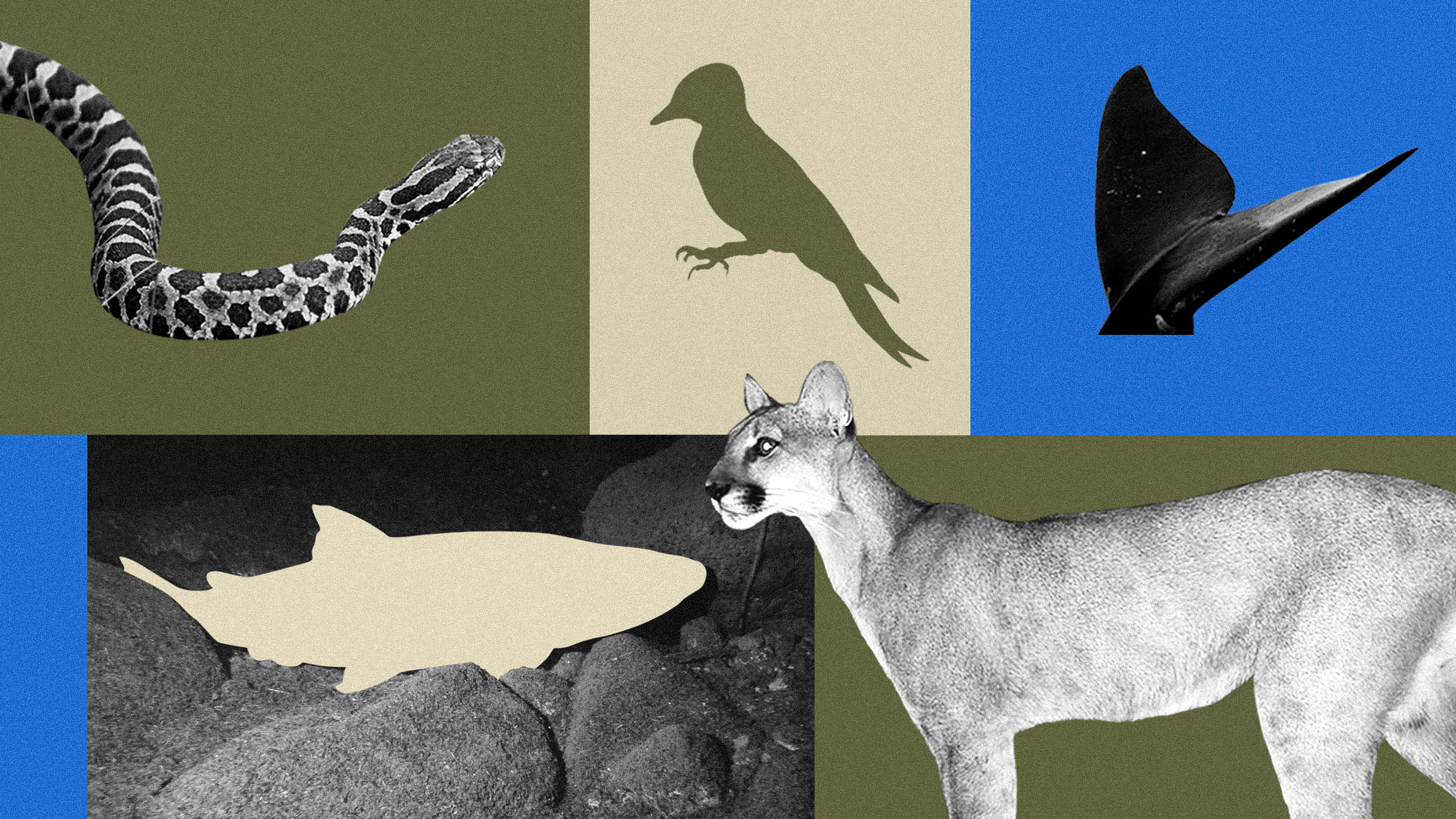
Experts warn that the regulatory changes could have immediate and severe consequences for vulnerable species. North Atlantic right whales, already experiencing an unusual mortality event with only about 380 individuals remaining and just 70 breeding females, face particular risk as ocean speed restrictions designed to prevent vessel strikes are rescinded. The administration’s new interpretation of “take” is expected to provide legal justification for eliminating such protections.
Other species facing heightened vulnerability include the eastern massasauga rattlesnake, the only venomous snake in Michigan. The species was listed as threatened in 2016 after more than a third of its surveyed habitat sites became at risk due to wetland loss from development and climate change. Federal protections have conserved millions of acres of wetlands in the region, but the narrowed definitions are expected to undermine these conservation gains. Environmental advocates contend that climate change compounds these risks, as species struggle to adapt to shifting ecosystems amid reduced legal safeguards.
Article Attribution | Read More at Article Source
Article summary produced by Claude AI