

The Endangered Species Act, once described by the Supreme Court as the most comprehensive endangered species legislation ever enacted, has served as a foundation for protecting nearly 300 U.S. species from extinction, including bald eagles, American alligators, and grizzly bears. The law’s effectiveness has hinged on two key definitions: “take” and “harm.” The “take” provision criminalized actions such as harassing, harming, pursuing, hunting, shooting, wounding, killing, trapping, capturing, or collecting at-risk species. The “harm” provision ensured that habitat degradation could result in penalties.
Last month, the Trump administration made significant changes to how these terms are interpreted. The administration determined that destroying habitat where endangered or threatened species breed, feed, and shelter would no longer face federal penalties. In a separate memo, the administration also reinterpreted “take” to apply only to instances of intentional killing of endangered species. These changes have prompted legal challenges, with nearly two dozen state attorneys general filing lawsuits against the modifications. Environmental law experts have characterized the changes as an unprecedented assault on species protections, designed to eliminate habitat safeguards, remove automatic protections for threatened species, and grant industry greater discretion.
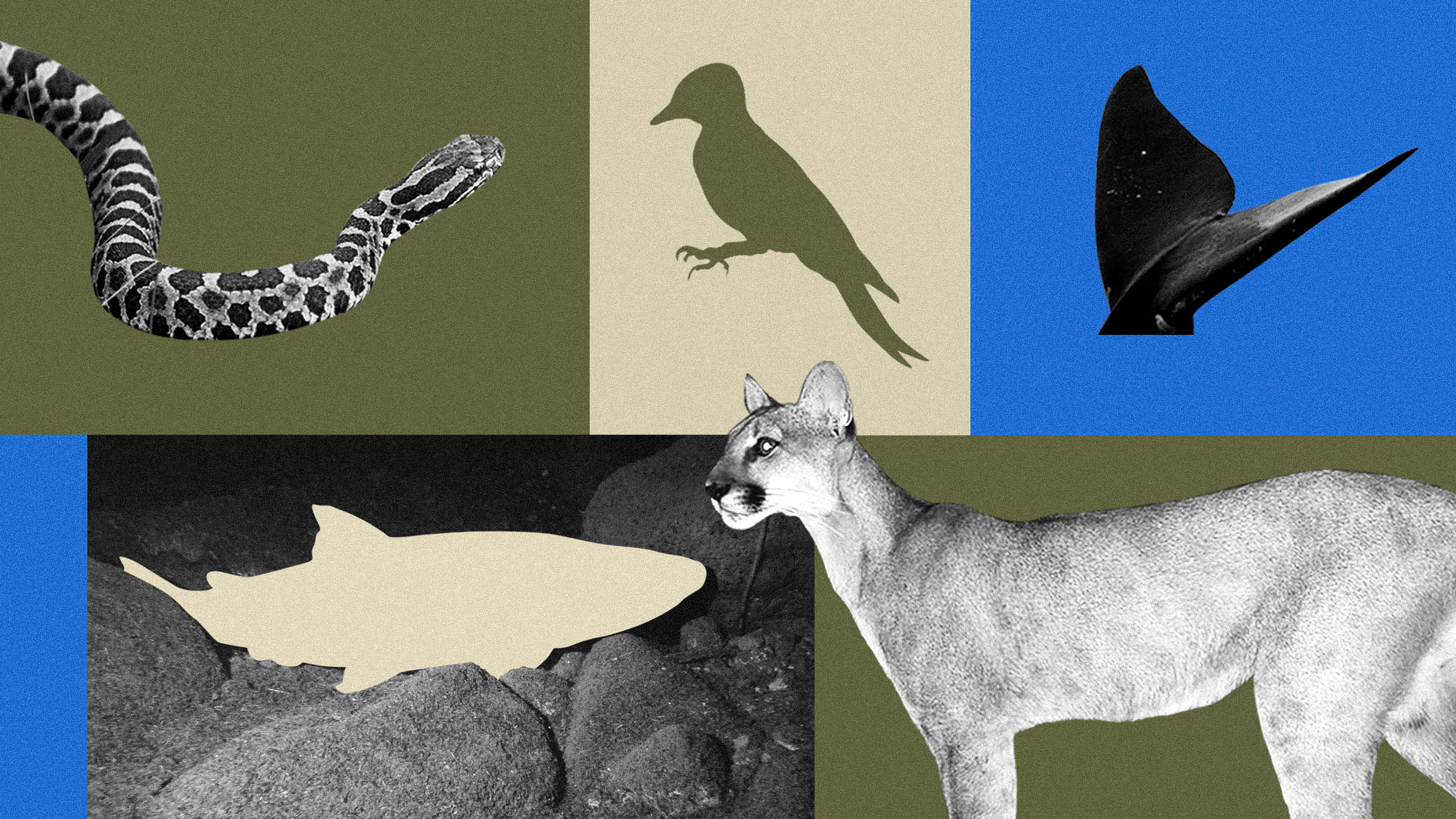
The North Atlantic right whale exemplifies the vulnerability created by these regulatory changes. Once hunted nearly to extinction, the species has faced new threats from ship strikes and fishing gear entanglement rather than intentional hunting. Approximately 380 whales remain, with only 70 breeding females. The population has experienced an unusual mortality event since 2017, with 43 deaths and 133 spotted injured or in poor health. The Trump administration previously announced plans to rescind ocean speed restrictions designed to prevent vessel strikes and declined to expand critical habitat designations. Under the new interpretation of “take,” the administration may argue that incidental deaths from human activity fall outside regulatory scope.
The eastern massasauga rattlesnake, Michigan’s only venomous snake species, faces similar challenges. Listed as threatened in 2016, the snake inhabits shrinking wetlands across the Midwest that have been fragmented by development, drainage, and climate change. More than a third of surveyed sites where the species has been documented are at risk of habitat loss. While previous federal protections helped conserve millions of acres of wetlands, the recent changes to the Endangered Species Act interpretation threaten to undermine these conservation gains.
Article Attribution | Read More at Article Source
Article summary produced by Claude AI