

The Endangered Species Act, characterized by the Supreme Court as the most comprehensive wildlife preservation legislation enacted by any nation, has been instrumental in saving approximately 300 U.S. species from extinction, including bald eagles, American alligators, and grizzly bears. The law has functioned through the U.S. Fish and Wildlife Service evaluating and listing species as endangered or threatened, requiring consultation and permits before federal activities or private development could harm listed species or their habitats.
Two key provisions have formed the foundation of the law’s effectiveness: the prohibition on “taking” an animal, which criminalized harassment, harm, pursuit, hunting, shooting, wounding, killing, trapping, capturing, or collecting at-risk species, and the habitat “harm” provision, which penalized degradation of listed species’ breeding, feeding, and shelter areas. Last month, the Trump administration substantially reinterpreted both provisions. The administration determined that destroying habitat where endangered or threatened species breed and live would no longer face federal penalties. Additionally, an internal memo redefined “take” to apply only to instances of intentional killing. Nearly two dozen attorneys general have filed lawsuits challenging some of these modifications.
Environmental law experts describe the changes as unprecedented in scope. Elizabeth Forsyth, a senior attorney with nonprofit environmental law organization Earthjustice, characterized the rule changes as “an assault on threatened and endangered species unlike we’ve ever seen before,” designed to eliminate habitat protections and restrict automatic protections for threatened species while expanding industry authority. The situation is being compounded by climate change, which is forcing species to adapt to warming temperatures and shifting ecosystems.
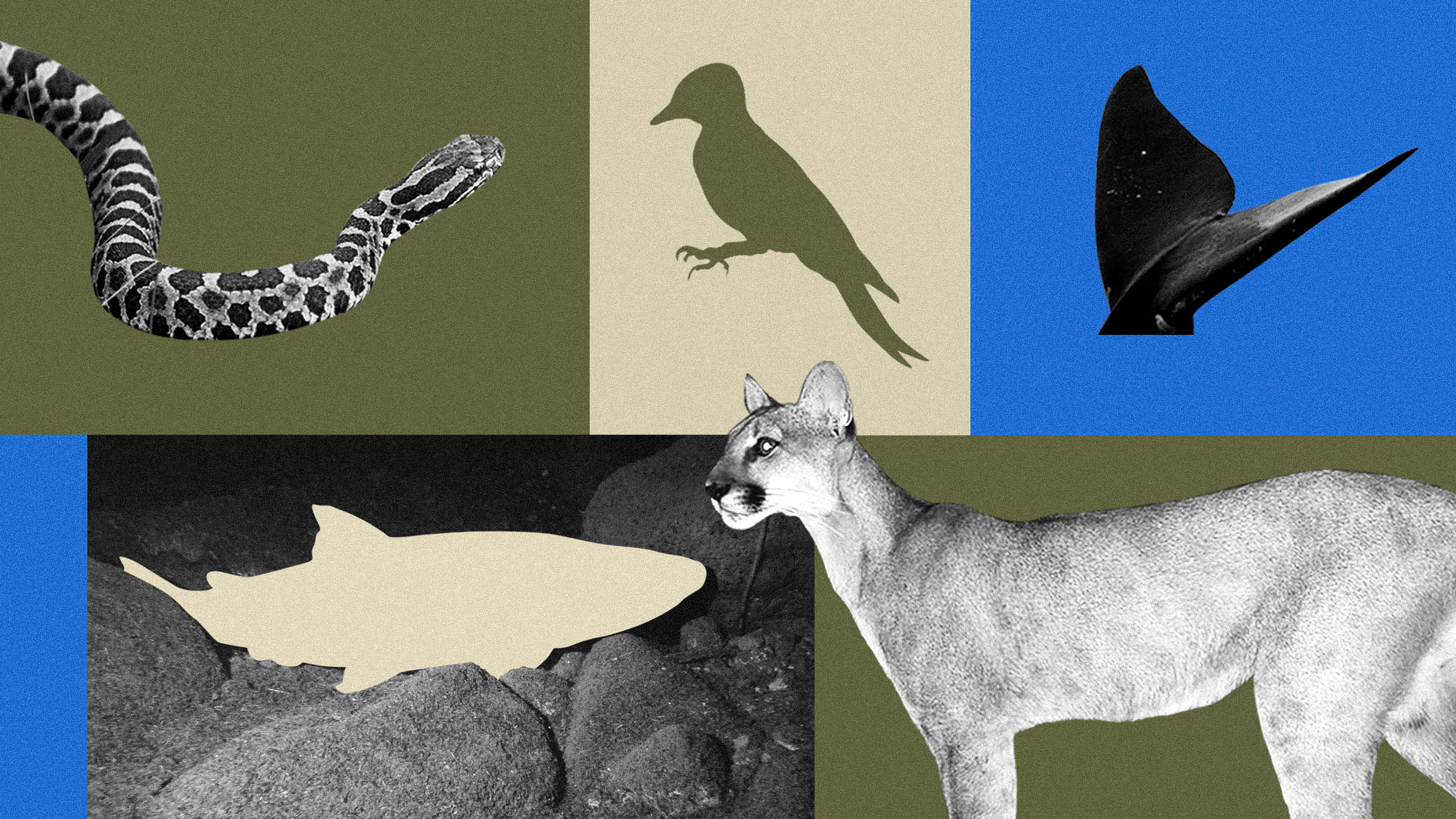
Specific species face immediate vulnerability under the revised framework. North Atlantic right whales, numbering only about 380 with approximately 70 breeding females, have experienced an unusual mortality event since 2017 involving 43 deaths and 133 injured or sickened individuals, primarily from ship strikes and fishing gear entanglement. The administration had already begun rolling back protections by rescinding ocean speed restrictions and declining to expand critical habitat designations. Eastern massasauga rattlesnakes in the Midwest face threats as more than one-third of surveyed sites risk habitat loss, with recent wetland acreage declines from development and climate change fragmenting remaining populations and reducing genetic diversity.
Article Attribution | Read More at Article Source
Article summary produced by Claude AI