

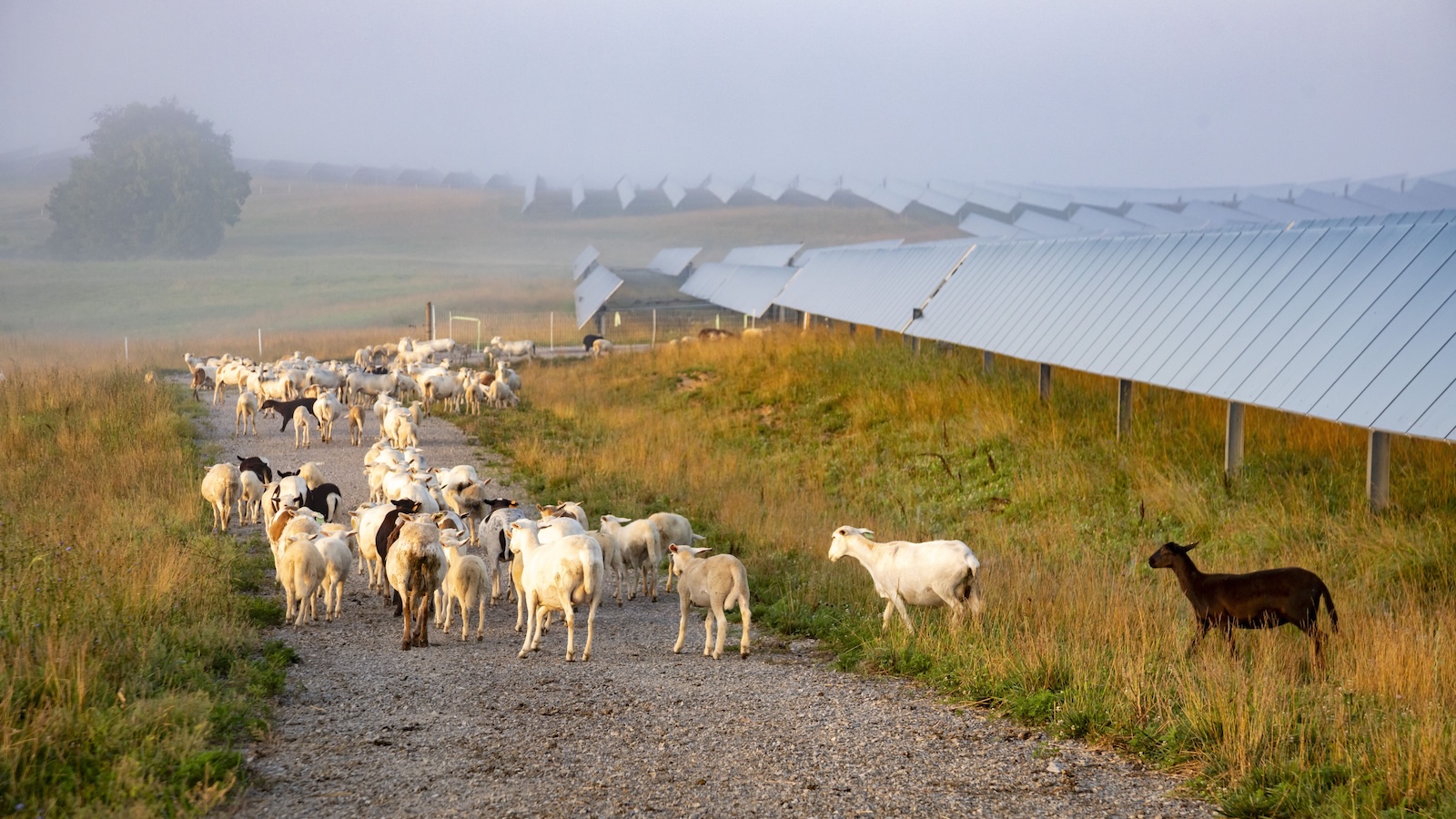
The U.S. Department of Agriculture announced regulatory changes to the Rural Energy for America Program that take effect today, October 16, substantially restricting solar development funding for agricultural producers and rural small businesses. The modifications represent the latest in a series of policy shifts that environmental advocates and farming organizations contend have rendered the program largely inaccessible.
Solar installations on farmland typically require substantial upfront costs that many agricultural operations lack the capital or financial flexibility to undertake independently. REAP has historically provided grants and loan guarantees to facilitate these projects, which offer participants multiple economic advantages. Beyond reducing electricity expenses for farm operations, excess generated power can be sold back to the electrical grid, providing supplementary revenue streams. For farming communities confronting rising expenses related to fertilizer, fuel, labor, and seed, these systems have functioned as important tools for financial stability.
The Iowa Farmers Union and Environmental Law and Policy Center filed a lawsuit in September 2025 challenging earlier REAP modifications, arguing the changes contradict Congressional intent in establishing the program during 2008 and violate administrative procedure requirements. The plaintiffs contend that the USDA has fundamentally misinterpreted its mandate. USDA officials stated the policy protects productive farmland from conversion to solar use, while the agency’s representatives emphasized concerns about preserving agricultural production capacity.
The October 1 rule changes incorporate provisions barring projects using components manufactured in designated foreign adversary nations from receiving REAP support. Since substantial portions of solar system components originate from China, this requirement effectively eliminates most new solar development eligibility. Additional modifications extend the funding timeline, requiring systems to operate for one year before applicants qualify for reimbursement consideration. Legal representatives characterize these adjustments as deepening restrictions on solar initiatives within the once-accessible rural energy assistance program.
Article Attribution | Read More at Article Source
Article summary produced by Claude AI