

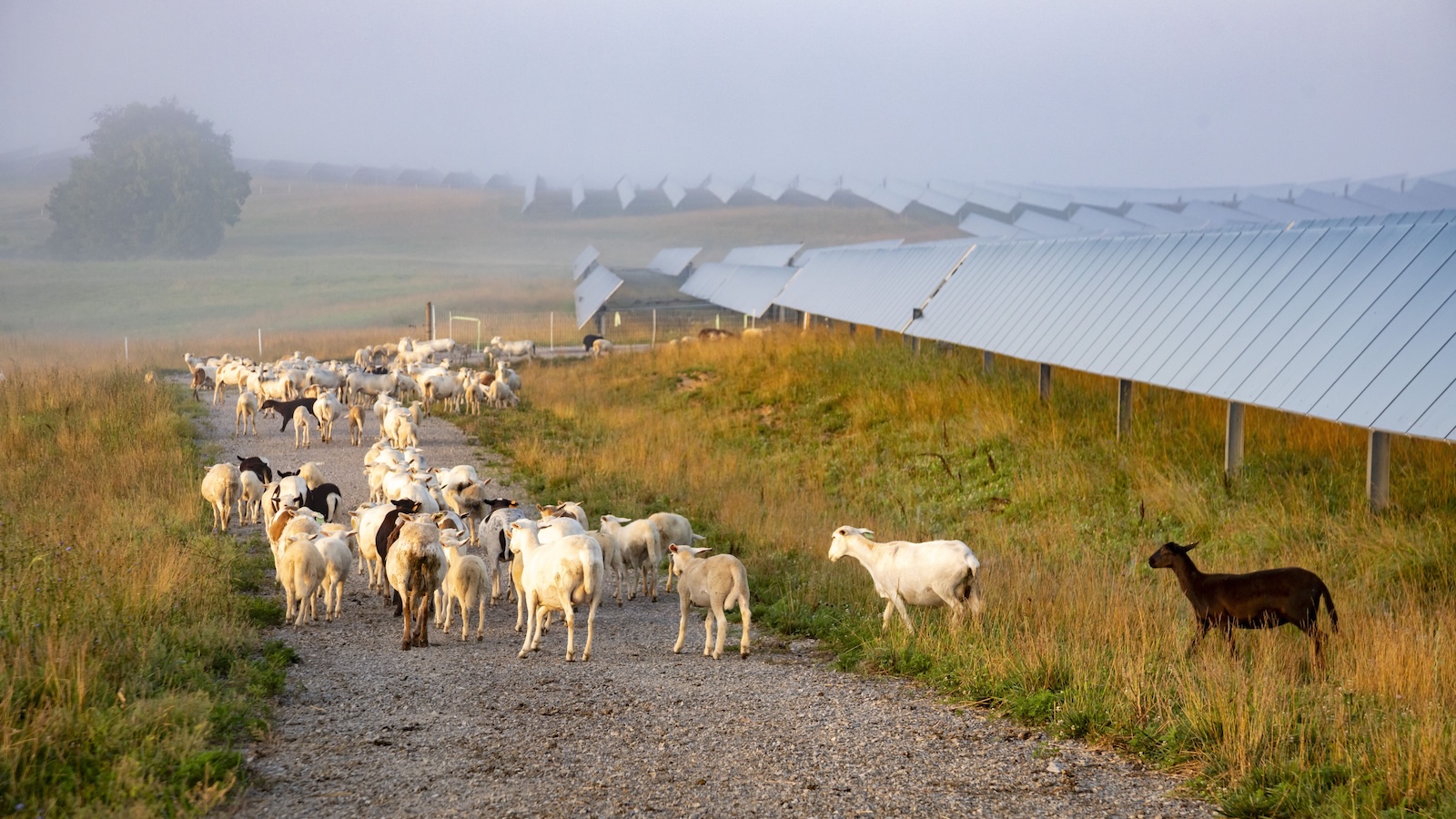
The U.S. Department of Agriculture announced rule changes effective today that render solar power projects ineligible for funding through the Rural Energy for America Program, a longstanding initiative designed to support renewable energy development by agricultural producers and rural businesses. The modifications represent the latest in a series of policy shifts by the current administration that environmental advocates contend have fundamentally undermined the program’s viability.
The REAP program has historically enabled farmers to offset substantial upfront costs associated with installing solar systems, which can reach tens of thousands of dollars. Beyond reducing operational expenses through lower utility bills, participating farmers have been able to generate additional revenue by selling surplus energy back to the electrical grid. For agricultural producers confronting rising expenses for inputs such as fertilizer, fuel, labor, and seeds, these financial benefits have provided meaningful relief during economically challenging periods.
The latest regulatory changes include restrictions on solar or wind installations on cropland containing any components manufactured by designated foreign adversaries—a provision that effectively bars most solar projects given that the majority of system components are manufactured in China. The rules additionally require applicants to operate energy systems for one year before becoming eligible for reimbursement, substantially lengthening the timeline for receiving financial support.
These modifications follow an executive order issued the previous year directing the federal government to cease subsidizing renewable energy sources. A lawsuit filed in September challenges the earlier restrictions imposed under the new administration, arguing they violate both the REAP statute established by Congress in 2008 and the Administrative Procedure Act. The USDA has stated its position that protecting productive farmland from conversion to solar development justifies the policy shift, while legal representatives for the plaintiffs counter that farmers are voluntarily pursuing REAP funding because of the genuine financial advantages renewable energy systems provide to their operations.
Article Attribution | Read More at Article Source
Article summary produced by Claude AI