

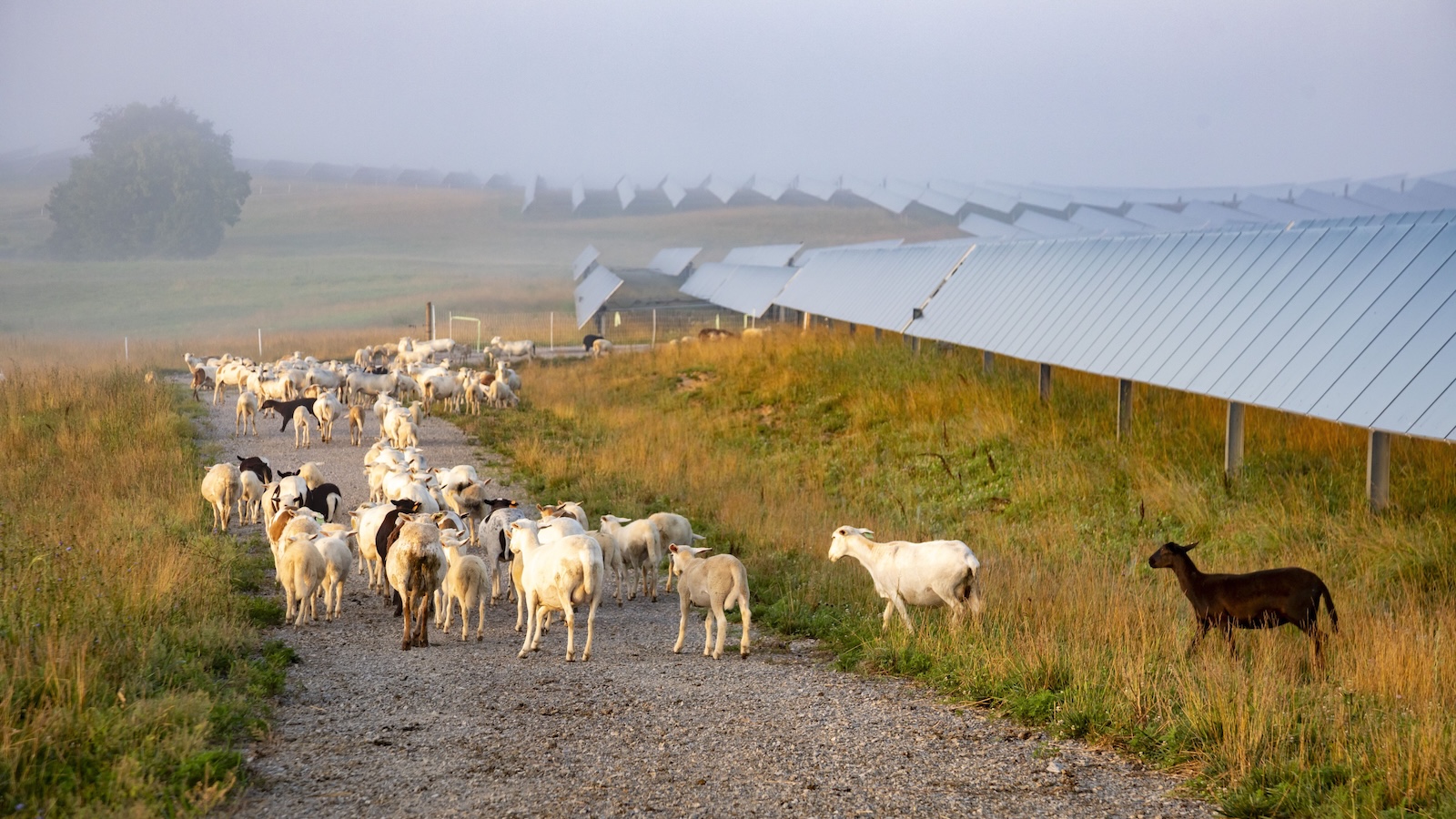
The Department of Agriculture announced modifications to the Rural Energy for America Program, or REAP, that take effect on October 16, rendering solar power projects ineligible for program funding. The changes represent an escalation in the Trump administration’s restrictions on the initiative, which has historically provided financial assistance to farmers and rural businesses seeking to develop renewable energy infrastructure.
Solar installations on agricultural property typically require substantial upfront costs that many farming operations cannot afford given existing profit constraints. The REAP program has enabled farmers to offset these expenses while generating additional revenue through grid-connected systems. Energy cost reduction and potential income from selling excess electricity to the grid have provided meaningful financial relief during a period when agricultural producers face mounting expenses for fertilizer, fuel, labor, and seeds.
The Iowa Farmers Union and other agricultural organizations filed a lawsuit in late September challenging the modifications, arguing that REAP’s original 2008 statutory mandate requires support for renewable energy development. Legal representatives contend the USDA’s current approach violates both the program’s foundational statute and the Administrative Procedure Act. The USDA has framed its actions as protecting cropland from conversion to solar development, while critics maintain that participating farmers voluntarily apply because of demonstrated financial benefits.
The latest rule changes include provisions barring solar and wind projects containing components manufactured by designated foreign adversaries—a provision that effectively eliminates solar development on farms given extensive Chinese manufacturing involvement in the solar supply chain. Additional requirements now mandate that energy systems operate for one year before applicants become eligible for reimbursement, further extending the timeline for receiving financial support. These modifications represent a continuation of policy shifts that began earlier in the administration, including previous grant freezes and voluntary application resubmissions.
Article Attribution | Read More at Article Source
Article summary produced by Claude AI