

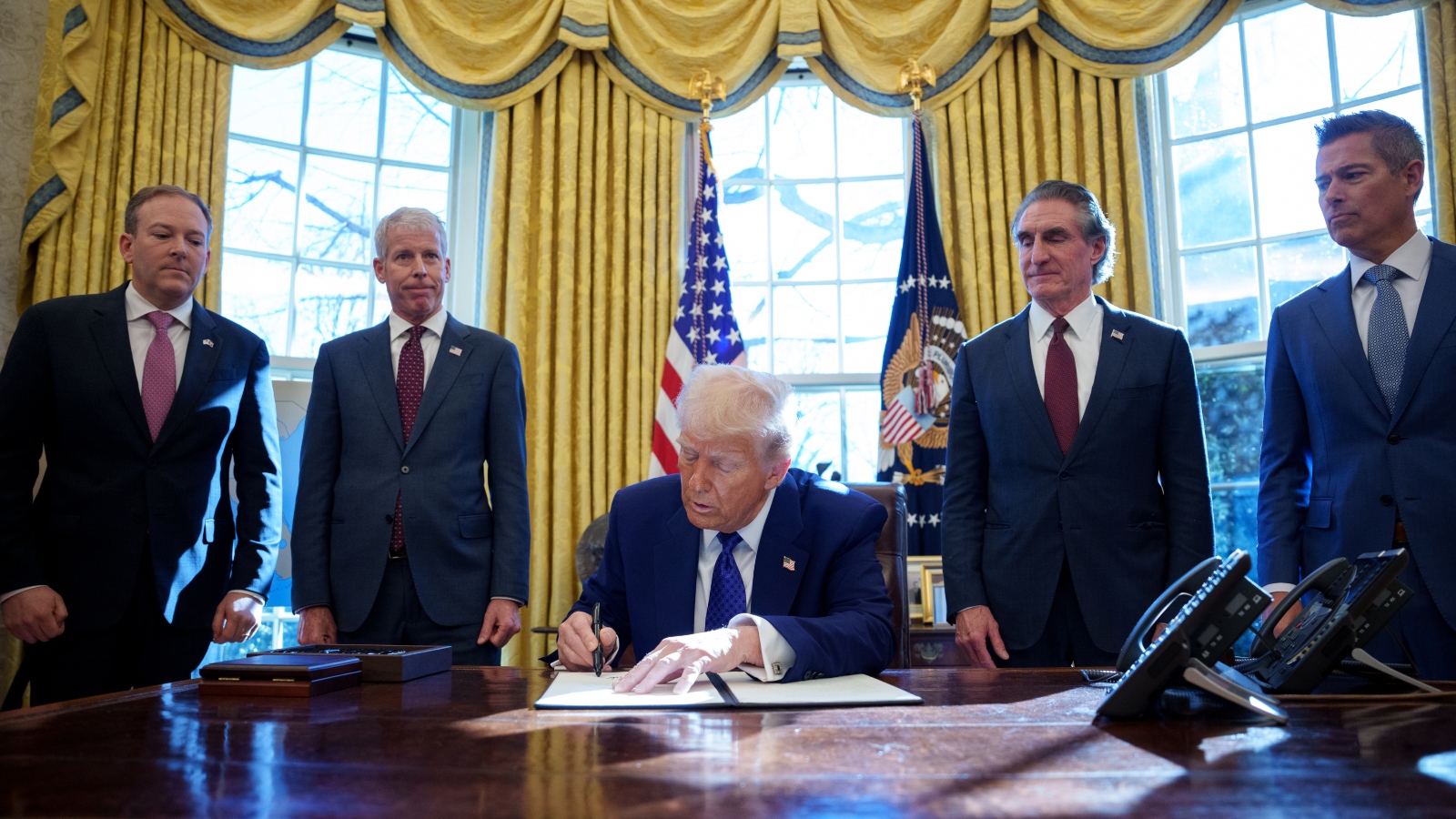
When assuming office, President Trump issued an executive order declaring a national energy emergency, attributing high energy prices to insufficient fossil fuel resources developed under the previous administration. He directed federal agencies to use emergency authorities to accelerate permits for fossil fuel projects and strengthen the electrical grid with additional fossil fuel capacity. However, nearly two years into his second term, the energy situation has evolved in ways that complicate the original rationale for the emergency declaration.
According to economic analysts, the current energy price crisis stems primarily from geopolitical tensions rather than domestic supply inadequacies. Specifically, military conflict has led to the closure of a major shipping strait and damage to refining infrastructure, reducing global supplies of refined fuels like gasoline and diesel. This supply disruption has proven resistant to the executive interventions Trump authorized, as petroleum and electricity markets operate at scales and complexities beyond the reach of individual policy actions.
The emergency declaration has had tangible effects on the power sector, where the Energy Department has issued orders to prevent retirement of coal plants nationwide. These interventions have generated significant costs without reducing consumer prices. In Michigan, maintaining one plant open cost regional ratepayers approximately $300 million on net, while providing minimal power generation. Courts have begun scrutinizing these orders; in September, an appellate court blocked the Department of Energy’s mandate, with judges rejecting the administration’s claims that an energy emergency existed in the region and expressing concerns that such interventions threaten market stability.
Similarly, in the oil and gas sector, the emergency powers were deployed despite U.S. production levels remaining near historical highs. The administration has sought to streamline environmental and procedural approvals for drilling projects and pipeline construction. Legal challenges and continued market conditions suggest that the emergency authorities, while substantively affecting specific projects, have not achieved the stated objective of lowering energy costs for consumers.
Article Attribution | Read More at Article Source
Article summary produced by Claude AI