

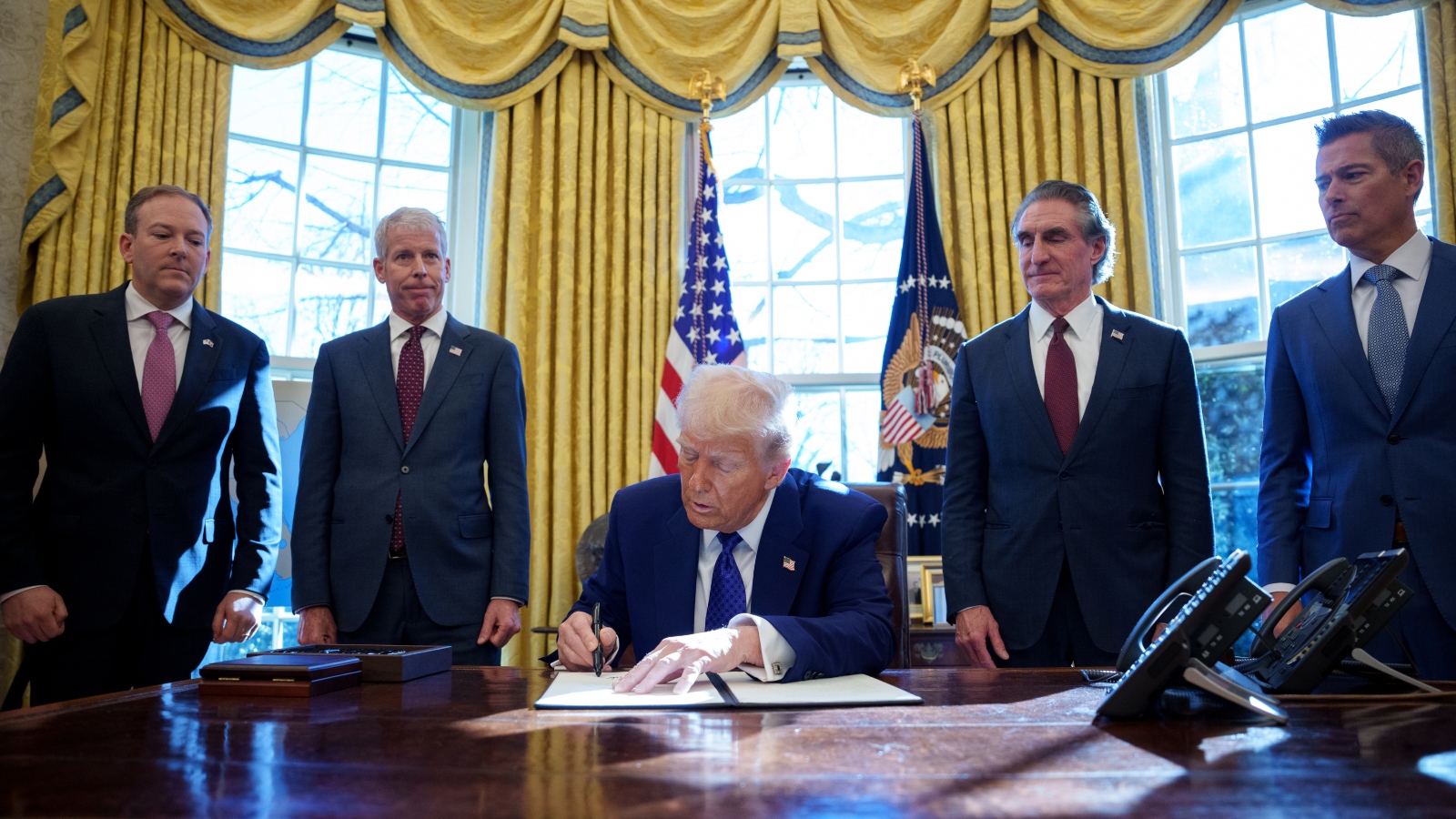
On his first day in office, President Trump issued an executive order declaring a national energy emergency, attributing high energy prices to what he characterized as harmful policies from the previous administration. He sought to use emergency powers to accelerate permits for fossil fuel development and strengthen the power grid through increased fossil fuel resources. However, nearly two years into his second term, the energy crisis facing the nation differs significantly from what he described at the outset.
According to economic analysis, the current high fuel prices stem largely from geopolitical disruptions rather than domestic supply shortages. Specifically, conflict in Iran has led to the closure of the Strait of Hormuz and destruction of oil refineries and fields, constraining the global supply of refined fuels like gasoline and diesel. These supply constraints have proven more severe for refined products than for crude oil, directly impacting consumer costs. Economists have noted that absent a resolution to the underlying conflict, executive branch interventions have limited ability to reduce prices.
The administration applied its emergency declaration powers in two primary areas. First, the Energy Department issued orders to prevent the retirement of coal plants, arguing that grid conditions necessitated preserving all available power capacity. In Michigan, maintaining the J.H. Campbell plant cost regional ratepayers approximately $300 million on a net basis, despite the facility generating significantly less power than historically. Similarly, in Colorado, a utility was directed to continue operating a coal plant requiring substantial maintenance. Legal challenges have begun questioning these interventions, with an appellate court blocking the Department of Energy’s Michigan order in September and questioning the administration’s assertions about regional energy emergencies.
The second application involved oil and gas development. The administration moved to expedite environmental and procedural permits for drilling operations and pipeline construction. However, U.S. oil and natural gas production were already near all-time highs, suggesting no critical shortage existed. This disconnect between claimed emergency conditions and actual market conditions has drawn scrutiny from legal analysts and grid operators alike.
Article Attribution | Read More at Article Source
Article summary produced by Claude AI