

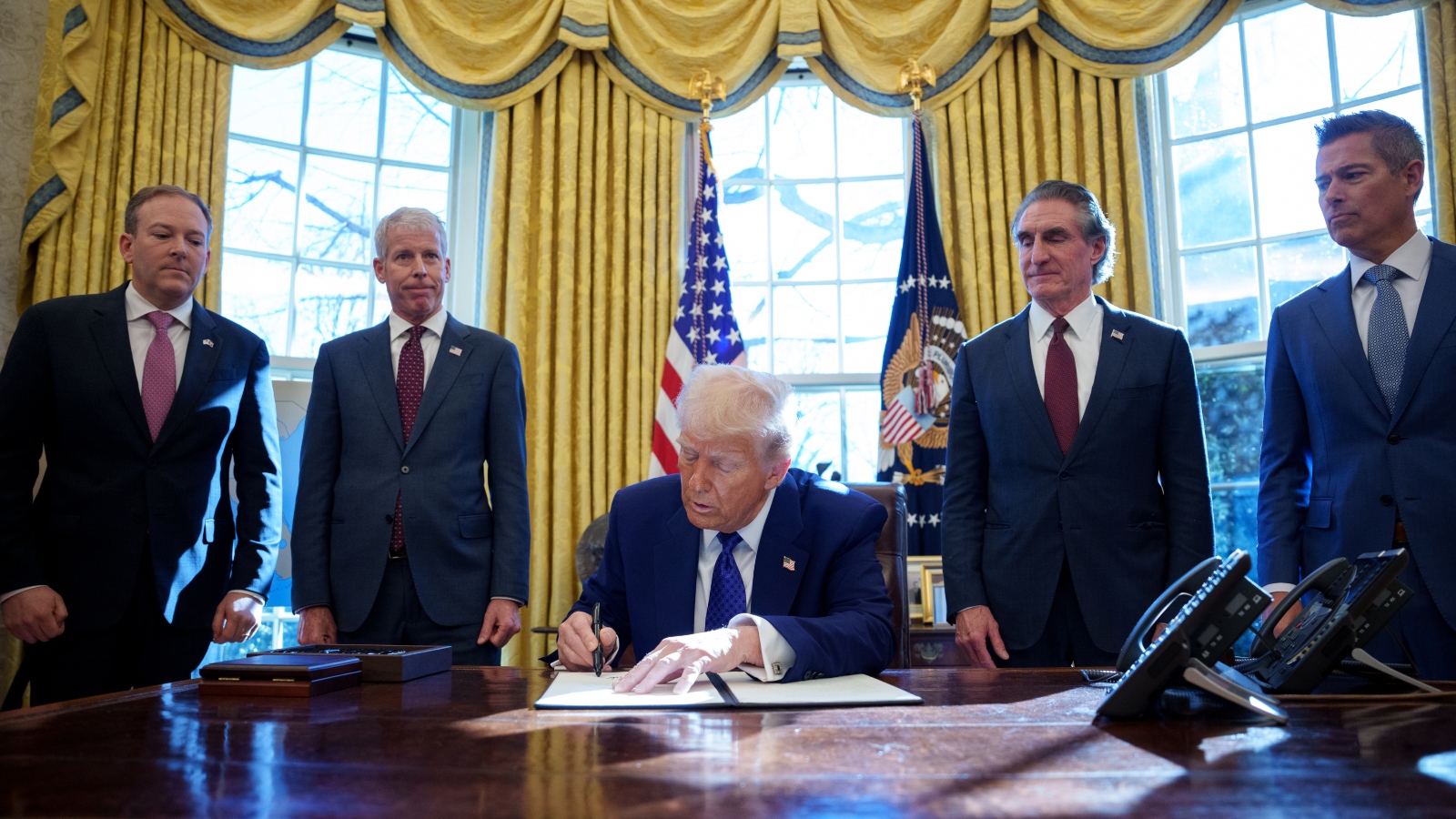
President Trump opened his second term by issuing an executive order declaring a national energy emergency, attributing high energy prices to inadequate resources left by the previous administration. Nearly two years later, the United States faces elevated fuel costs, but the causes differ significantly from those cited in his original declaration.
According to economic analysts, the current energy crisis results primarily from geopolitical tensions. The closure of the Strait of Hormuz and destruction of refineries and oil fields have constrained global supplies of refined fuels like gasoline and diesel. These supply disruptions have had outsized impacts on consumer prices compared to crude oil shortages alone. Economists note that reversing these geopolitical conditions represents the primary pathway to meaningful price relief.
Trump leveraged the emergency declaration to pursue two main policy objectives. On the power grid front, Energy Secretary Chris Wright issued orders preventing the retirement of coal plants, arguing that grid stability required preserving generation capacity. However, these interventions have generated substantial costs without reducing consumer prices. In Michigan, keeping one coal plant operational cost regional ratepayers approximately $300 million net. Many retained plants ranked among the oldest and least efficient facilities in their regions. In September, an appellate court blocked the Energy Department’s coal plant mandate following litigation by Michigan, with the judge questioning whether an actual energy emergency existed and expressing concern about destabilizing market interventions.
In the oil and gas sector, the administration used emergency authorities to expedite drilling projects and pipeline construction. This occurred despite U.S. oil and natural gas production being near all-time highs, indicating no critical shortage. Analysts and legal experts have begun challenging the factual basis for these emergency claims. Despite the sweeping executive powers available through the emergency declaration, fossil fuel price interventions at the federal level have proven insufficient to influence the complex, large-scale markets for petroleum and electricity.
Article Attribution | Read More at Article Source
Article summary produced by Claude AI