

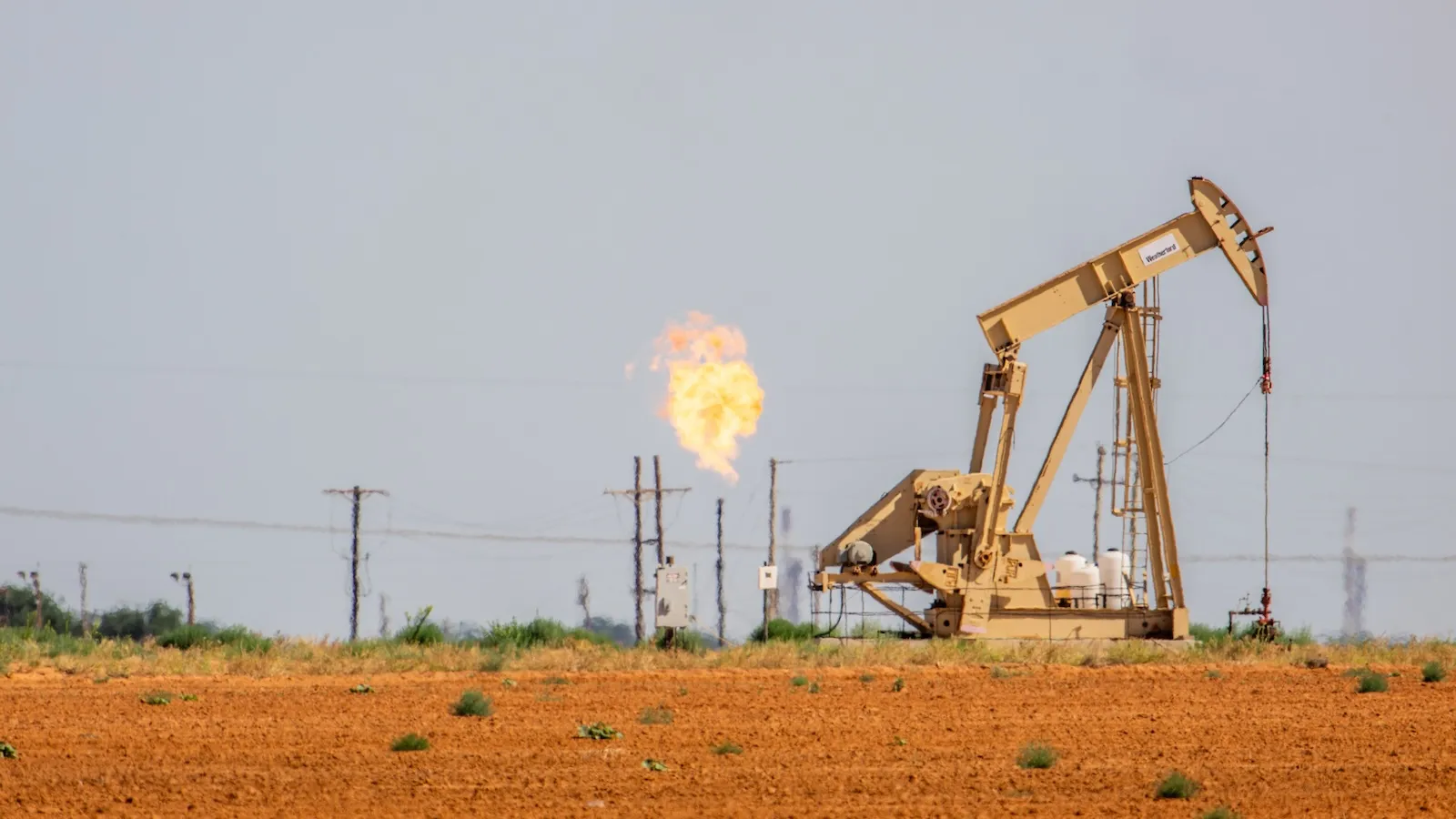
President Donald Trump announced the termination of Biden-era methane regulations during a campaign rally in Texas, framing the decision as a measure to reduce costs and increase energy production. The Environmental Protection Agency’s proposal revises rules that had required oil and gas operators to monitor emissions, inspect infrastructure for leaks, and limit routine flaring practices. Trump stated the changes would save consumers and energy producers $45 billion in costs while unlocking additional natural gas and oil production.
The earlier methane regulation, finalized in late 2023, represented one of the Biden administration’s most significant attempts to reform the oil and gas sector. It required operators to phase out or substantially reduce flaring and to upgrade equipment to prevent methane escape. The EPA had estimated the rule would prevent 58 million tons of methane emissions over 15 years and conserve 400 billion cubic feet of natural gas annually. The revised proposal eliminates the Super Emitter Program, which used satellite technology to identify large leaks, reverses restrictions on flaring, loosens requirements for certain well types, and extends repair timelines from the original standards.
Environmental organizations and public health advocates have expressed concerns about the rollback. Methane comprises approximately 12 percent of U.S. greenhouse gas emissions and is roughly 80 times more effective at warming the planet than carbon dioxide over a 20-year period. Environmental groups contend that weaker restrictions will worsen air quality in communities near oil and gas operations and represent a setback in climate efforts. Policy experts note the previous restrictions were among the strongest globally and positioned the United States as an international leader in addressing methane emissions.
The regulation changes are part of Trump’s broader “energy dominance” agenda, which has included approving drilling permits, expanding land access for fossil fuel development, and withdrawing from international climate agreements. The weakened requirements are expected to particularly benefit operators of low-producing “stripper” wells, which represent 5 percent of domestic oil and gas production but account for more than half of industry emissions. These changes follow other recent EPA reversals of environmental policies, including modifications to carbon emission limits for power plants announced the previous month.
Article Attribution | Read More at Article Source
Article summary produced by Claude AI