

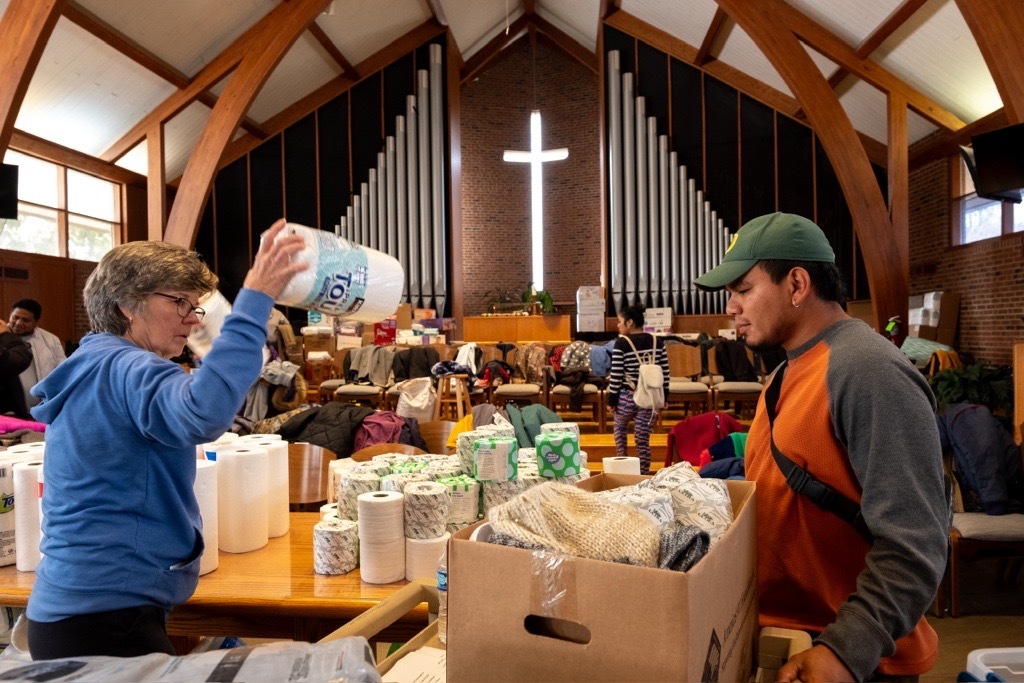
Communities throughout western North Carolina affected by Hurricane Helene are working to transform temporary disaster relief systems into permanent infrastructure designed to enhance resilience against future emergencies. In the immediate aftermath of the hurricane, residents established ad hoc support networks operating from community centers, churches, and fire departments, where they coordinated essential services and supplies. These grassroots efforts are now being formalized into what experts call resilience hubs—community spaces equipped and prepared to serve residents during power outages and other crises.
Cities and organizations are making significant investments in this infrastructure. Asheville allocated $2 million earlier this year to support existing resilience hubs, with the city manager committing up to $10 million for long-term development. Several facilities are being upgraded with backup power systems, including the East Asheville Library, which is installing solar panels. The city’s Asheville Tool Library has become a space for teaching practical skills, while the Old Fort Train Depot hosts planning sessions for emergency preparedness.
A major initiative involves the installation of solar-powered microgrids across the region. Twenty-six microgrids are planned for western North Carolina, with funding from a $5 million grant provided by the state Department of Environmental Quality. The first operational microgrid was recently completed at Beacon of Hope, a facility combining a laundromat, thrift store, and food bank in Marshall. The system includes batteries capable of storing approximately 68 kilowatt-hours of solar power, enabling the facility to maintain operations for at least one day without external power. Twenty-four additional microgrids will serve community centers, food banks, and fire departments, while two mobile units can be deployed where needed.
Beyond physical infrastructure, residents are strengthening communication networks. Amateur radio enthusiasts have formalized weekly check-ins that provide alternative communication channels when cellular and internet systems fail. These radio networks proved valuable during Helene and continue operating as part of the region’s disaster preparedness strategy. Experts and community leaders emphasize that effective resilience depends on building connections and coordinating resources before the next crisis occurs, ensuring communities can support each other more effectively when emergencies strike.
Article Attribution | Read More at Article Source
Article summary produced by Claude AI