

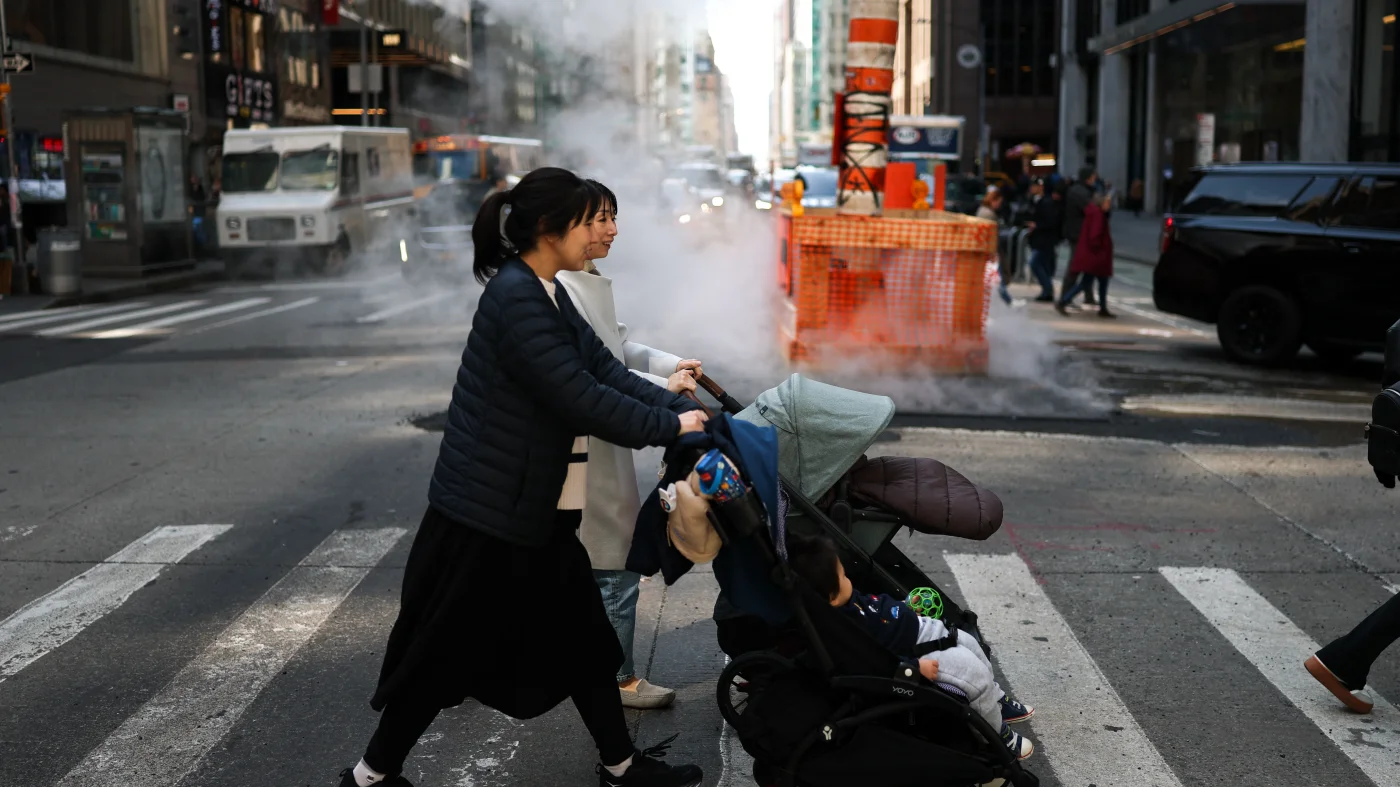
The Centers for Disease Control and Prevention released data showing the overall fertility rate in the United States declined by 1% to a record low in 2025, continuing a two-decade downward trend in childbearing. The decline was particularly pronounced among women in their twenties, with a 6% drop in birth rates for women ages 20-24 and a 7% decline among women in their late teens, according to CDC demographer Brady Hamilton.
Research from the Federal Reserve Bank of Atlanta, released in the previous month, found that women in Generation Z, particularly those in their late teens and twenties, express significantly lower desire for children compared with previous generations of American women. The study identified several contributing factors, including expanded career opportunities for women, rising costs associated with raising children, shifting personal priorities, and concerns regarding maternal health risks.
Countering the overall decline is a notable increase in births among women ages 30-45, reflecting a broader shift in when women choose to become parents. Healthcare professionals report that younger patients increasingly prioritize establishing careers and financial stability before parenthood. This delay in motherhood has prompted some women to pursue reproductive options such as egg freezing to extend their childbearing window.
Experts suggest that economic pressures and insufficient support systems significantly influence reproductive decisions. Researchers note that many women express a desire to have children but feel unable to afford them without access to affordable housing, childcare, and health insurance. As a result of these demographic changes, the U.S. population under age 18 has declined by more than 1 million between 2010 and 2020, with the median age rising to 39.4 years in 2025 and some states experiencing overall population decreases.
Article Attribution | Read More at Article Source
Article summary produced by Claude AI