

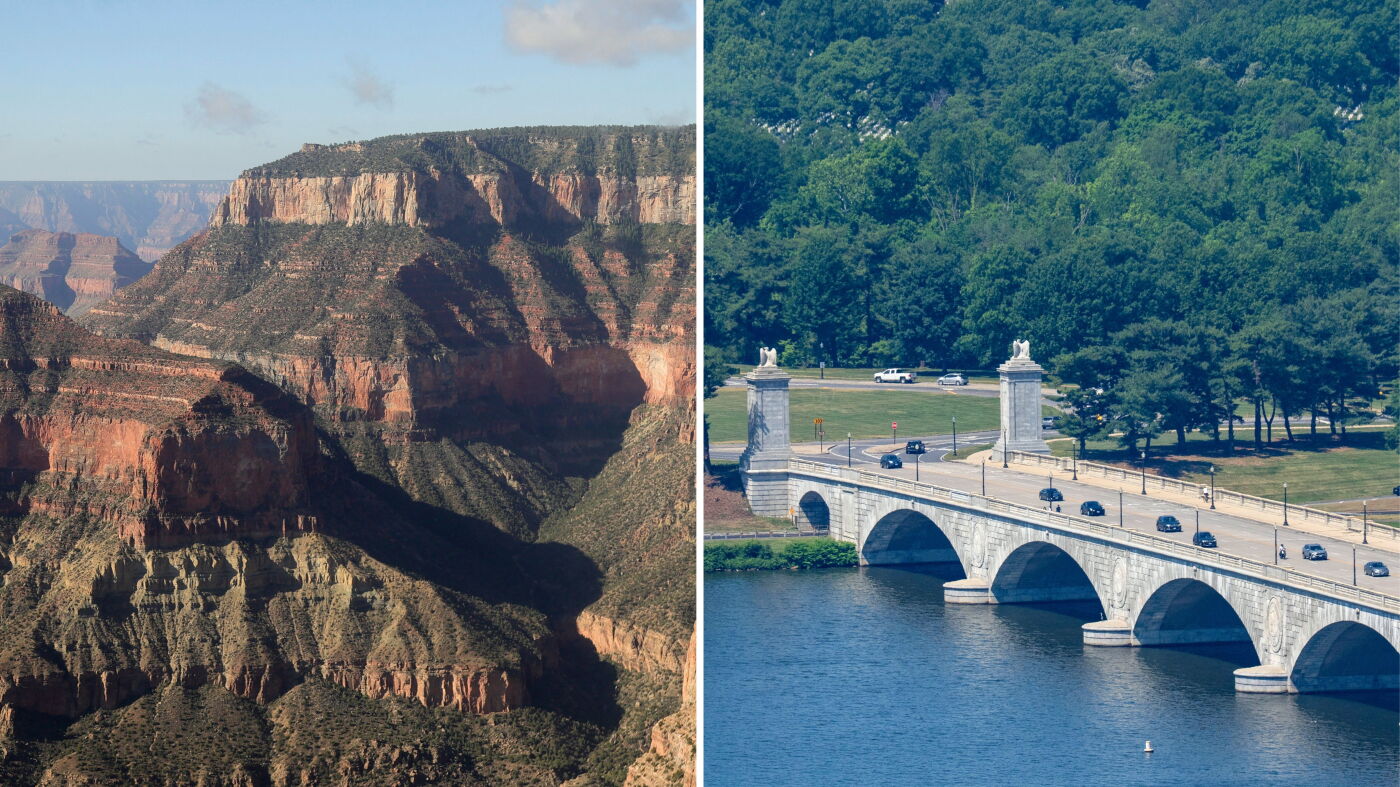
The National Historic Preservation Act, signed into law on October 15, 1966, established a framework for identifying and protecting the nation’s historic landmarks and archaeological sites. The law created the National Register of Historic Places, which now includes more than 100,000 designated locations. A key provision, known as Section 106, requires federal agencies to consult with states, tribes, and other stakeholders before undertaking projects that could damage historic resources.
Now, preservation advocates contend that the law faces its most serious threat since its enactment. A federal council composed of Trump appointees voted earlier this year to weaken Section 106 regulations. Additionally, a bipartisan permitting reform bill under consideration in the Senate would substantially narrow the review process to accelerate infrastructure and energy projects. Preservation leaders argue these changes would effectively eliminate meaningful protections for hundreds of thousands of historic sites across the country.
Preservation experts maintain that the current Section 106 review process functions efficiently without significantly delaying projects. According to the National Trust for Historic Preservation, the average nationwide review takes 16 days, and 98 percent of reviews conclude that projects will have no adverse effect on nearby historic resources. The process has prevented demolition of historic buildings and protected archaeological sites from development.
Opposition to the proposed changes has mobilized quickly. A coalition called Section 106 Strong, which officially launched this week, encompasses 1,000 organizations including religious, environmental, civil rights groups, and Tribal Nations, collectively representing more than 9 million Americans. Tribal leaders have expressed particular concern, noting that Native American tribes only gained a formal seat in the preservation process through amendments in 1992, and the proposed changes would represent a significant setback to tribal voice and consultation in federal projects.
Article Attribution | Read More at Article Source
Article summary produced by Claude AI