

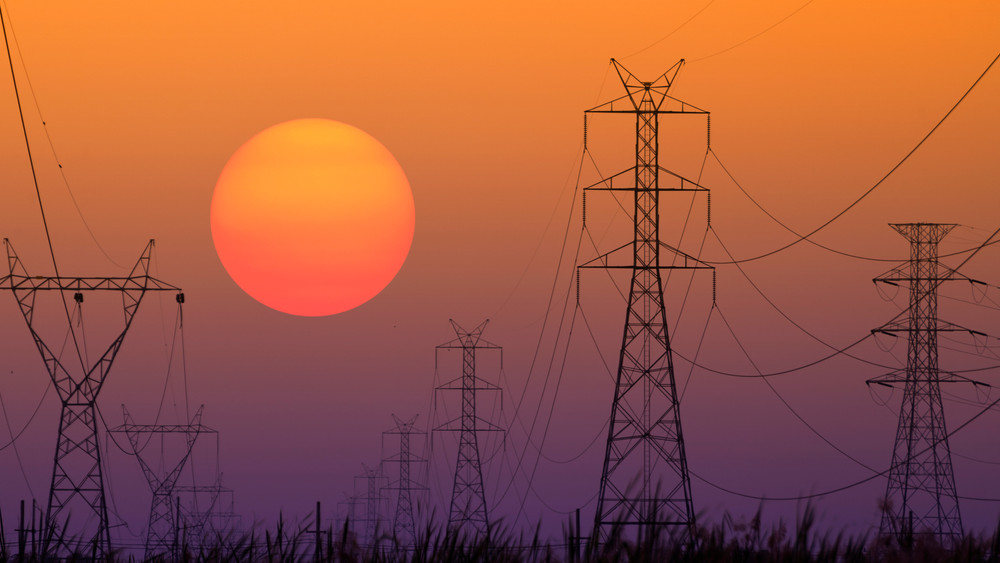
The Department of Defense is preparing contingency plans for potential large-scale power grid failures that could disable critical military infrastructure. The initiative, designated FORTRESS by Pentagon officials, aims to ensure major military installations across the continental United States can function autonomously for at least 90 days without reliance on civilian infrastructure or external supply chains.
The proposed strategy incorporates several technological and logistical components. The Pentagon is investigating portable nuclear reactors, large-scale battery systems, and independent microgrids that would allow bases to sever connections from civilian electrical grids during extended blackouts. Officials have expressed concern that electricity loss could compromise communications systems, logistics operations, weapons production capabilities, and military command and control functions.
Beyond power generation, FORTRESS encompasses broader preparedness measures. The plan calls for accumulating substantial reserves of ammunition, fuel, critical minerals, electronics, replacement parts, and medical supplies. Additionally, the Pentagon intends to establish protocols enabling civilian manufacturing facilities to rapidly shift to wartime production levels if needed. The initiative also includes regular industrial stress tests and mobilization exercises designed to validate readiness, alongside protective measures for military communications and navigation infrastructure against satellite disruptions and GPS jamming techniques.
Department of Defense officials have characterized the initiative as essential given evolving geopolitical conditions. Spokespersons noted that traditional assumptions regarding homeland defense based on geographic isolation are no longer applicable and emphasized that future conflicts may occur across multiple regions simultaneously, disrupting global supply chains. Recent historical incidents have reinforced these concerns, including documented instances of Chinese state-sponsored cyberattacks targeting critical infrastructure and domestic attacks on electrical substations that caused widespread power losses affecting tens of thousands of customers.
Article Attribution | Read More at Article Source
Article summary produced by Claude AI