

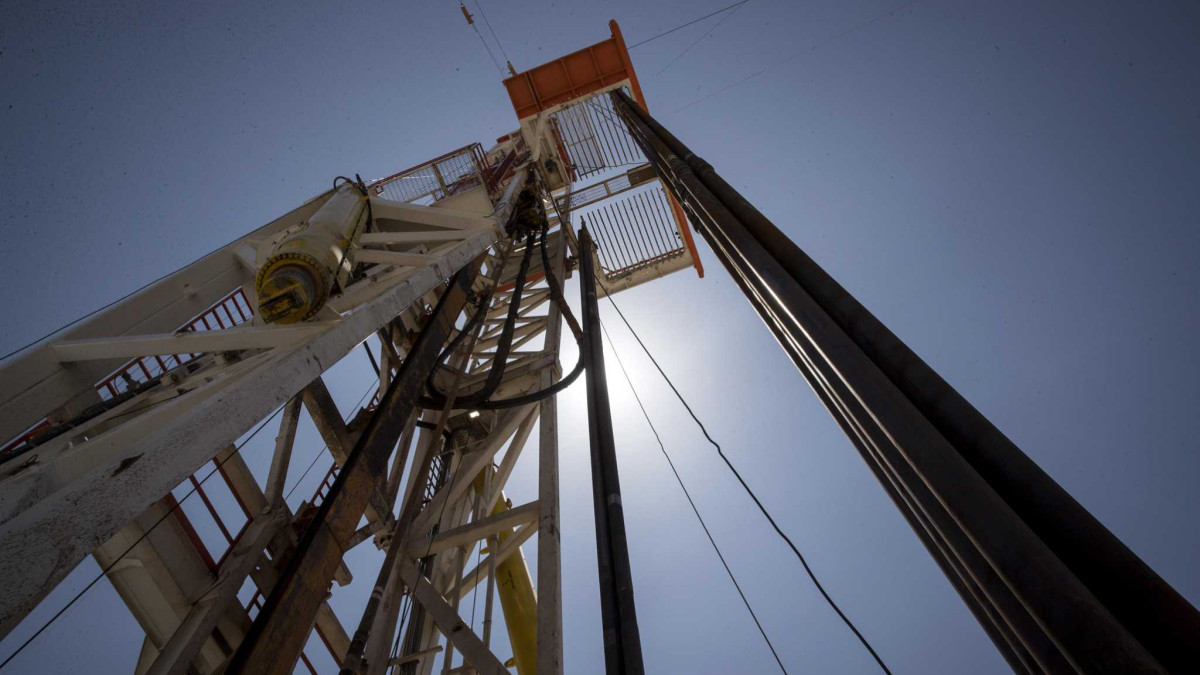
The number of active oil and gas drilling rigs operating in the United States climbed during the latest reporting period, according to data released by Baker Hughes on Friday. The total rig count reached 603 units, representing a year-over-year increase of 56 rigs. Oil-focused drilling operations showed particular strength, with active oil rigs rising by 6 during the week to reach 462, a level 44 rigs above comparable figures from the prior year. Natural gas rig counts declined by 1 to 132 units, though this still represented a 12-rig gain compared to the same period last year, while miscellaneous rigs held steady at 9.
Domestic crude oil production continued its upward trajectory based on the latest data from the Energy Information Administration. During the week ending October 2, average U.S. crude oil production reached 13.979 million barrels per day, up from 13.955 million bpd in the preceding week and representing a substantial 350,000 bpd increase relative to a year earlier. This production growth aligns with broader activity metrics, as the Frac Spread Count—which tracks the number of crews actively completing wells—rose for the fourth consecutive week, reaching 196 crews and posting a 1-crew gain from the prior week.
Regional drilling activity showed mixed performance across major U.S. oil-producing formations. The Permian Basin, the nation’s largest oil field, saw its active rig count increase by 4 to reach 274 rigs, positioning it 24 rigs above year-ago levels. The Eagle Ford formation maintained its active rig count at 49, unchanged from the previous week but up 5 rigs compared to the equivalent period last year.
Commodity markets reflected modest weakness ahead of the data release, with Brent crude trading down 0.42 percent to $103.80 per barrel, though still up $2.70 from the prior week. West Texas Intermediate crude also declined on the day, trading down 0.22 percent to $91.29 per barrel.
Article Attribution | Read More at Article Source
Article summary produced by Claude AI