

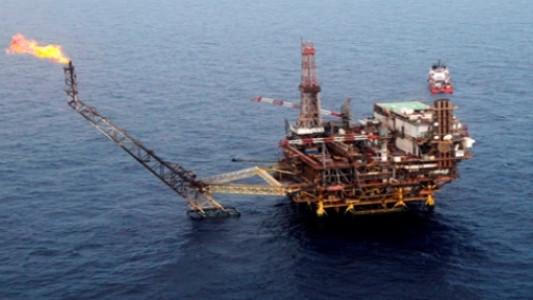
The total count of active oil and gas drilling rigs operating in the United States held steady at 603 during the latest reporting period, according to data published by Baker Hughes on Friday. This represents an increase of 57 rigs compared to the same period last year, signaling continued expansion in drilling activity on an annual basis despite the week-to-week stagnation.
Within the overall rig count, the number of active oil drilling rigs increased by 2 to reach 462, placing current levels 48 rigs above year-ago figures. Meanwhile, the count of gas rigs declined by 2 to 130, which still remains 5 rigs higher than a year earlier. Miscellaneous rigs remained unchanged at 11.
Crude oil production metrics showed improvement during the week ending October 23, with U.S. crude averaging 13.992 million barrels per day according to Energy Information Administration data, up from 13.269 million bpd in the previous week and 348,000 bpd above year-ago levels. However, completion activity showed signs of cooling, as Primary Vision’s Frac Spread Count declined for the second consecutive week, dropping 5 crews to 194. This metric remains elevated at 16 crews above year-over-year comparisons.
Regional rig activity in major shale plays remained relatively stable, with the Permian Basin maintaining 272 active rigs, a gain of 21 compared to the prior year. The Eagle Ford region experienced a slight decline, losing 1 rig to reach 50, though this still represents a 7-rig increase year-over-year.
Commodity markets responded positively to the data release, with Brent crude trading up 2.35 percent to $117.58 per barrel, marking a $1 increase from the previous week. West Texas Intermediate similarly gained 2.09 percent to $104.13 per barrel, up approximately $1.50 from week-ago levels.
Article Attribution | Read More at Article Source
Article summary produced by Claude AI