

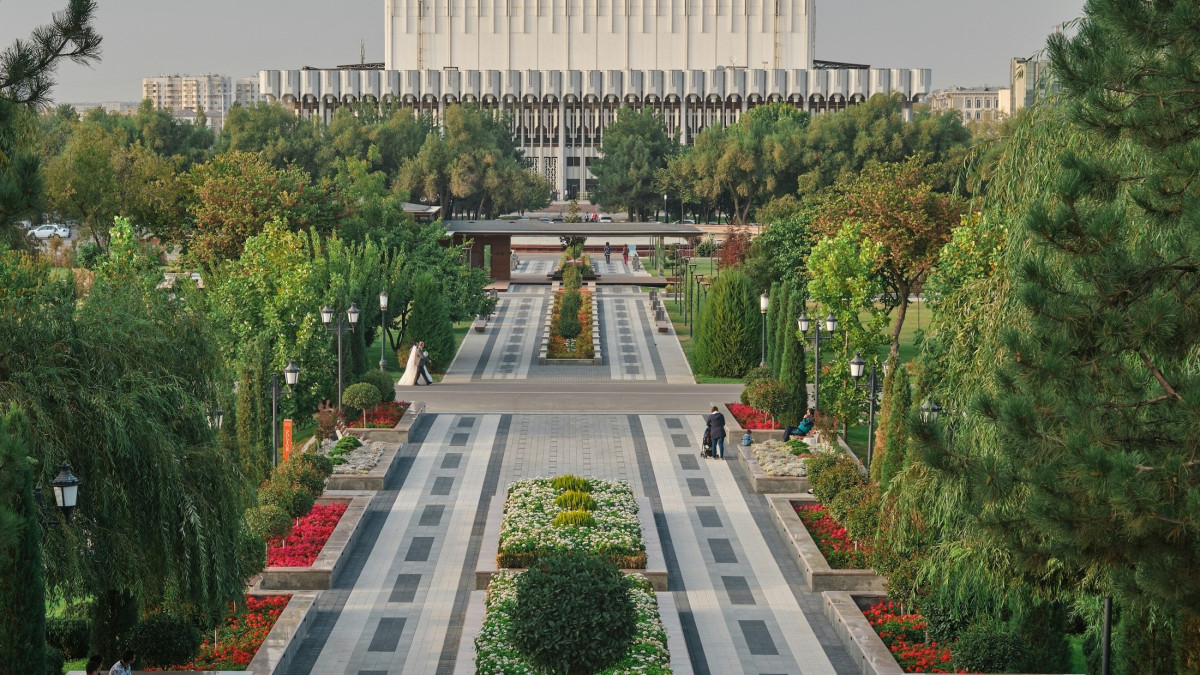
U.S. Secretary of State Marco Rubio is scheduled to meet with foreign ministers from Kazakhstan, Kyrgyzstan, Tajikistan, Turkmenistan, and Uzbekistan in Samarkand on 19 October 2026. The delegation will include representatives from more than 100 American companies, signaling Washington’s intention to translate previous political commitments into concrete commercial projects. The gathering represents a continuation of the C5+1 framework, which was established in 2015 as a mechanism for coordinating U.S. engagement with the five Central Asian republics across economics, energy, and security matters.
Central Asia’s abundant deposits of strategic minerals including tungsten, uranium, rare earths, and copper are a focal point for the discussions. Key questions center on project financing, geological data sharing, and the location of mineral processing activities. The region’s republics have expressed interest in developing value-added production rather than exporting raw materials, though water scarcity may constrain processing operations. Trade corridor development is another priority, with particular attention to the Trans-Caspian International Transport Route as an alternative to existing supply chains through Russia. Infrastructure improvements in port capacity, rail interoperability, and customs procedures require attention to realize this potential.
Energy security and water management dominate the agenda given their interconnected nature and regional significance. Central Asia possesses substantial hydropower, solar, wind, and natural gas resources, but aging infrastructure and winter supply vulnerabilities require modernization. Water scarcity presents acute challenges, as upstream states seek hydropower development while downstream regions depend on irrigation flows. The region faces a financing gap exceeding $12 billion by 2030 for water and sanitation infrastructure upgrades.
American companies will seek assurances regarding regulatory stability, contract enforcement, currency convertibility, and tax treatment. Washington plans to leverage financing tools through the International Development Finance Corporation and Export-Import Bank to facilitate deals. The delegates must also navigate sensitive geopolitical considerations, including the republics’ pragmatic engagement with the Taliban, existing trade with Iran, and embedded Russian and Chinese influence through infrastructure, labor migration, and security arrangements. Success depends on Washington positioning itself as offering reliable partnership options while respecting each state’s sovereignty rather than demanding alignment with U.S. strategic interests.
Article Attribution | Read More at Article Source
Article summary produced by Claude AI