

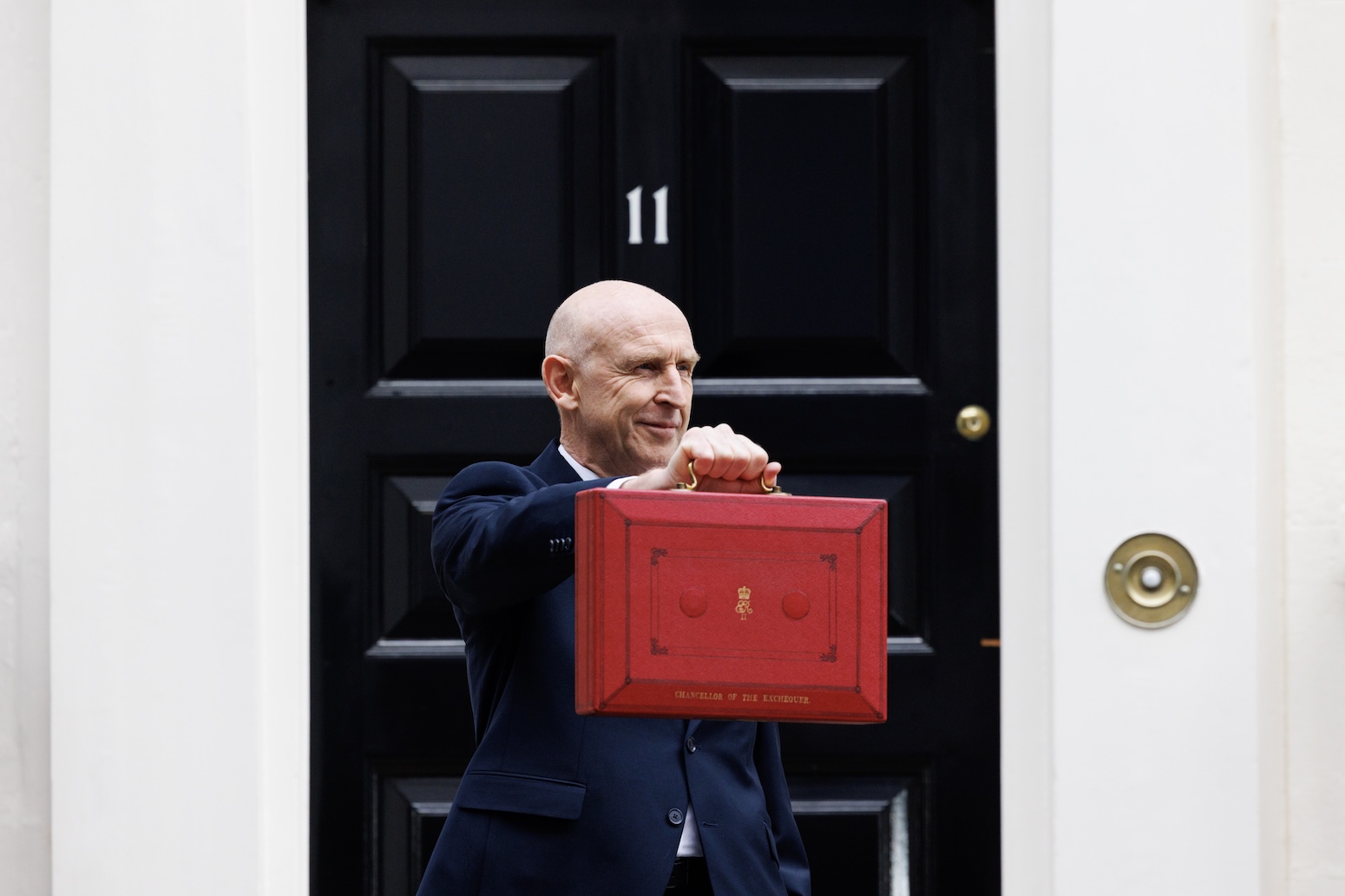
Chancellor John Healey unveiled the government’s first budget, framing energy policy around keeping bills low in response to global market disruptions stemming from Middle East conflicts. The administration reaffirmed its commitment to net-zero targets by 2050 and emphasized that clean power expansion remains central to cost reduction goals. However, the budget includes significant reductions in climate-related spending, cutting £1bn from the warm homes program and £700m from hydrogen and carbon capture and storage initiatives to allocate resources toward defense spending.
The budget addresses immediate household energy pressures through several measures, including a £100 council-tax rebate for English households in bands A-D and removal of the gas standing charge. The government extended a temporary VAT exemption on household electricity bills by three months through July 2027. However, these measures fell considerably short of proposals from industry bodies, charities, and energy companies ahead of the budget announcement. According to forecasts, energy bills may increase by approximately £470 annually to around £2,200 per year for January 2027, prompting expectations that further government support may be necessary.
Longer-term reforms outlined in the budget include a comprehensive cost-control framework scheduled for implementation at the spending review in 2027, which will establish budgets for energy cost components and policy expenses. The government committed to procuring only clean-power projects that demonstrably lower bills and connect easily to existing grid infrastructure. Meanwhile, funding for low-carbon hydrogen projects will shift from a consumer levy on gas bills to general taxation, placing costs on government budgets rather than consumers.
The administration also welcomed recent approval of the Jackdaw gasfield as a pragmatic energy security decision, while the budget documentation assumes approval of the Rosebank oilfield. The Office for Budget Responsibility noted that fossil-fuel prices rose 83 percent in the year through September 2026, reinforcing government emphasis on expanding clean energy capacity to reduce long-term energy costs and enhance security.
Article Attribution | Read More at Article Source
Article summary produced by Claude AI